What You’ll Find Here?
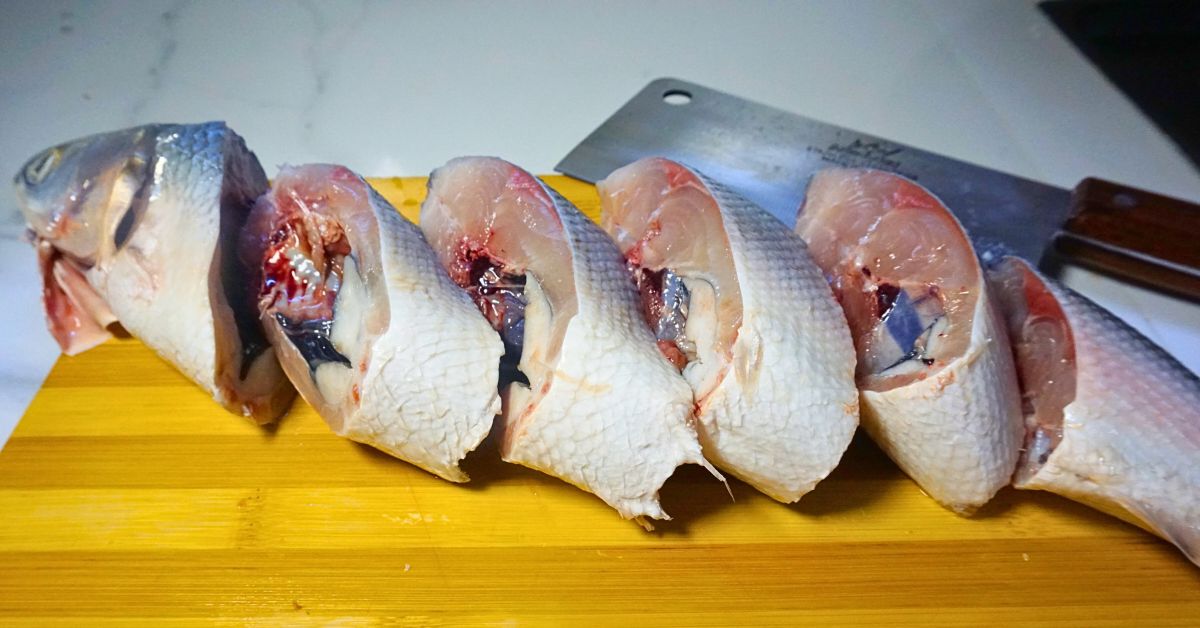
Cleaning bangus might look tricky with all those tiny bones and scales, but once you get the hang of it, it’s actually simple and satisfying. As someone who loves cooking fresh fish dishes at home, I’ve learned that the secret to delicious bangus starts even before the pan or grill, it starts with proper cleaning.
Let me walk you through the exact steps I use so you can prepare bangus for frying, grilling, or making your favorite Filipino recipes.
What Is Bangus?
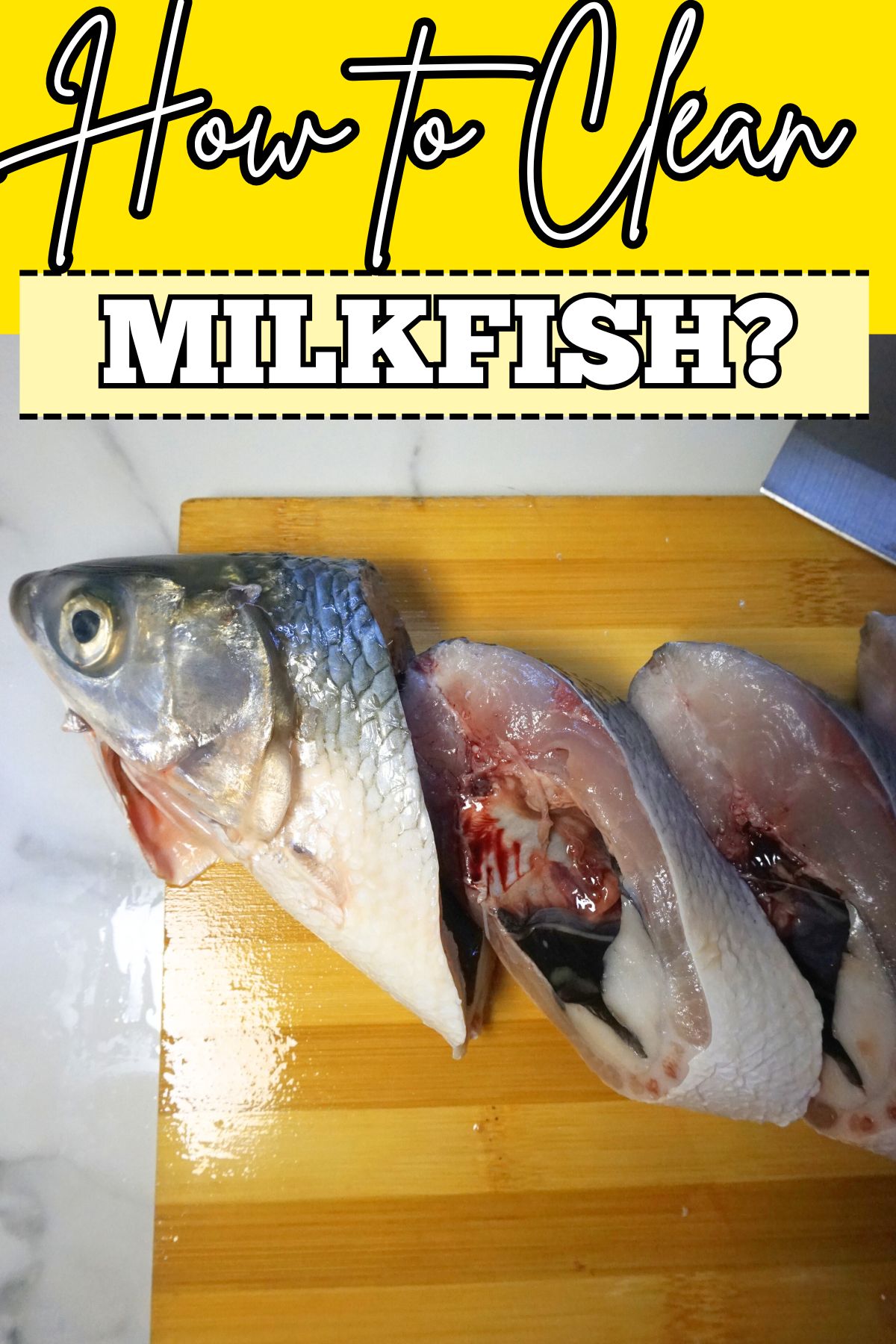
Bangus, or milkfish, is the national fish of the Philippines. It has tender, slightly sweet meat that’s perfect for many dishes like daing na bangus, sinigang na bangus, and bangus sisig. The only challenge? Cleaning it properly so you remove the scales, guts, and unwanted smell while keeping the meat intact.
Why Cleaning Bangus Properly Matters?
A well-cleaned bangus not only looks better but also tastes fresher. Removing the innards and cleaning it thoroughly helps avoid any bitter taste and that strong “fishy” smell. It also makes marinating and cooking easier, allowing the flavors to soak in.
Tools You’ll Need
- A sharp kitchen knife
- Fish scaler (or the back of a spoon)
- Cutting board
- Clean running water
- Bowl for the guts and scales
Step-by-Step Guide on How to Clean Bangus
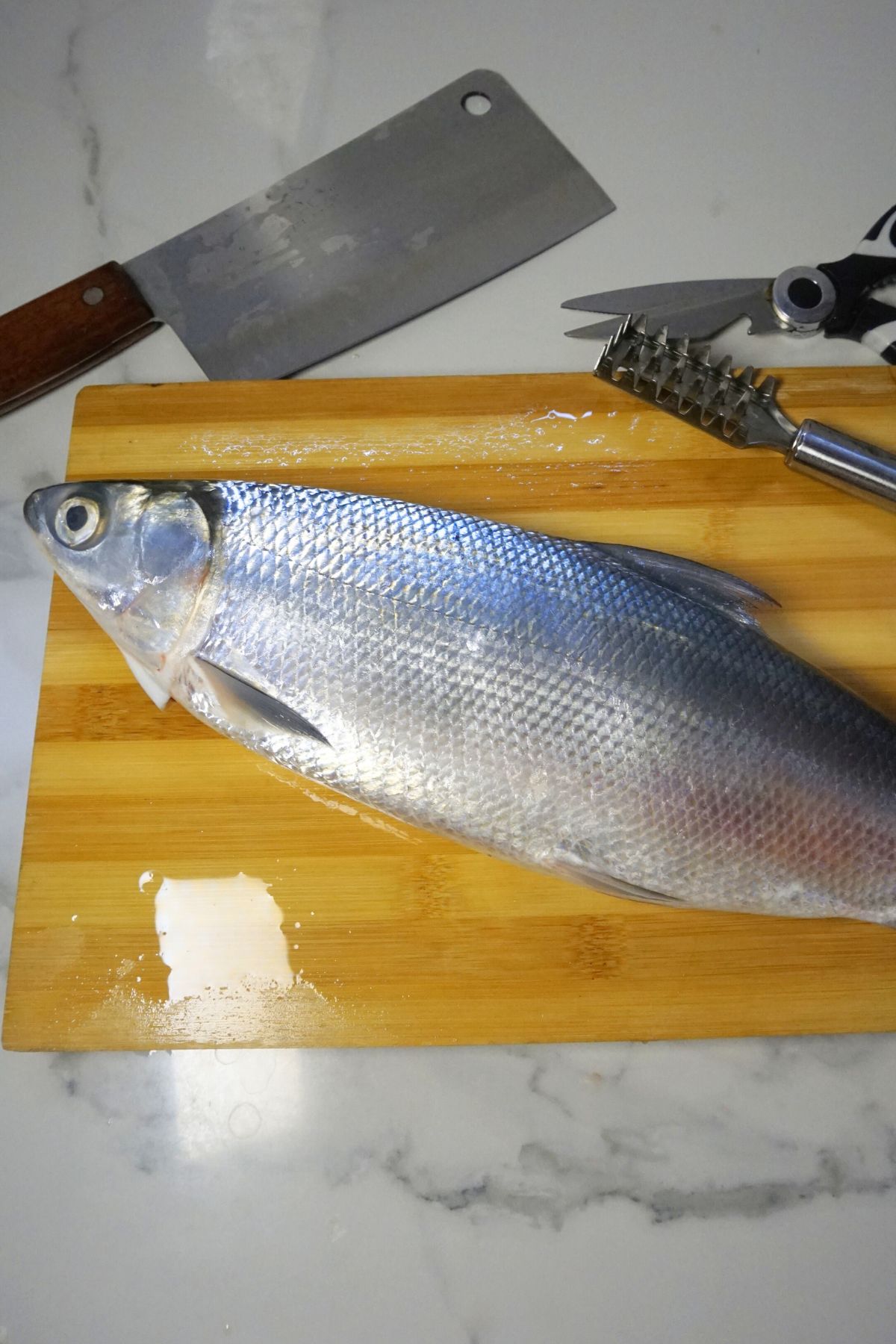
1.Rinse the Bangus (Milkfish)
Hold the fish under cold running water to wash away dirt and slime. This makes scaling easier.
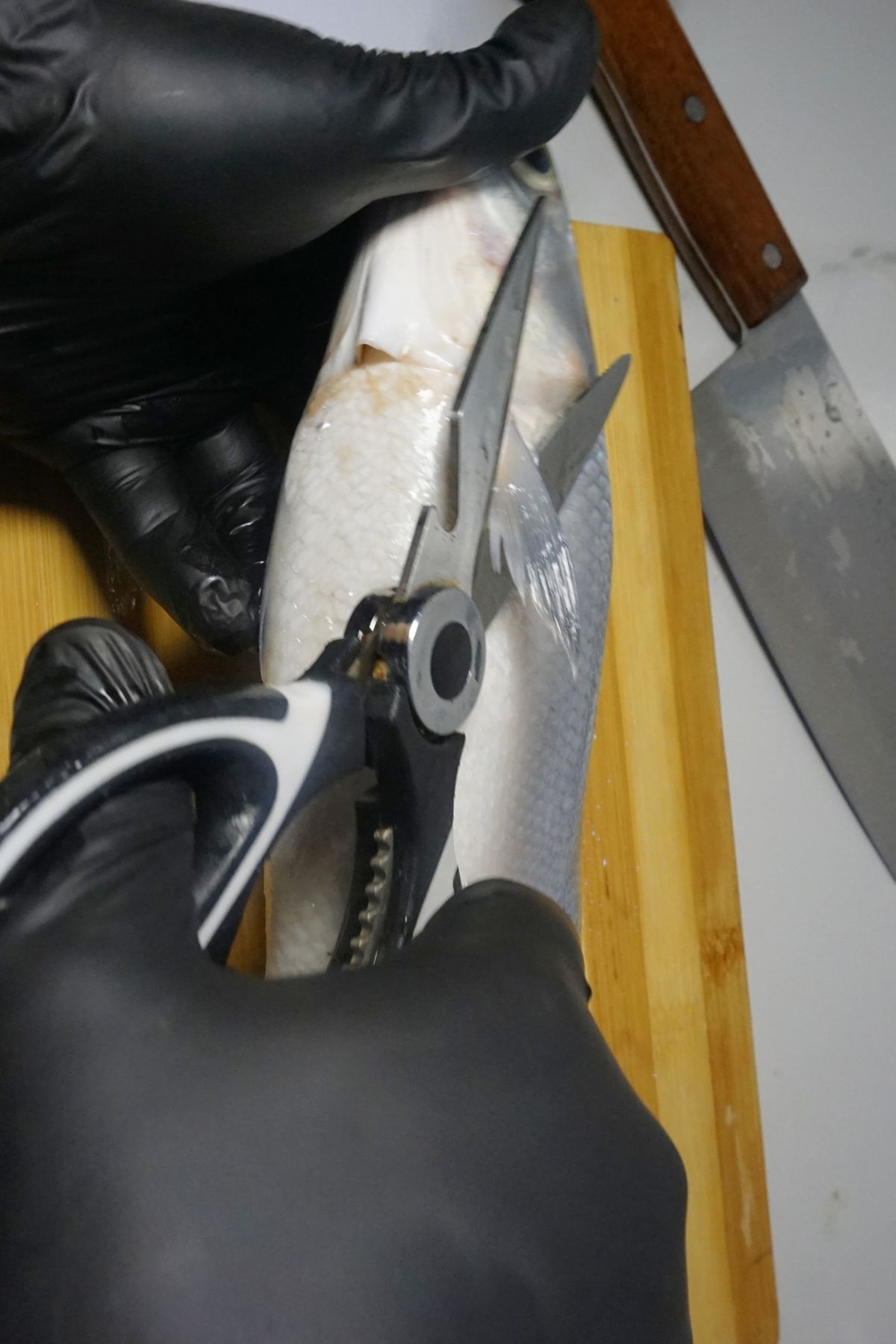
2. Trim the Fins
Use scissors or a knife to cut off the sharp fins near the back, belly, and tail. These can poke your fingers while cooking or eating, so better remove them now.
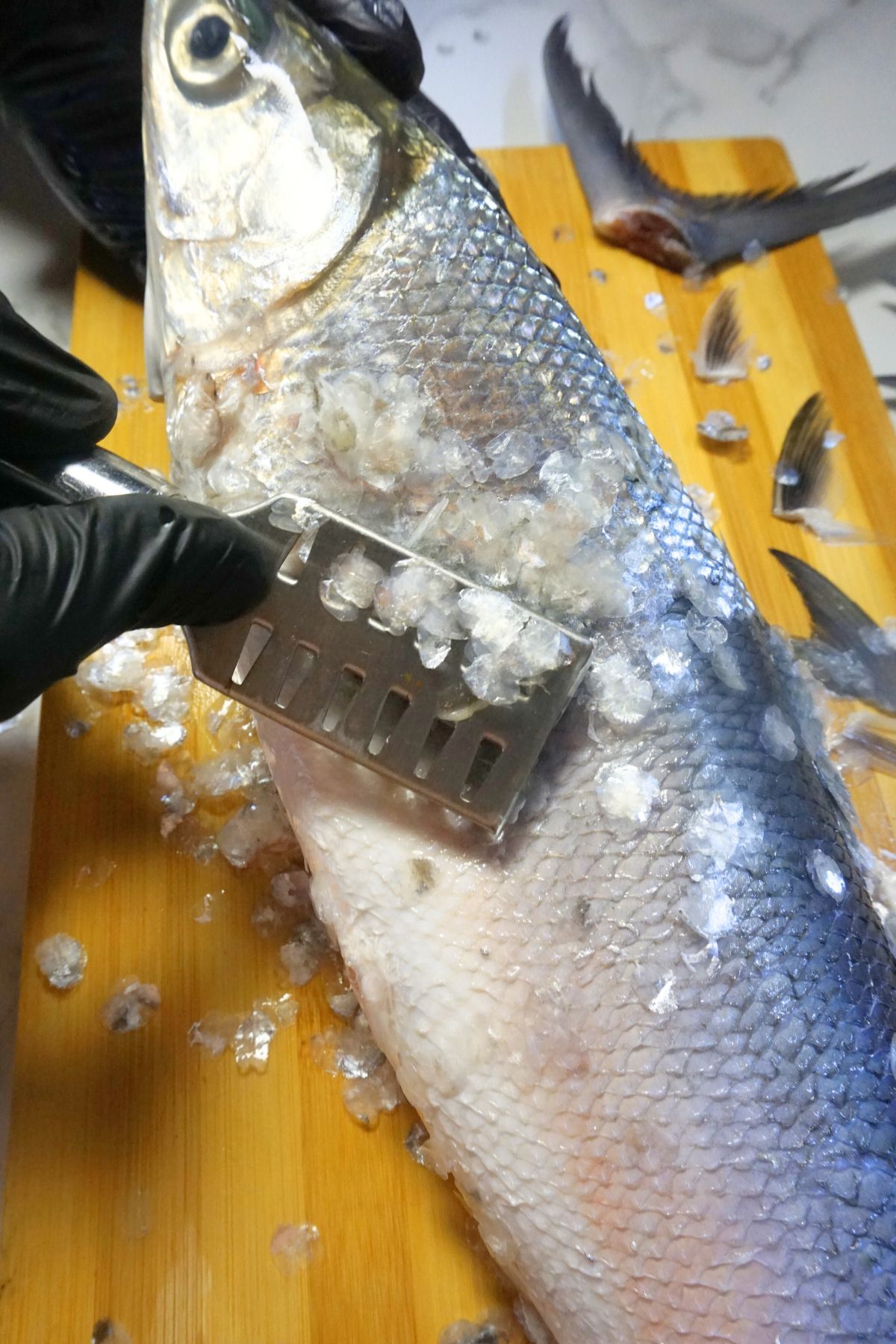
3. Remove the Scales
Using a fish scaler or the back of a knife, scrape from the tail toward the head. Do this on both sides until all the scales are gone. Rinse the fish again to wash off loose scales.
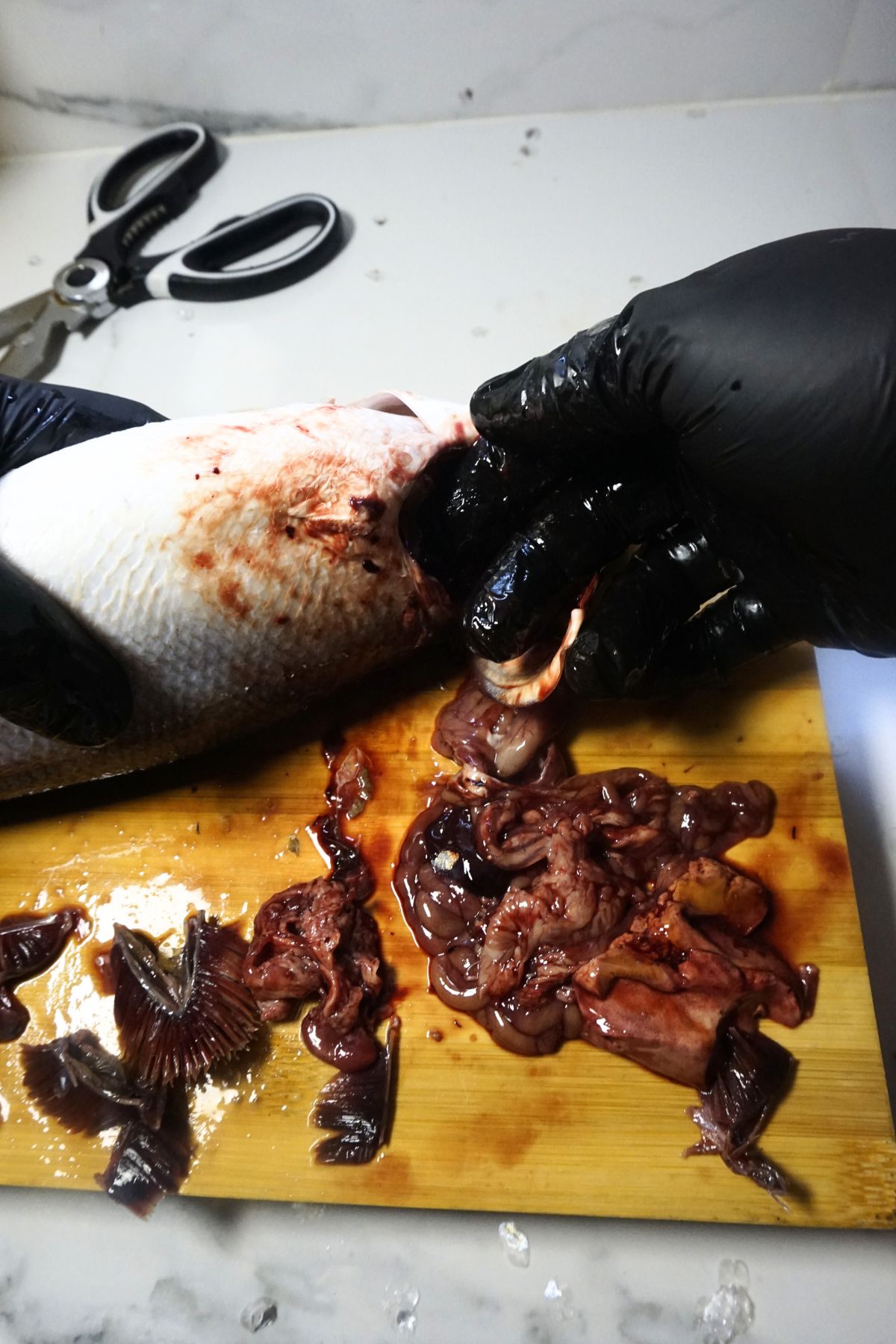
4. Remove the Gut Through the Gills
Hold the bangus firmly. Insert your fingers or the tip of a spoon through the gill opening and gently pull out the gut. Slightly press along the belly to push the remaining innards through the gills. This method keeps the belly skin intact and avoids cutting the fish open.
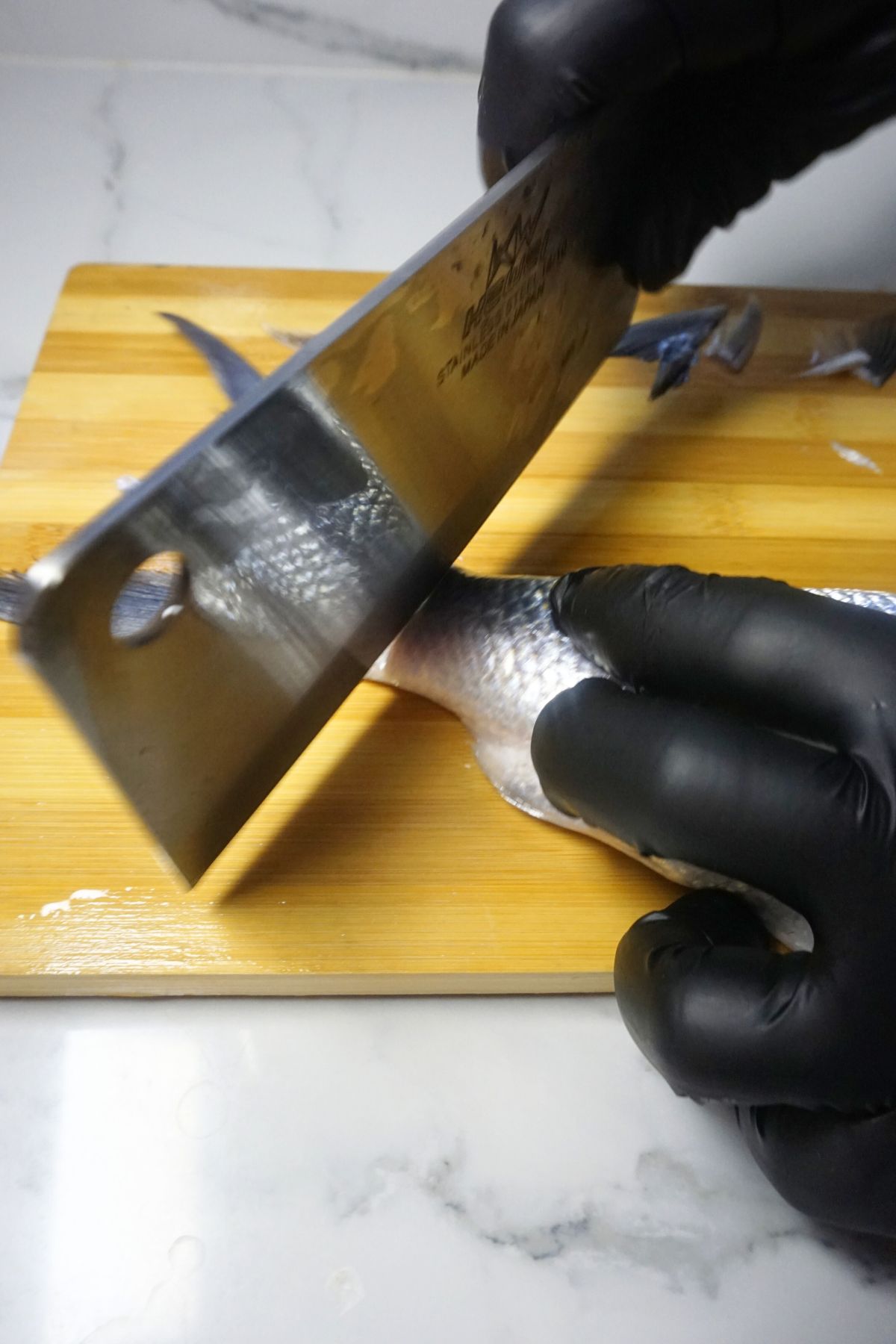
5.Cut the Tail
Using your knife, cut off the tail of the bangus. This is optional, but removing the tail gives the fish a cleaner look and makes it fit better in a frying pan or grill.
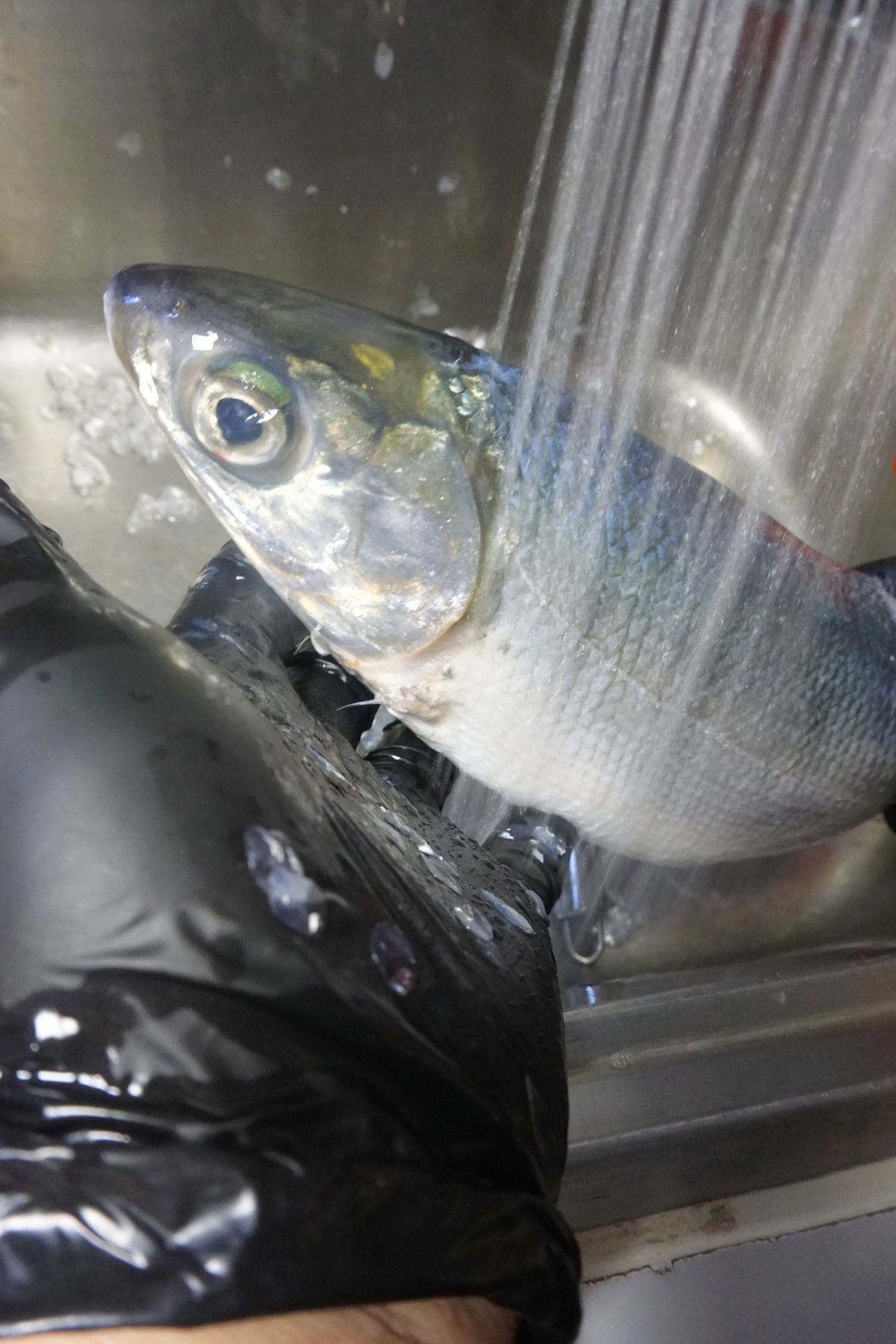
6. Clean the Inside Thoroughly
Under cold water, rinse the inside of the fish through the gill opening and belly area. Make sure to remove any remaining blood or dark membranes along the backbone — these can cause a bitter taste if left.
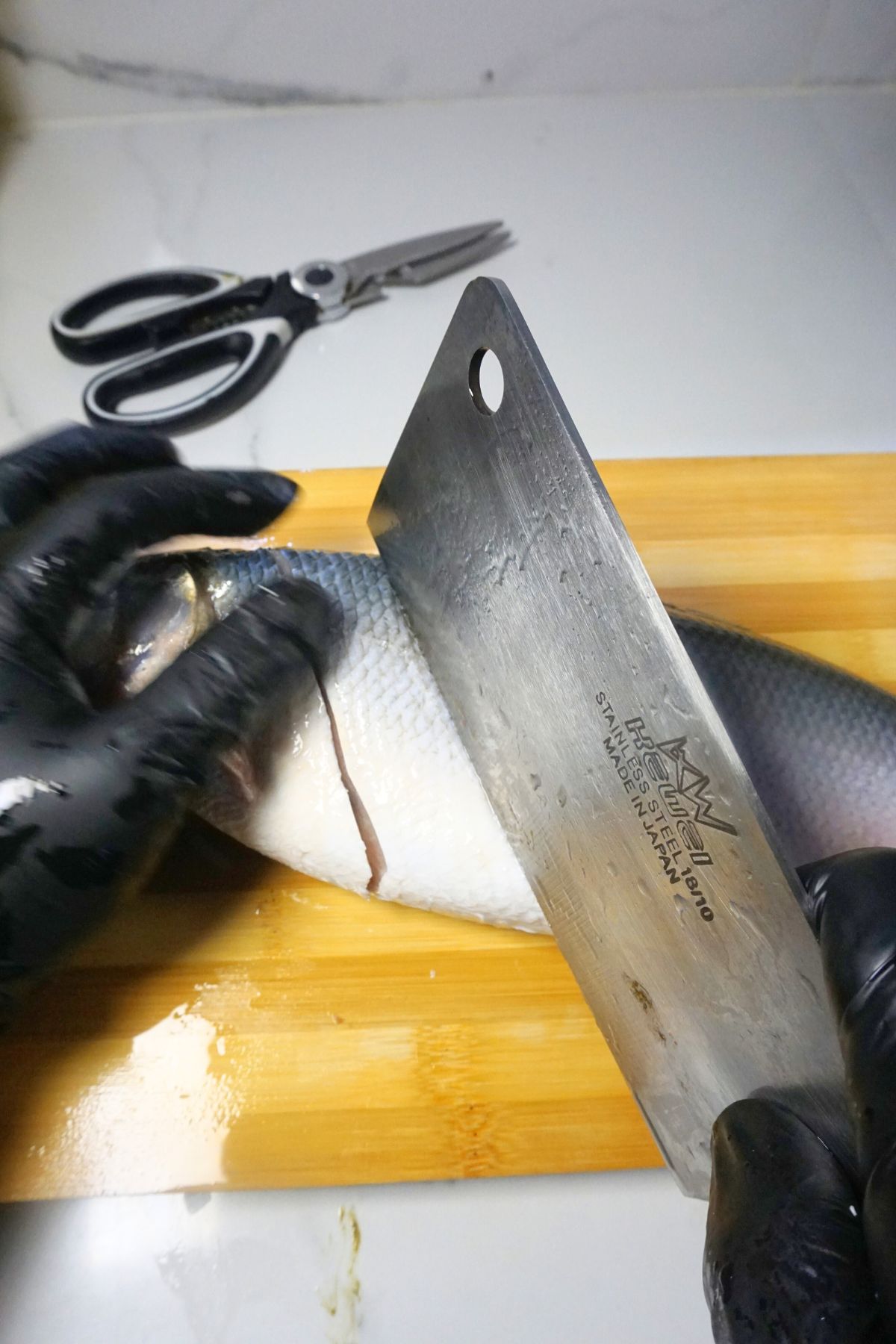
7. Slice the Bangus (Optional)
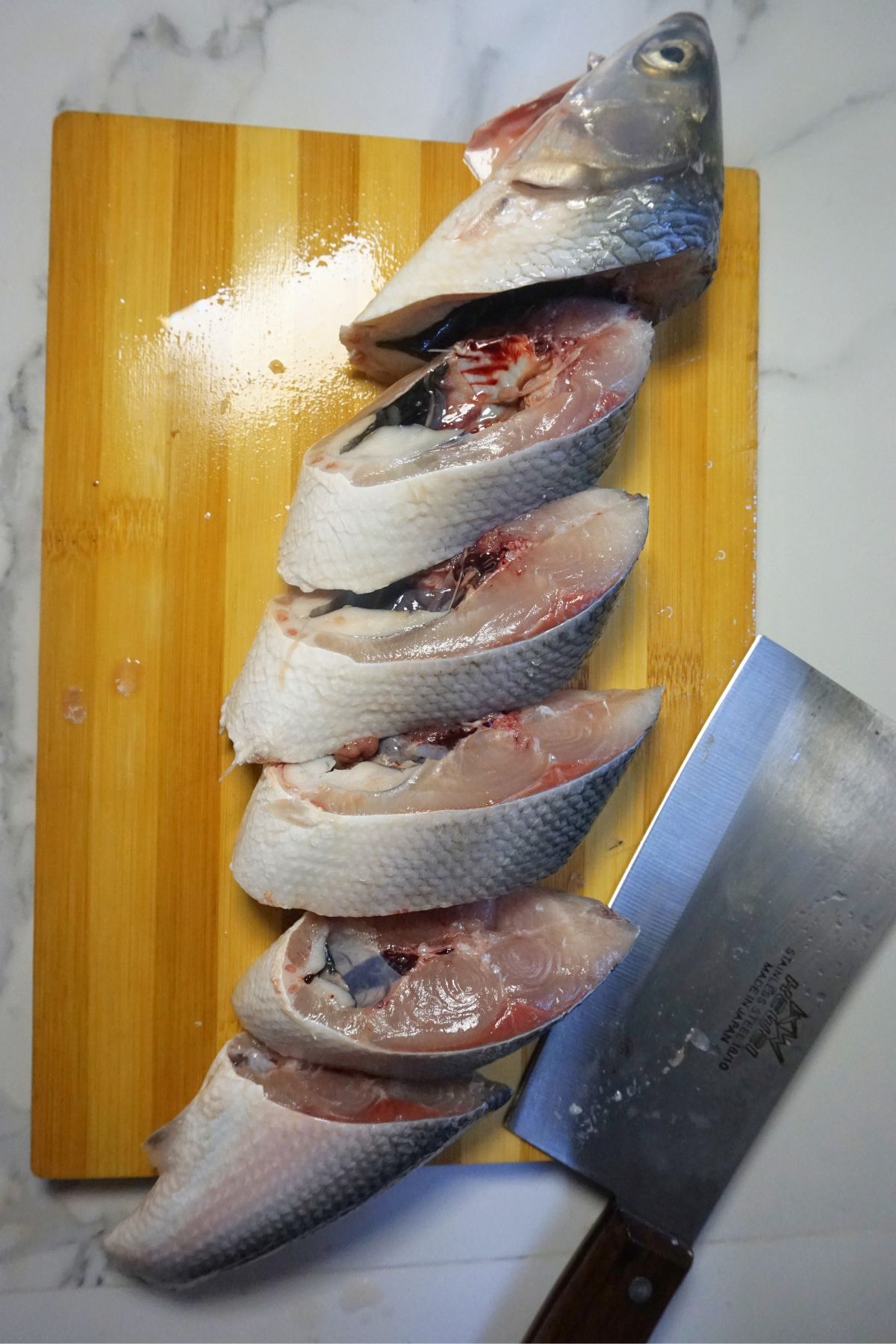
If you plan to fry, grill, or marinate in portions, slice the bangus into serving pieces. Keep the cuts even so they cook evenly.
Frequently Asked Questions
Yes, tilapia needs to be descaled. The scales are tough and not pleasant to eat, especially when frying or grilling the fish. Use the back of a knife or a fish scaler and scrape from the tail toward the head until all the scales are gone.
Yes, you can rinse fish with a bit of vinegar and water. It helps remove any fishy smell and can slightly tighten the flesh. Just don’t soak it too long—about 5 minutes is enough before rinsing with clean water.
If your tilapia has a muddy or dirty taste, it might be because it came from a pond with poor water quality. That earthy flavor comes from a compound called geosmin found in some algae. You can reduce the taste by soaking the fish in milk or vinegar before cooking.
Spoiled tilapia usually smells very fishy or sour. The flesh may look dull, slimy, or sticky to the touch. Fresh tilapia should smell clean, not have a strong odor, and the eyes (if whole) should be clear and not sunken.
Tips for Easier Bangus Cleaning
- Work with cold water to keep the fish fresh while handling.
- Use a sharp knife to avoid tearing the skin.
- Remove the gills if you want a cleaner, less fishy taste.
- Soak in vinegar and water for 10 minutes before cooking to reduce odor.
How to Store Cleaned Bangus
If not cooking right away, place the cleaned bangus in an airtight container or wrap in cling film. Keep it in the fridge for up to 2 days, or freeze for longer storage.
Done cleaning your fish?
Try these fish recipes that are just as tasty and easy to cook:
Sarciadong Tilapia – Crispy fried tilapia simmered in a flavorful tomato and egg sauce.
Daing na Bangus – Marinated milkfish fried until golden and crispy. Perfect with suka and garlic rice.
Paksiw na Bangus – A tangy and savory dish cooked in vinegar, garlic, and peppercorns. Comfort food at its finest.
Bangus with Tausi – Milkfish in black bean sauce, giving it that salty-sweet flavor that pairs so well with rice.
Related posts:
 How to Clean a Fish (Step-by-Step for Beginners!)
  How to Clean Galunggong (Round Scad) the Easy Way
  How to Clean Squid the Easy Way
  How to Know if Fish is Fresh Before You Buy
  10 Best Cooking Tips for Beginners
  Cooking Measurement Converter
  Dos and Don’ts in the Kitchen – Safety Tips That You Should Never Forget
  10 Basic Cooking Skills That Will Help You Create The Best Family Meal Ever!