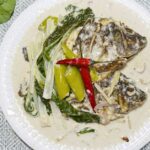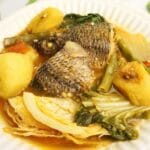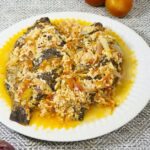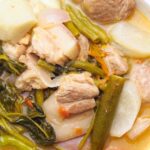

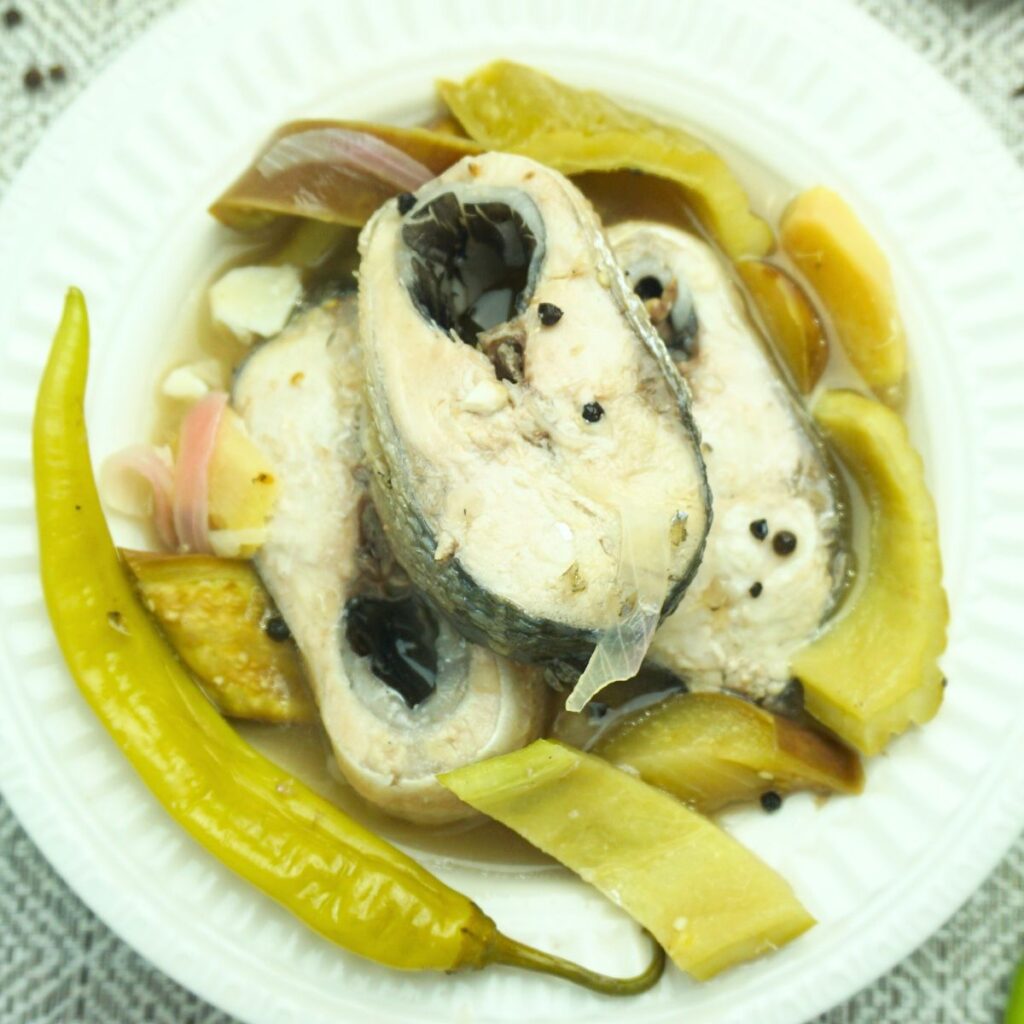
I’ve never been a huge fan of tangy dishes, but paksiw na bangus just hits differently.
There’s something special about how the milkfish blends with the vinegar.
It’s simple, comforting, and packed with flavor. No need for fancy ingredients.
Back in the day, paksiw was often cooked in a clay pot, which added even more depth to the dish.
Honestly, I think it tastes even better the next day. Reheated and served with garlic rice? Sure, it’s a few extra calories, but totally worth it.
Ready to give it a try? Let’s get cooking!

Why am I using Bangus?
I prefer using bangus (though you can still use other types of fish) because it brings a unique flavor that works great in paksiw.
The texture is firm enough to stay together while cooking, so it’s perfect for dishes where you let it simmer.
Plus, bangus just soaks up all that tangy and savory goodness from the vinegar and spices.
You can find it pretty much anywhere here, and it won’t break the bank.
And honestly, the fattier bangus gives this dish a rich taste that I just love.

Paksiw na Bangus Ingredients
Bangus (Milkfish)
This is the star of the dish. Milkfish has tender, flavorful meat that soaks up the tangy vinegar really well. Every bite is rich and satisfying.
Vinegar and Water
Vinegar gives the dish its signature tangy taste, while water helps tone down the sharpness and turns it into a light, savory broth.
Onion, Garlic, and Ginger
These aromatics lay the flavor foundation. Sautéed onion, crushed garlic, and sliced ginger add a nice mix of sweetness, savoriness, and a touch of spice.
Eggplants and Bittermelon (Ampalaya)
Eggplants become soft and flavorful as they cook, while ampalaya brings a distinct bitter note that balances out the sourness. It may be an acquired taste, but it really works in this dish.
Long Green Chili (Siling Haba) and Whole Black Pepper
These add a gentle heat and spice. The green chili gives the dish a mild kick, and the black pepper rounds out the flavors with a bit of warmth.
Salt
A must-have to tie everything together. It enhances the natural flavors of the fish and balances the tanginess of the vinegar.

How To Cook Paksiw na Bangus
1. Prepare the Ingredients
First things first, make sure you clean the bangus really well and cut it into serving pieces. While you’re at it, slice up the ginger, onion, garlic, eggplant, and bittermelon. It’s important to get everything ready before you start cooking.
2. Arrange in the Pot
Now, grab a pot and arrange the bangus pieces at the bottom. Pile the onion, garlic, ginger, eggplants, green chili, and bittermelon on top of the fish.
3. Add the Flavors
Pour in the vinegar and water. Sprinkle in the whole peppercorns and salt. These ingredients will create a delicious broth and give your dish its distinctive flavor.
4. Start Cooking
Cover the pot and bring everything to a boil. Once it’s boiling, lower the heat and let it simmer for about 20-25 minutes, or until the fish and veggies are tender and cooked through.
5. Serving Up
Once it’s done, serve it hot with steamed rice. Enjoy the comforting and tangy flavors of your paksiw na bangus!
Should you remove the scales or not?
Actually, it doesn’t matter! It’s always up to your preference. If you’re wondering if it affects the taste of the paksiw na bangus, I don’t think so. Some people prefer to leave the scales on for added texture, while others remove them for a smoother eating experience. Either way, the flavors of the dish will still come through deliciously.

Paksiw na Bangus Cooking Tips
Use Fresh Bangus
I highly suggest choosing fatty bangus(those milkfish with thick band of fats in the stomach) This will give a different taste to your dish.
Adjust the Tanginess
If you prefer a milder tang, reduce the amount of vinegar or add a bit more water. You can always adjust according to your taste.
Simmer Gently
Cook the paksiw na bangus on low heat after it starts boiling. A gentle simmer helps the fish and vegetables cook evenly and absorb all the flavors.
Let It Rest
For the best flavor, let the paksiw na bangus sit for a few hours or overnight before serving. This allows the flavors to meld together beautifully.
More Bangus Recipes to Try
If you love cooking with bangus, here are more delicious milkfish recipes that are flavorful, budget-friendly, and perfect for everyday meals.
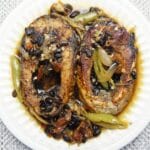
Daing na Bangus – Butterflied milkfish marinated in vinegar, garlic, and pepper, then fried until golden and crispy. Best served with garlic rice and suka.
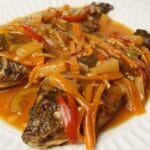
Sarciadong Bangus – Fried bangus simmered in a tomato and egg sauce. A great way to use leftover fried fish and turn it into a saucy ulam.
Bangus with Tausi – Milkfish cooked in black bean sauce with bell peppers, garlic, and onions. A flavorful dish with a slight salty kick from the tausi.
Frequently Asked Questions
While paksiw na bangus traditionally uses milkfish, you can substitute it with other firm, white fish like tilapia or snapper. However, the flavor and texture might differ slightly.
You can store leftovers in the refrigerator for up to 3-4 days. Make sure it’s in an airtight container to keep it fresh.
Yes, you can freeze paksiw na bangus for up to 2 months. Just make sure it’s properly sealed in an airtight container or freezer bag to avoid freezer burn.
The fish is done when it flakes easily with a fork and is opaque throughout. You can also check that the vegetables are tender.
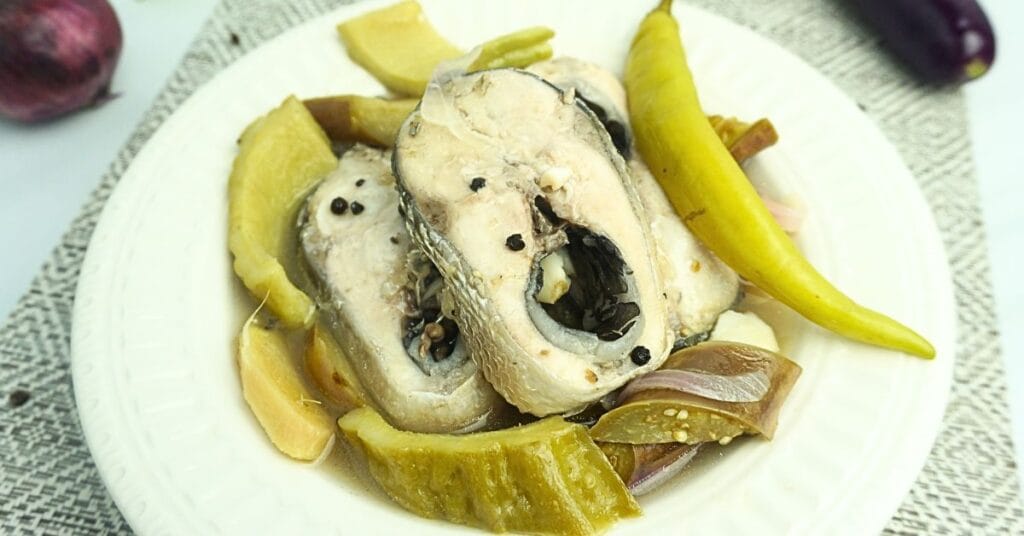
Paksiw na Bangus
Ingredients
- 1 piece Bangus / Milkfish (cleaned and cut into serving pieces)
- 1 cup Vinegar
- 1 cup Water
- 1 piece Onion large(chopped)
- 4 cloves Garlic (crushed)
- 1 piece Ginger thumb-sized(sliced)
- 2 piece Eggplants (sliced)
- 2 pcs Long Green Chili / Siling Haba
- 1 piece Bittermelon / Ampalaya (sliced)
- 1 tsp Black Pepper (whole)
- 1 tsp Salt
Instructions
- Clean the bangus thoroughly and cut it into serving pieces. Cut the ginger, onion, garlic, eggplant and bittermelon
- In a pot, arrange the bangus pieces. Add the onion, garlic, ginger, eggplants, green chili, and bitter melon on top of the fish.
- Pour in the vinegar and water. Add the whole peppercorns and salt.
- Cover the pot and bring it to a boil. Lower the heat and let it simmer for about 20-25 minutes or until the fish and vegetables are cooked.
- Serve hot with steamed rice.
Watch this!