What You’ll Find Here?
Cleaning a fish for the first time can feel like a bit of a challenge, but trust me, once you get used to it, it’s not as hard as it looks. I remember the first time I had to clean one. We were about to cook sinigang, and I was in charge of cleaning the fish. It was a bit messy and I wasn’t sure if I was doing it right, but after a few tries, I got the hang of it—and you will too!
In this guide, I’ll walk you through the simple steps to clean a fish, just like I do at home. Whether you’ve just caught it yourself or bought it fresh from the market, cleaning a fish the right way will make your dish taste fresher and better.
Why Properly Cleaning a Fish is Important
Cleaning fish well is super important. It ensures that you’re getting rid of all the unwanted parts—the scales, guts, and fins—so you’re left with clean, fresh fish meat ready for cooking. If you skip a step, your fish could taste “fishy” or might still have bones in it, which no one wants to deal with while eating!
For me, cleaning the fish properly is all about making sure our dishes, whether it’s sinigang or inihaw, taste as fresh and delicious as possible. Plus, a well-cleaned fish just makes the cooking process smoother.
What You Need to Clean a Fish
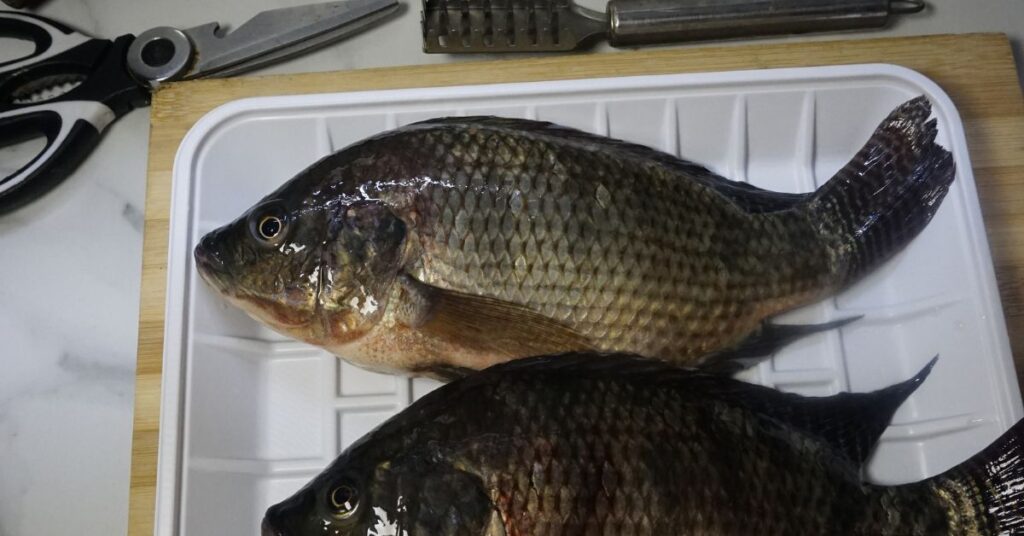
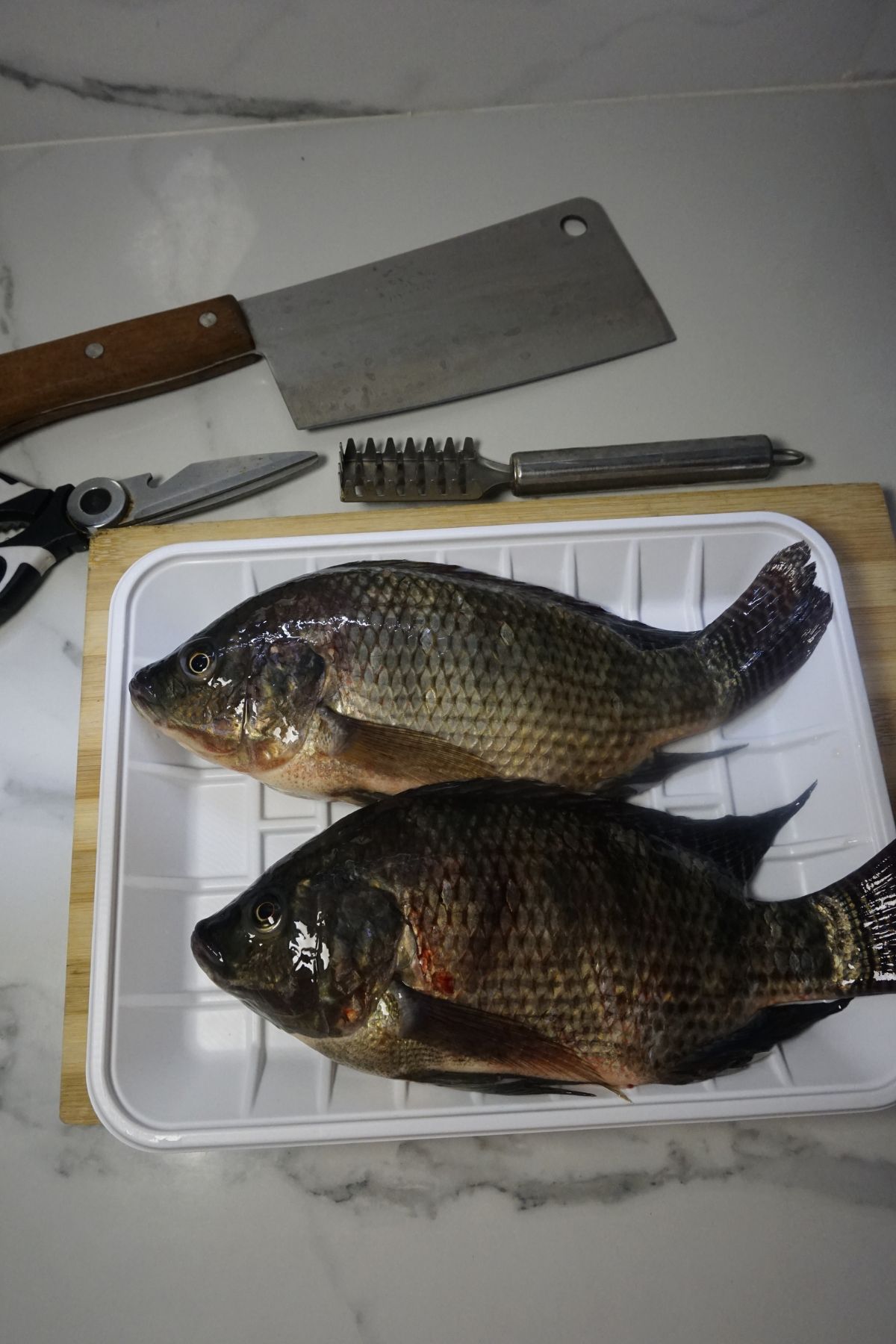
Before we start, make sure you have the following tools:
- A sharp knife – Fillet knife or any sharp kitchen knife will work.
- Cutting board – Make sure it’s big enough to hold the fish.
- A spoon or scaler – To remove the scales.
- Clean water – You’ll need this for rinsing the fish.
- Towel or paper towels – To dry the fish after cleaning.
Trash bag – For disposing of the guts and scales.
Step-by-Step Guide to Cleaning a Fish
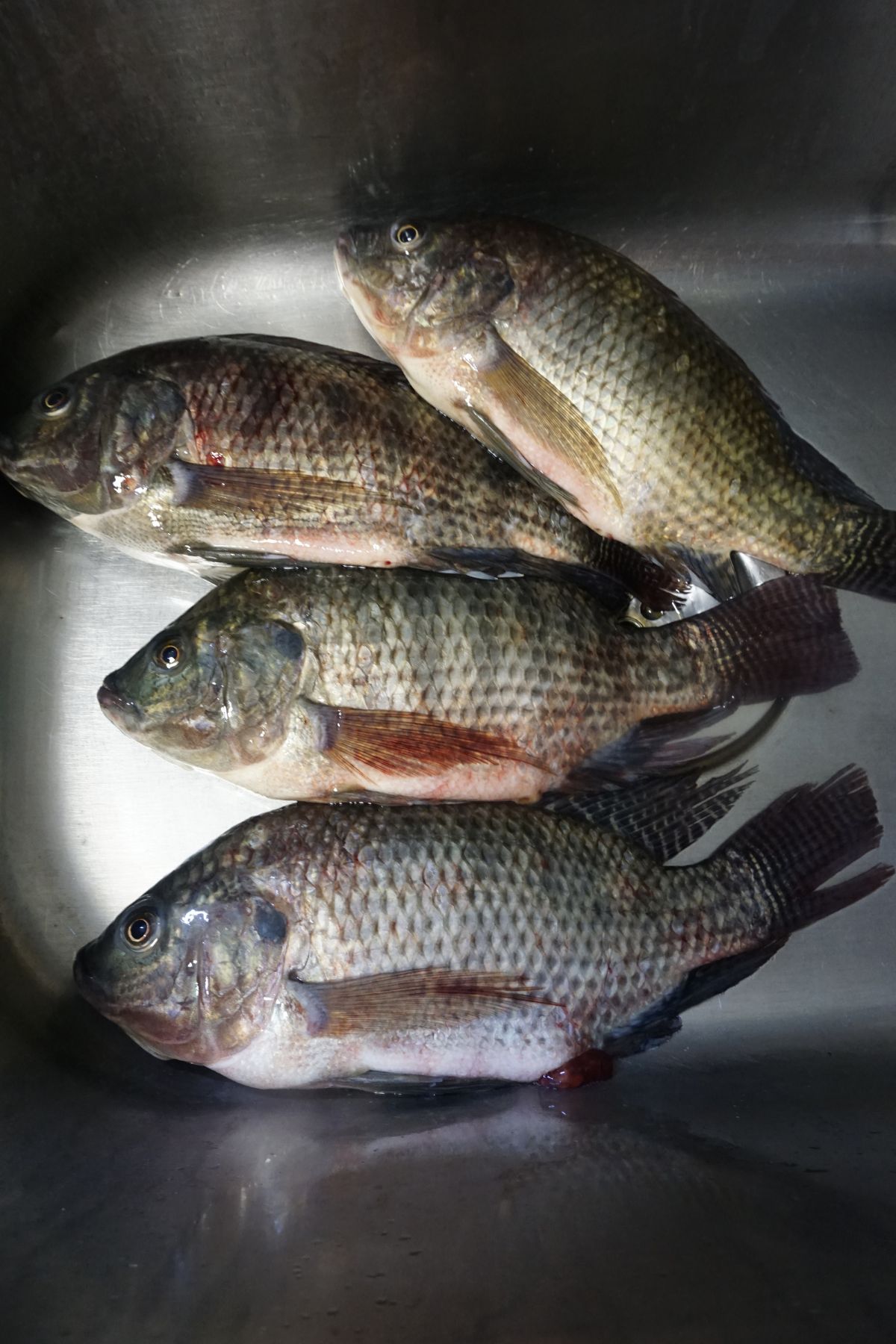
Step 1: Rinse the Fish
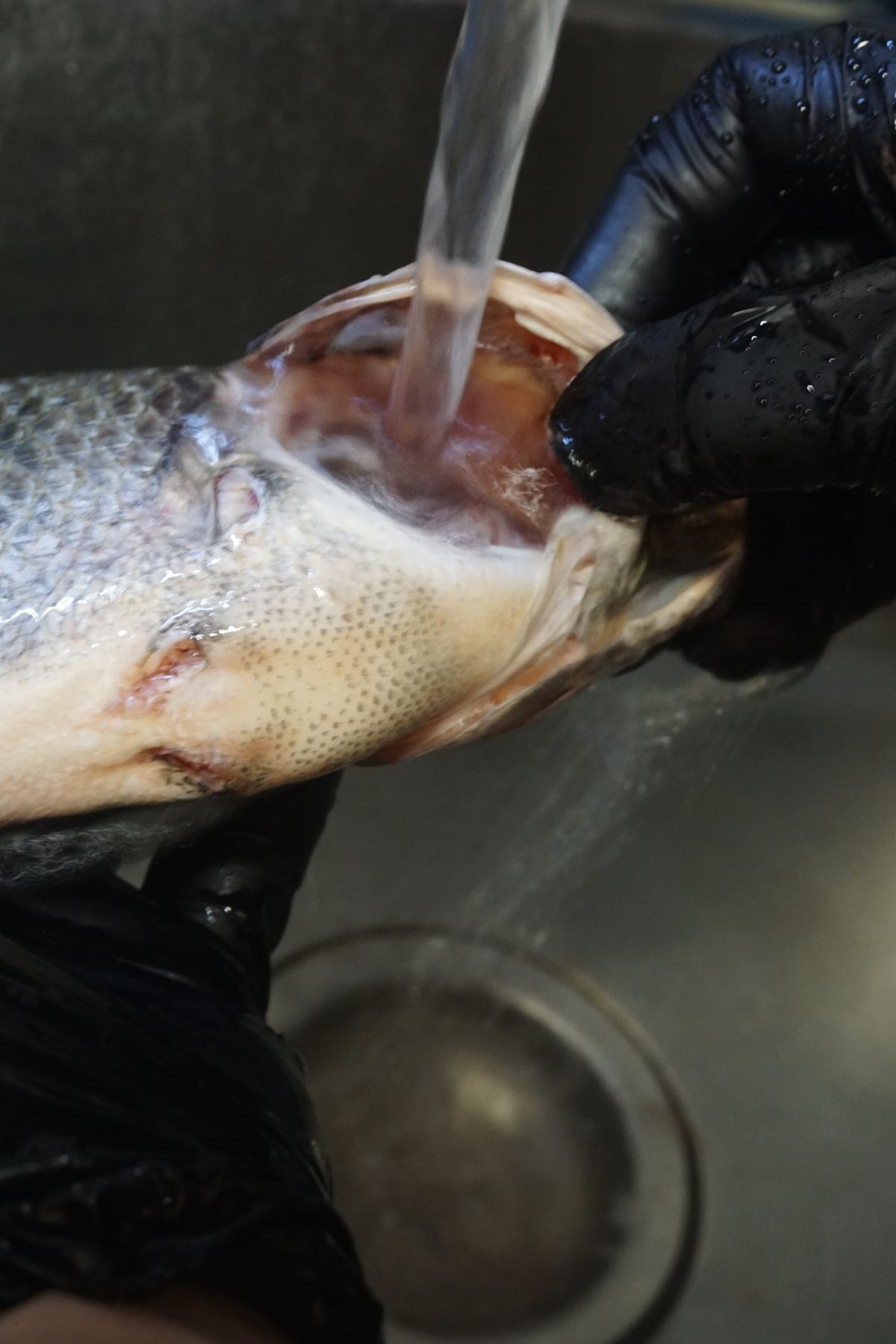
Start by rinsing the fish under cold water. This will help wash off any dirt, blood, or slime on the surface. I always give the fish a good rinse before I do anything else. It helps me work with a cleaner fish.
Step 2: Remove the Scales
Here comes the part that I found the most intimidating when I was just starting: scaling the fish. But don’t worry, it’s easier than it seems!
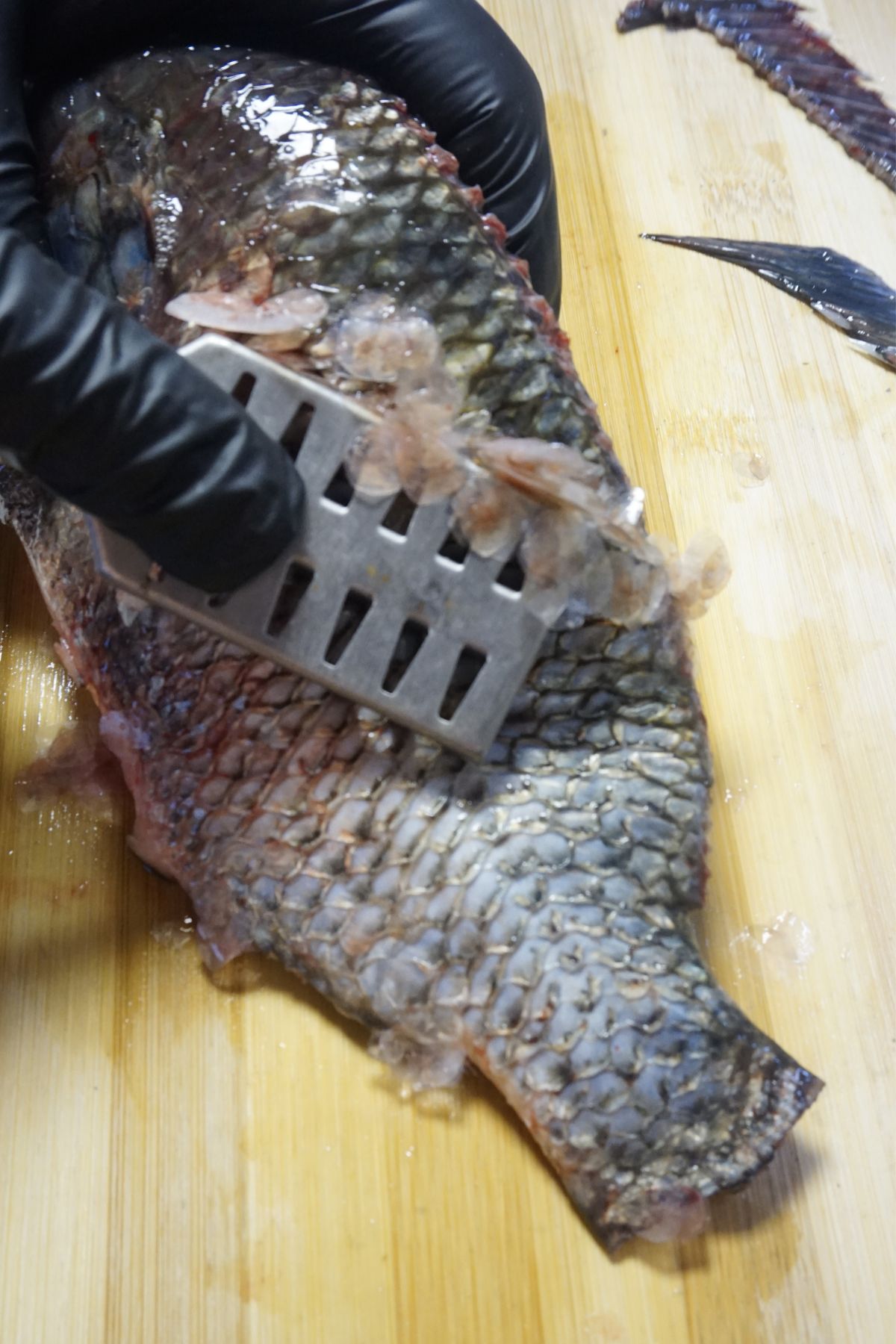
- Hold the fish by the tail firmly.
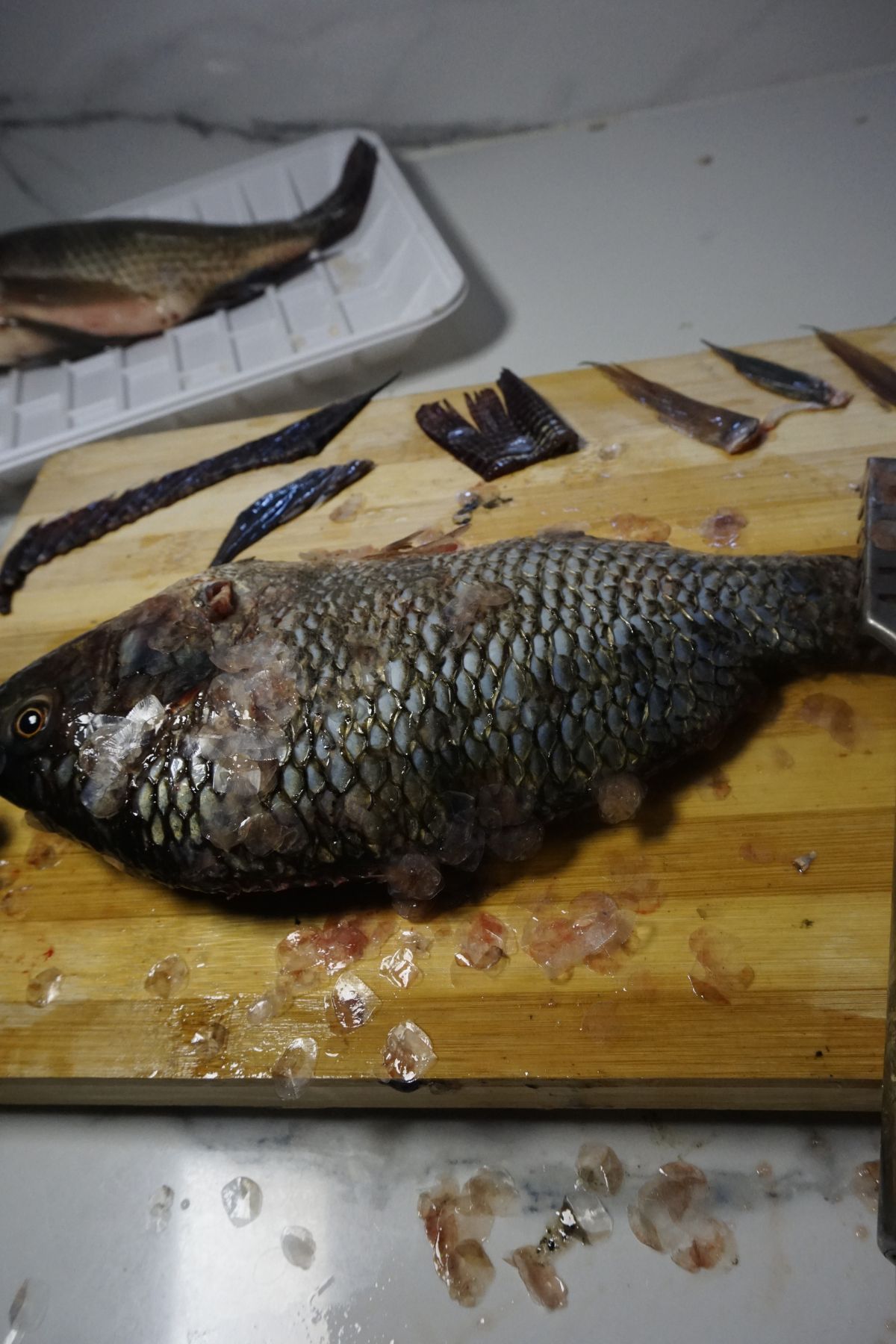
- Use a spoon or fish scaler to scrape the scales off. Start from the tail and work your way toward the head.
- Make sure to scrape all over—both sides, the top, and even under the belly—until the scales are completely gone.
Tip: If you’re like me and don’t want scales flying everywhere, I recommend doing this over a sink or a big bowl to catch the mess.
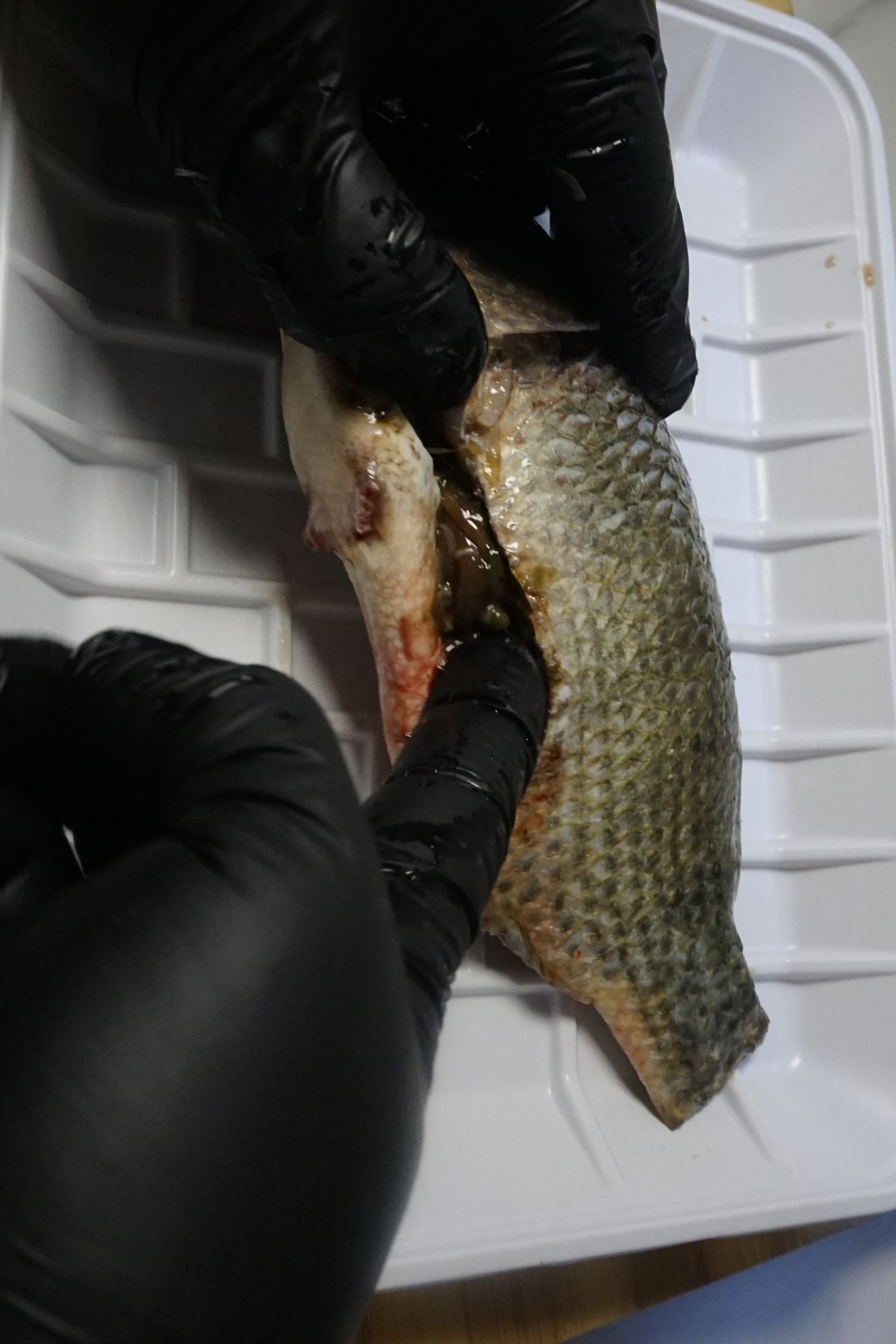
Step 3: Cut Open the Belly
Now, it’s time to gut the fish. This part might seem a little gross, but it’s quick and easy.
- Lay the fish flat on your cutting board with the belly facing up.
- Take a sharp knife and cut a shallow line from the bottom of the belly near the tail all the way up to the base of the head. Don’t push too deep with the knife—just enough to open up the fish.
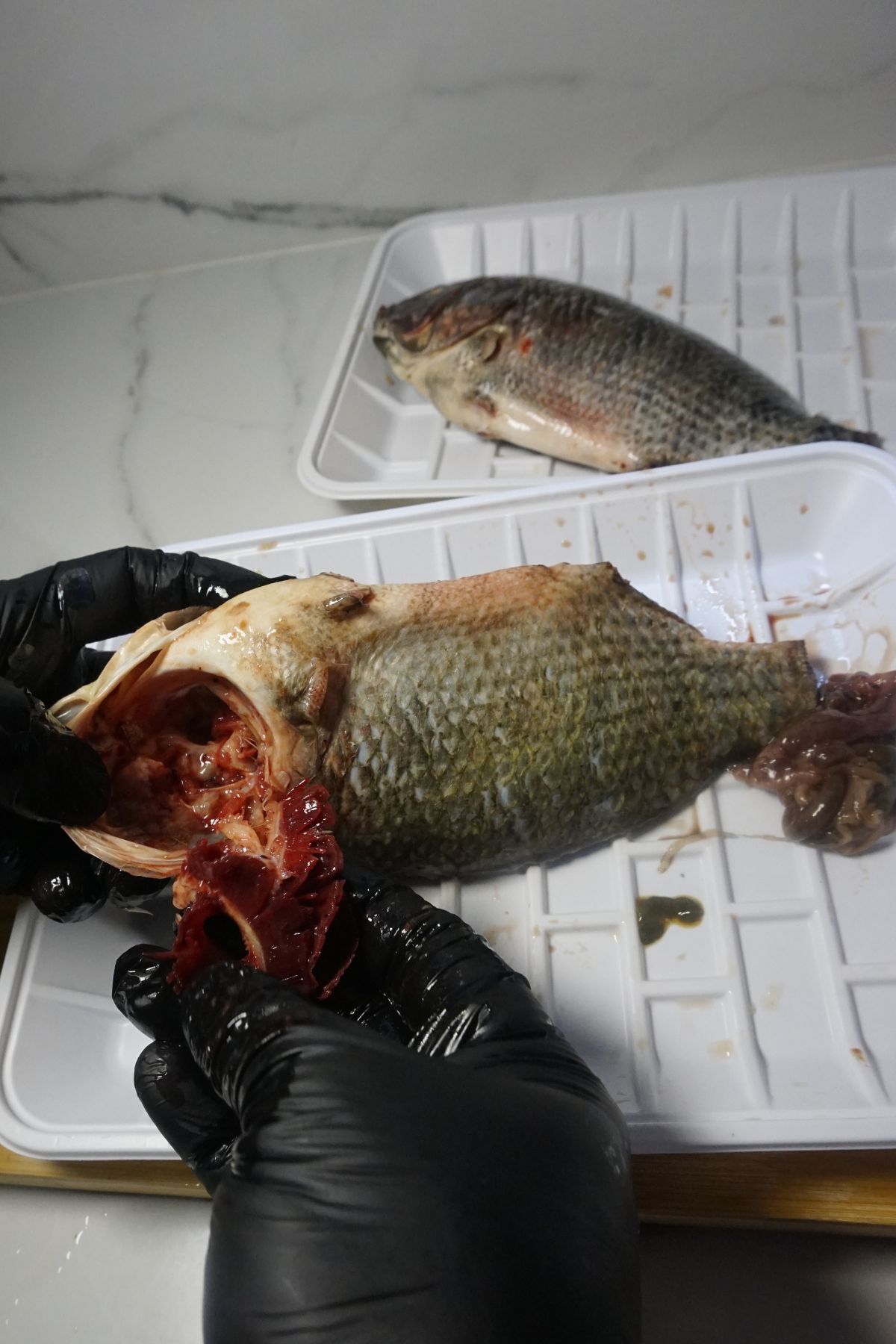
Step 4: Remove the Guts
This is where you’ll get rid of all the insides (the guts) of the fish.
- Reach inside the fish with your fingers or a spoon and pull out the guts.
- Make sure everything is removed from the belly cavity. Sometimes there’s a dark, slimy lining that you can scrape off with a spoon or the edge of your knife.
Tip: Rinse the inside of the fish again under cold water. I always do this to make sure it’s really clean inside.
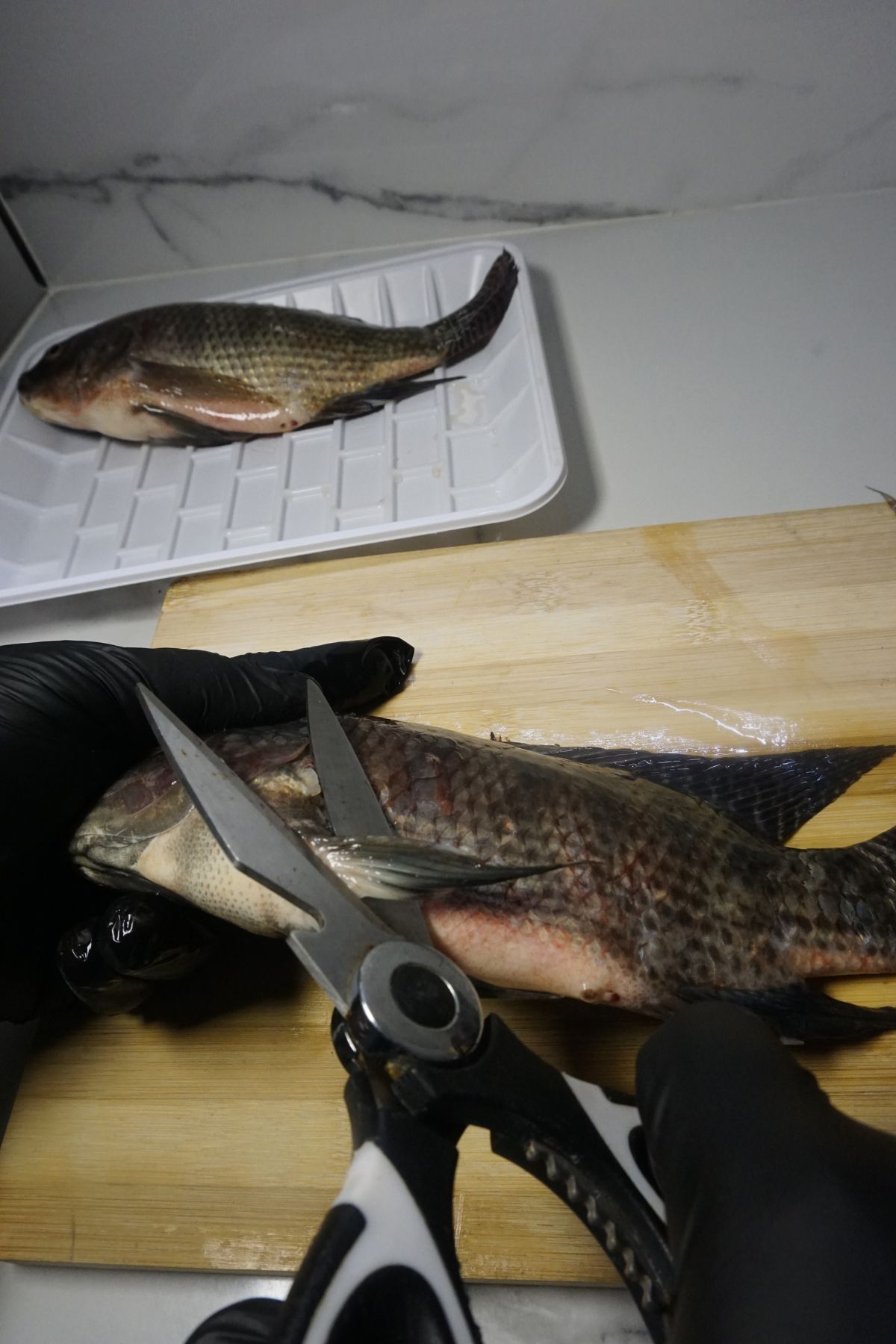
Step 5: Cut Off the Fins (Optional)
You can choose to remove the fins if you don’t need them. I usually cut off the dorsal fin (on top of the fish) and the pectoral fins (near the head) for cleaner cooking.
- Use a sharp knife or scissors to cut the fins off.
- Be careful as some fins can be sharp—better safe than sorry!
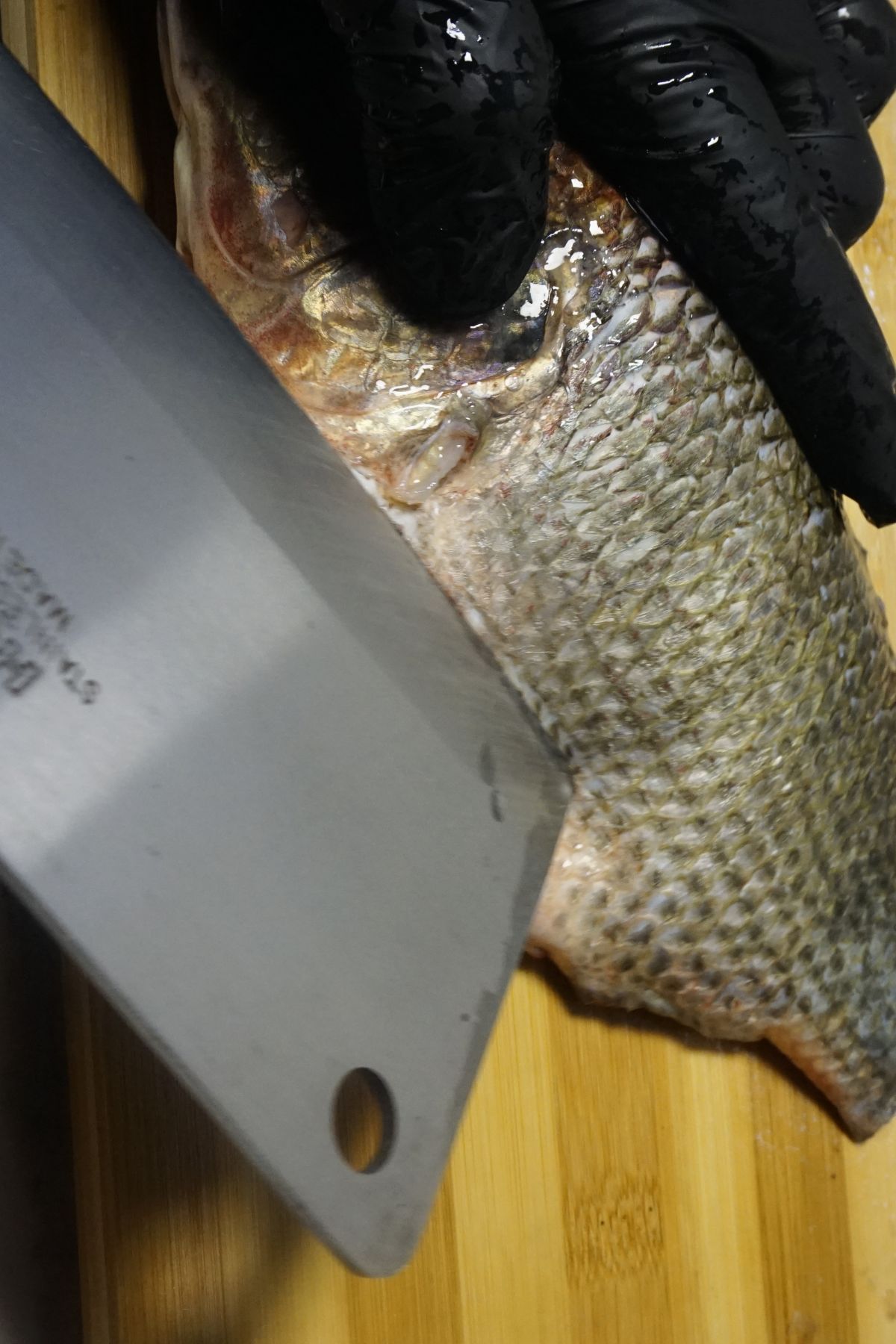
Step 6: Remove the Head (Optional)
Depending on the dish, you might want to leave the head on or take it off. For sinigang, I usually leave the head because it adds a lot of flavor, but for grilled dishes, I prefer to remove it.
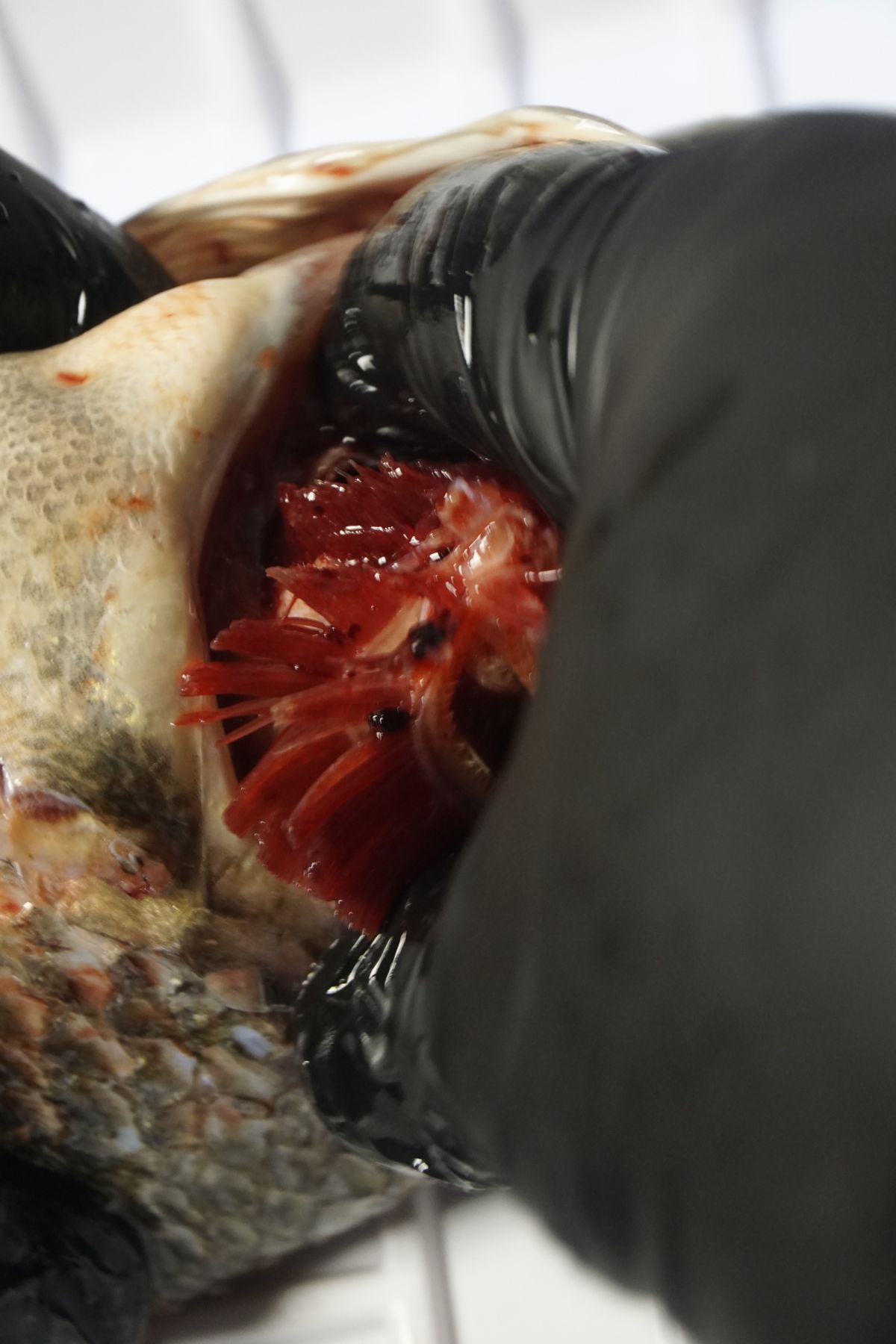
- To remove the head, just cut behind the gills and through the spine. It’s a quick and easy cut.
Step 7: Final Rinse and Dry
Once the fish is cleaned, give it one final rinse under cold water to make sure there’s no residue left. Pat the fish dry with a clean towel or paper towels, and you’re all set!
Now your fish is ready for cooking, whether you’re grilling it, frying it, or steaming it. I personally love inihaw na bangus, so I usually go for grilling after cleaning!
Frequently Asked Questions
Yes, it’s best to clean the fish as soon as possible. If you can’t do it right away, store the fish in ice or keep it cold in the fridge
Yes, the fish skin is edible, and when it’s crispy, it’s delicious! Just make sure you’ve removed all the scales first.
After cleaning, dry the fish and store it in the fridge if you’re going to cook it within a day or two. Otherwise, you can freeze it for longer storage.
How to Clean a Fish (Step-by-Step for Beginners
Instructions
- Rinse the Fish: Rinse the fish under cold water to remove dirt, blood, and slime.
- Remove the Scales: Hold the fish by the tail and use a spoon or fish scaler to scrape the scales off, working from tail to head. Make sure to scrape all over the fish.
- Cut Open the Belly: Lay the fish flat and cut a shallow line from the belly near the tail to the head.
- Remove the Guts: Pull out the guts using your fingers or a spoon, then rinse the belly cavity under cold water.
- Cut Off the Fins (Optional): Use a knife or scissors to cut off the fins, being careful as some may be sharp.
- Remove the Head (Optional): Cut behind the gills and through the spine to remove the head if desired.
- Final Rinse and Dry: Give the fish a final rinse and pat it dry with a towel or paper towels. Ready for cooking!
Notes
Quick Tips for Cleaning a Fish Like a Pro
- Keep the Fish Cold: If the fish has been sitting out for a while, I usually pop it in the fridge for a bit before cleaning. It makes the whole process easier.
- Use a Sharp Knife: A sharp knife makes cutting and cleaning way smoother. I made the mistake of using a dull knife once, and it made everything harder.
- Scale Outdoors if Possible: Scaling can get messy, and if the weather’s good, I sometimes scale fish outside. It makes cleanup easier.
Done cleaning your fish?
Try these other fish recipes that are just as tasty and easy to cook:
Sarciadong Tilapia – Crispy fried tilapia simmered in a flavorful tomato and egg sauce.
Daing na Bangus – Marinated milkfish fried until golden and crispy. Perfect with suka and garlic rice.
Paksiw na Bangus – A tangy and savory dish cooked in vinegar, garlic, and peppercorns. Comfort food at its finest.
Bangus with Tausi – Milkfish in black bean sauce, giving it that salty-sweet flavor that pairs so well with rice.