Tilapia, I would say, is one of the most budget-friendly and easy-to-find fish out there.
That’s why it’s always been a go-to for home cooks like me.
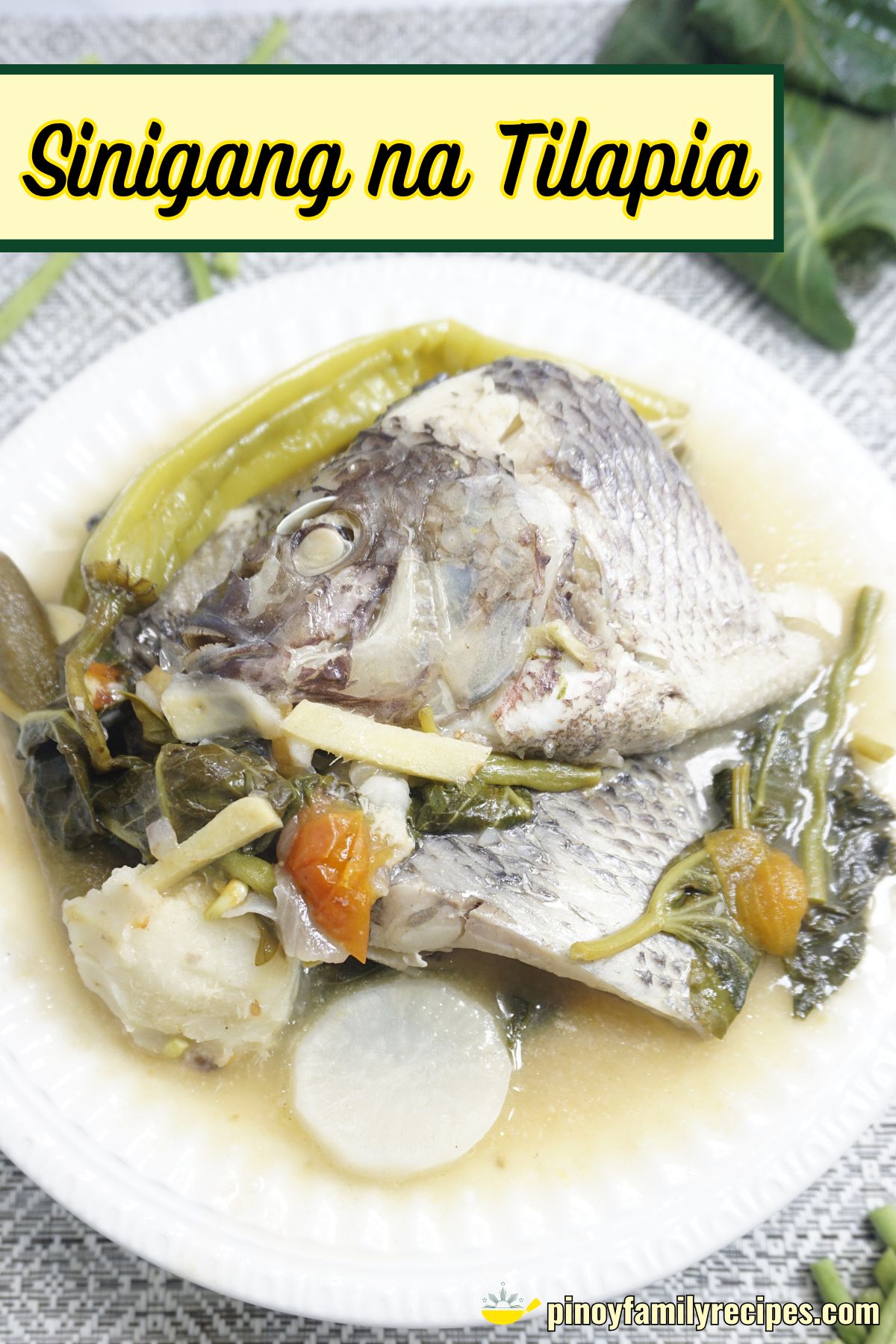
And when it’s cooked in sinigang, it turns into a light, comforting meal that’s packed with flavor and perfect with hot rice.
Sinigang na Tilapia has that classic sour broth, usually made with sampalok (tamarind), and loaded with vegetables like kangkong (water spinach), labanos (radish), and okra.
It’s simple, healthy, and great for rainy days or whenever you’re craving something warm and hearty.
Let me show you how I make this dish at home using easy steps and ingredients you probably already have in your kitchen.
What is Sinigang na Tilapia
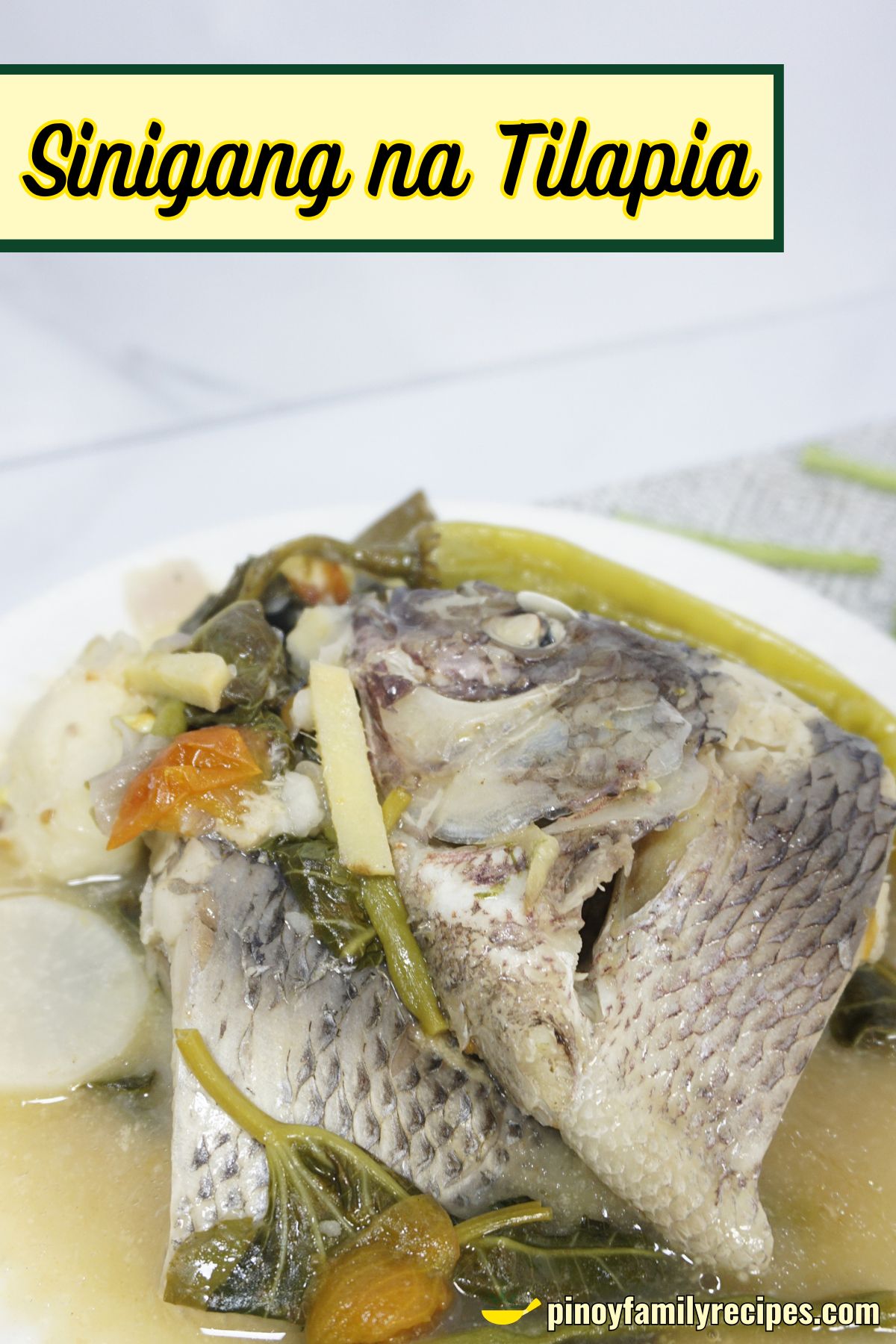
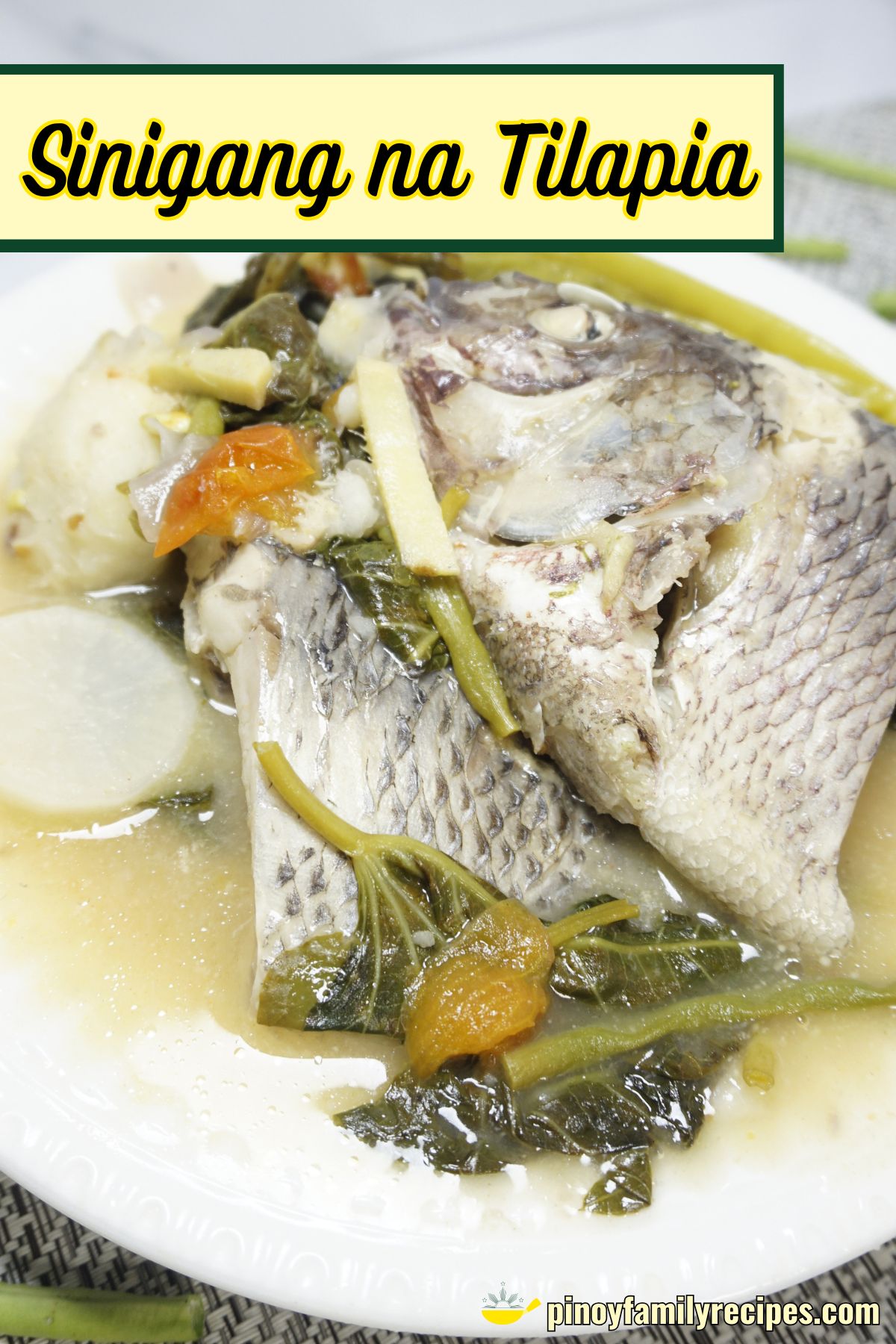
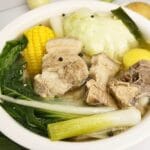
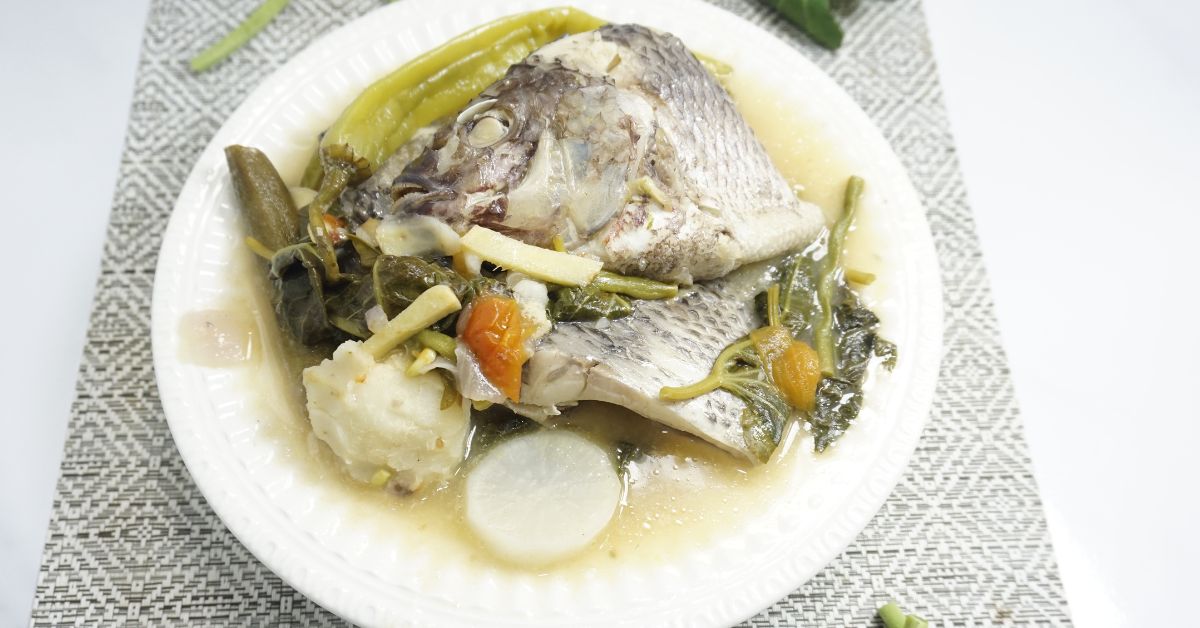
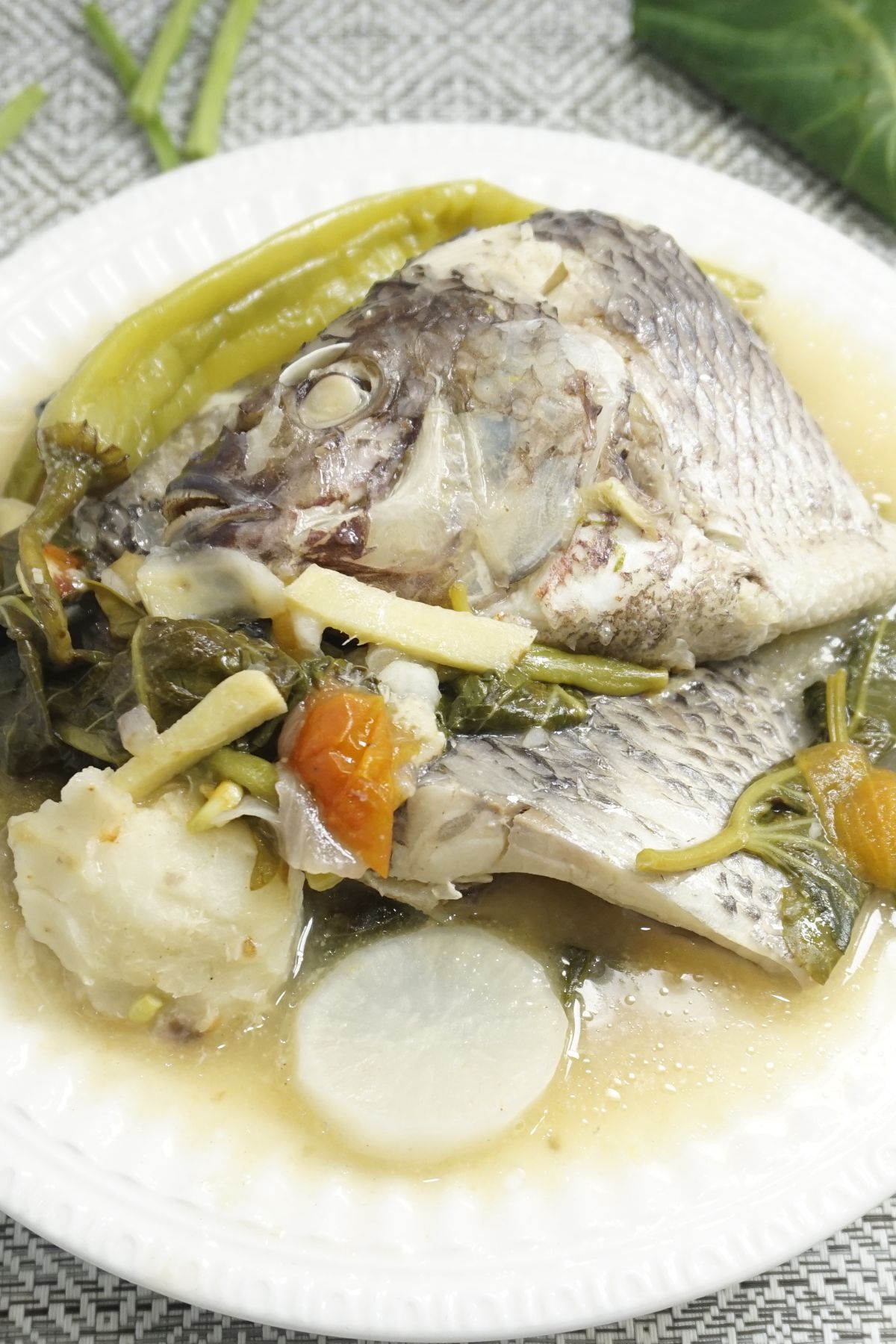
Sinigang na Tilapia is a Filipino sour soup made with tilapia fish and a mix of vegetables like kangkong (water spinach), labanos (radish), okra, and sitaw (string beans).
The broth is usually flavored with tamarind or a ready-made sinigang mix to give it that familiar asim (sourness) that makes sinigang so comforting.
Compared to pork or beef sinigang, this version is lighter and cooks faster.
The fish soaks up all that sour broth, making every bite flavorful.
It’s perfect when you want something healthy, warm, and easy to prepare, especially during cold or rainy days.
Sinigang na Tilapia Ingredients
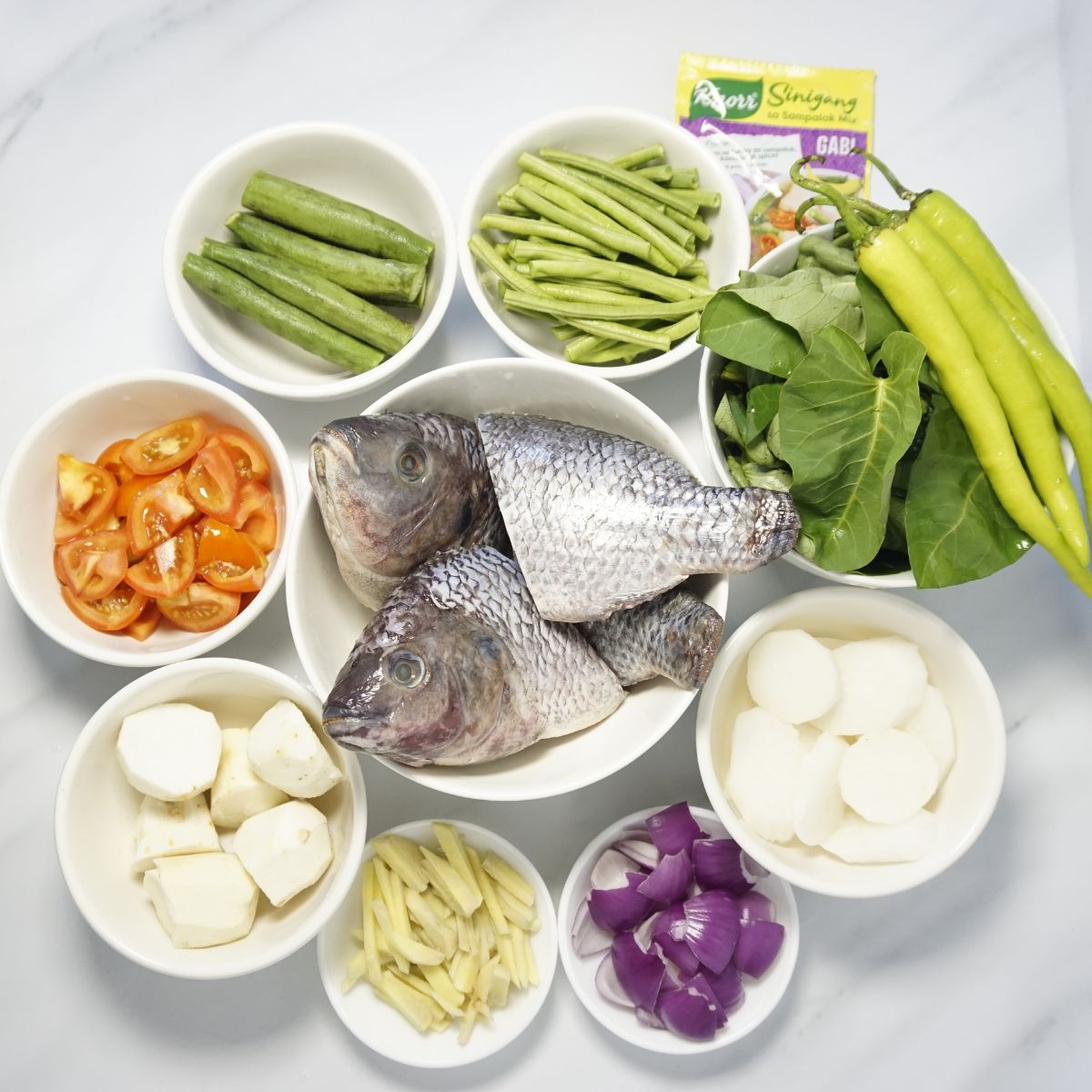
- Ginger, onion, and tomatoes – These add a warm, aromatic base and a touch of natural sweetness to the broth.
- Gabi (taro) – Gives the soup a creamy texture as it softens while simmering.
- Okra, sitaw (snake beans), and labanos (radish) – These vegetables add texture and absorb the sour broth beautifully.
- Green chilies (siling haba) – Adds mild heat and enhances the flavor of the broth without overpowering it.
- Sinigang mix powder – Provides that signature sour taste that makes sinigang so comforting and appetizing.
- Fish sauce (patis) – Adds depth and umami to balance the sourness.
- Tilapia – The star of the dish, it soaks up the tangy broth and becomes tender and flavorful.
- Kangkong (water spinach) – A classic sinigang green that adds freshness and soft leafy texture at the end.
How To Cook Sinigang na Tilapia
1. Sauté the Aromatics
First, heat some oil in a large pot over medium heat. Then, add the sliced ginger, onions, and tomatoes. Sauté everything until the onions are soft and the tomatoes start to break down. This is where the flavor starts, so take your time and let it all come together.
2. Add the Gabi and Let It Soften
Now, add the gabi (taro) into the pot. Stir it around with the aromatics, then pour in your water. Bring this to a boil, then lower the heat to a simmer. Let the gabi cook for about 10 to 15 minutes or until it starts to get soft. This helps thicken the soup a bit later.
3. Add the Rest of the Vegetables
Once the gabi is partly cooked, add the okra, sitaw (snake beans), labanos (radish), and green chilies. These vegetables will cook quickly, so no need to boil them too long. Let them simmer until slightly tender but not overcooked.
4. Season the Broth
Now, pour in the sinigang mix. Stir well and taste the broth. Adjust the sourness depending on how strong you like it. I usually add fish sauce at this point too, little by little, until the flavor hits that tamang timpla (just right) level.
5. Add the Tilapia
Carefully place the tilapia into the pot. I usually tilt the pot a bit or gently shake it so the broth coats the fish evenly. Let it simmer for around 8 to 10 minutes or until the fish is cooked through. Be gentle—tilapia is soft and can break apart easily.
6. Add the Kangkong Last
Once the fish is cooked, add the kangkong leaves on top. These cook fast, so you just need about 1 to 2 minutes. Once they wilt, the dish is ready.
7. Serve Hot with Rice
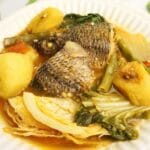
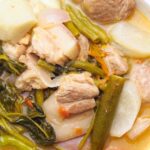
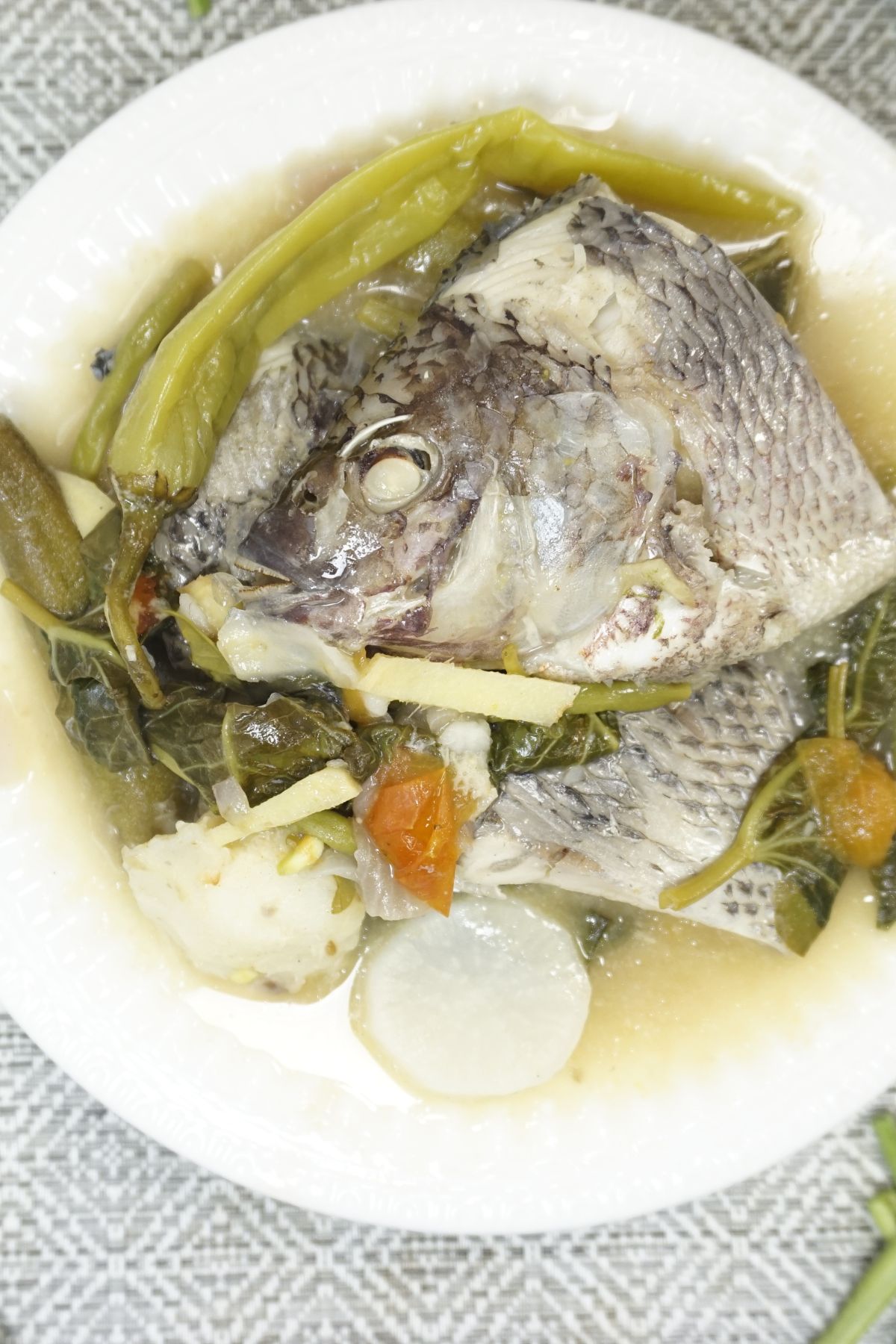
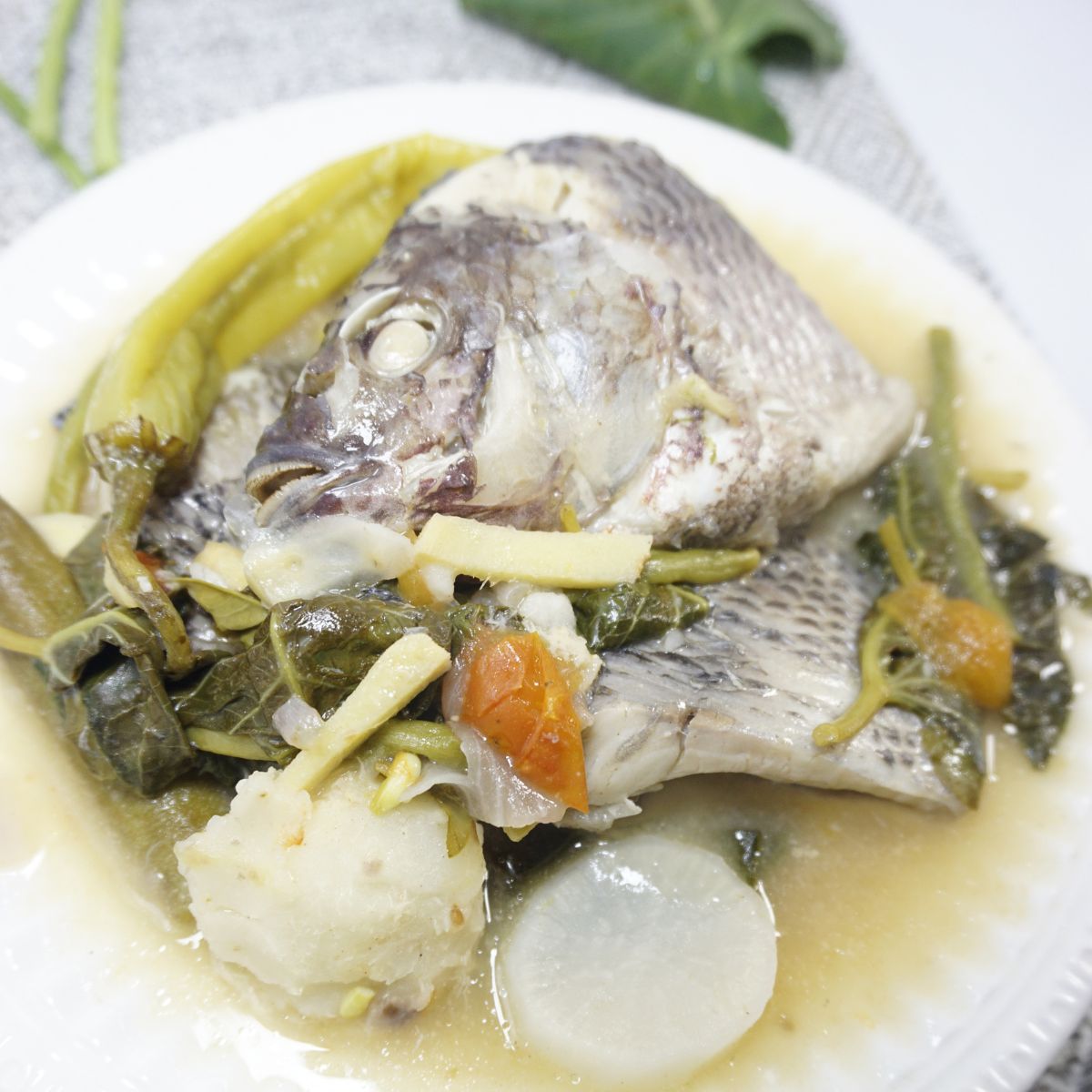
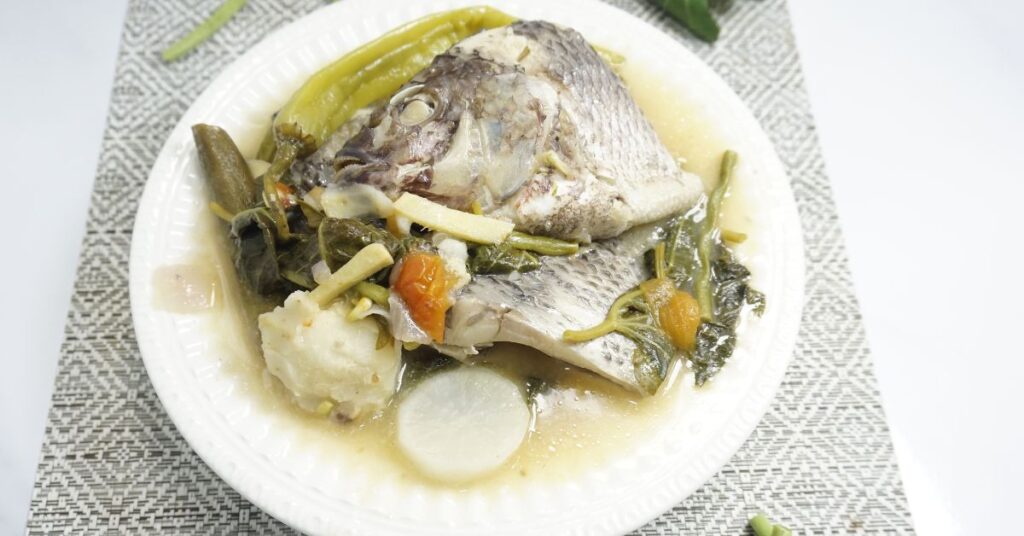
That’s it! Your Sinigang na Tilapia is done. Serve it hot with lots of rice and maybe a little fish sauce with calamansi on the side. The sour broth, tender veggies, and soft tilapia make every bite worth it.
My Tips for a Best Sinigang na Tilapia
1. Choose fresh tilapia
Always pick fresh tilapia when you can. Look for clear eyes and a clean smell, not overly fishy. Fresh fish makes the broth taste cleaner and sweeter. I have a blog about spotting fresh fish. You might want to check it out if you’re not sure yet.
2. Score the fish
Before cooking, make shallow cuts on both sides of the tilapia. This helps the broth soak into the meat so every bite is flavorful.
3. Don’t overcook the fish
Tilapia cooks fast. Once it turns white and flakes easily, it’s done. If you overcook it, the fish will fall apart in the soup.
4. Add the vegetables in stages
Don’t dump all the veggies at once. Gabi takes longer to cook, while kangkong just needs a minute. Adding them at the right time keeps everything tender but not soggy.
5. Adjust the sourness to your taste
Some like it asim na asim (really sour), some like it mild. Start with half of the sinigang mix first, then taste and add more if needed.
6. Use real sampalok if you have time
If you want a more natural flavor, try using fresh tamarind. Boil it, mash, and strain the juice into the soup. It takes more effort but the taste is worth it.
More Tilapia Recipes
If you enjoyed this Sinigang na Tilapia, you might want to try other tasty tilapia dishes too. These recipes are just as flavorful and easy to cook:
Ginataang Tilapia Recipe – Creamy coconut milk with tender tilapia and vegetables.
Pocherong Tilapia – A hearty soup with tilapia, tomatoes, and fresh greens.
Sarciadong Tilapia – Fried tilapia simmered in a savory tomato and egg sauce.
Sweet and Sour Tilapia Recipe – Crispy tilapia with a tangy-sweet sauce that hits the spot.
Frequently Asked Questions
Yes, you can use frozen tilapia, but make sure to thaw it completely and pat it dry before cooking. Fresh is always better, but frozen works fine if that’s what you have on hand.
Definitely. If you have access to fresh sampalok (tamarind), boil it in water until soft, mash it, and strain the juice into your broth. It gives the sinigang a more natural and deeper sourness.
Tilapia is a soft kind of fish, so it breaks easily if you stir it too much or overcook it. Just place it gently in the pot and avoid moving it around. Let it simmer undisturbed until cooked.
You can play around with the gulay (vegetables) depending on what’s available. Aside from kangkong, okra, sitaw, gabi, and labanos, you can also use eggplant, pechay, or even mustard greens.
It’s best eaten fresh, but you can keep leftovers in the fridge for up to 2 days. Just reheat it gently on the stove. Avoid microwaving it too long because the fish might dry out or break apart.
Sinigang na Tilapia Recipe
Ingredients
- 2 tbsp cooking oil
- 1 thumb-sized piece ginger julienned
- 1 medium onion sliced
- 2 medium tomatoes sliced
- 4-5 pieces gabi taro, peeled and quartered
- 5 cups water
- 5-6 pieces okra trimmed
- 10-12 pieces snake beans sitaw, cut into 2-inch lengths
- 1 small labanos white radish, sliced thinly
- 2-3 green chilies
- 1 packet about 20g sinigang mix powder (adjust to taste)
- 1-2 tbsp fish sauce to taste
- 2 large tilapia cleaned and scored
- 2 bunches kangkong leaves tough stems removed
Instructions
- Heat the cooking oil in a large pot over medium heat. Sauté the julienned ginger, sliced onion, and tomatoes until they’re soft and aromatic, about 3-4 minutes.
- Add the quartered gabi to the pot and pour in the water. Bring the mixture to a boil, then reduce the heat to a simmer. Cook for about 10 minutes or until the gabi starts to soften.
- Add the okra, snake beans, labanos, and green chilies to the pot. Continue simmering for another 5-7 minutes until the vegetables start to soften but still have a slight crunch.
- Stir in the sinigang mix powder and fish sauce. Adjust the seasoning based on your taste preference, adding more sinigang mix or fish sauce if needed.
- Gently place the tilapia into the pot. Cover and cook for 10-12 minutes, or until the fish is fully cooked and flakes easily with a fork.
- Add the kangkong leaves and cook for 1-2 more minutes until they are wilted but still vibrant green.
- Serve the Sinigang na Tilapia hot, with steamed rice. Enjoy!