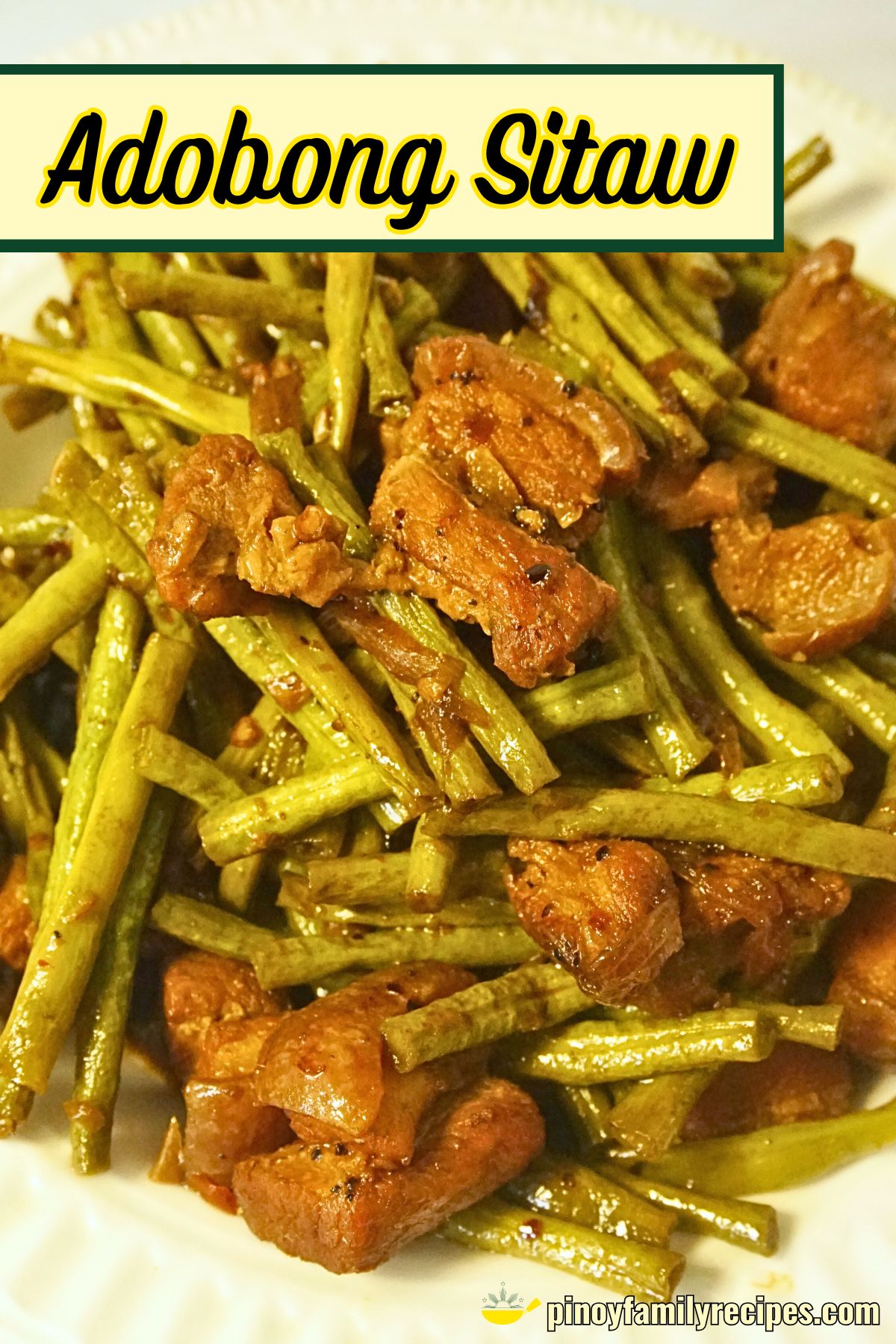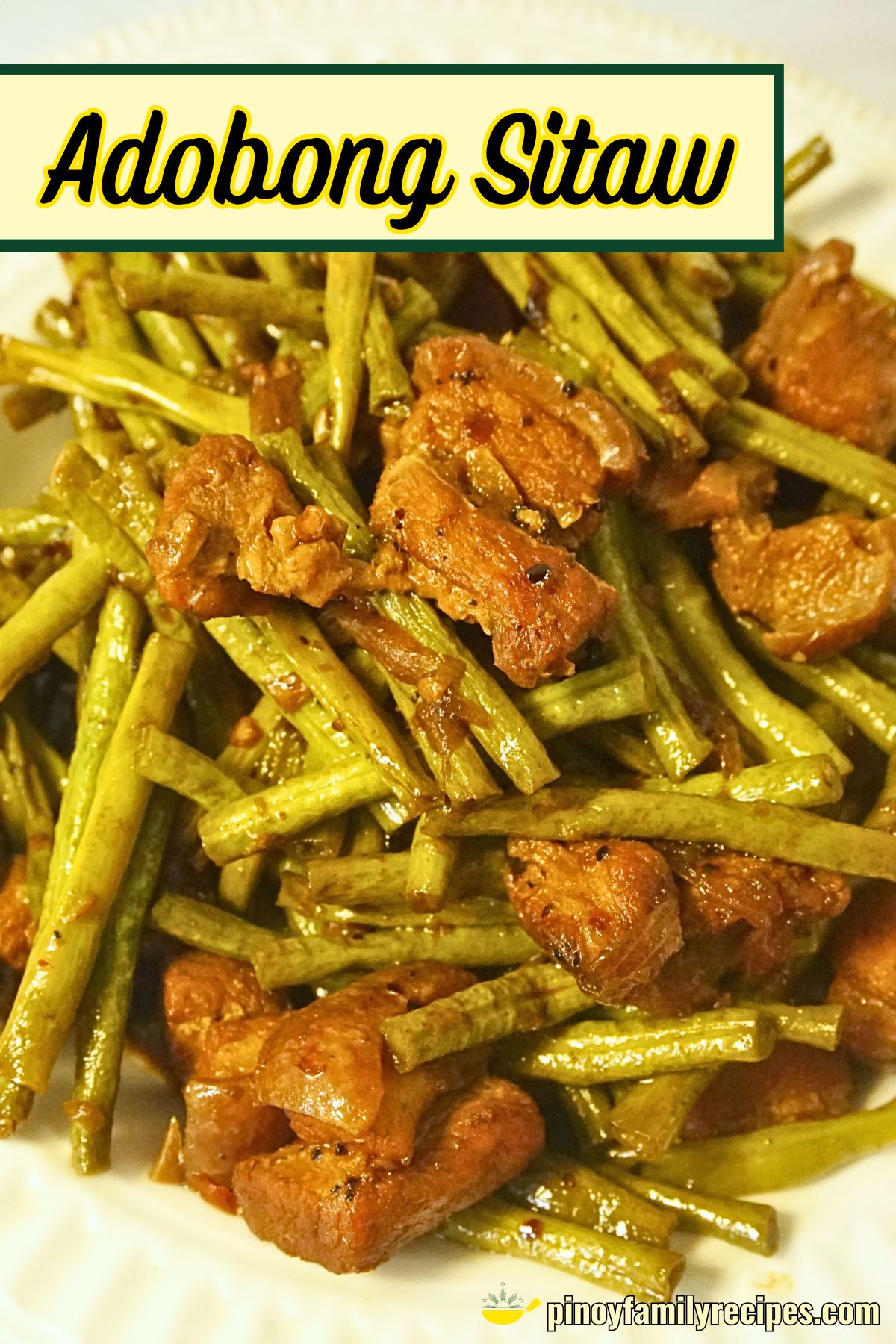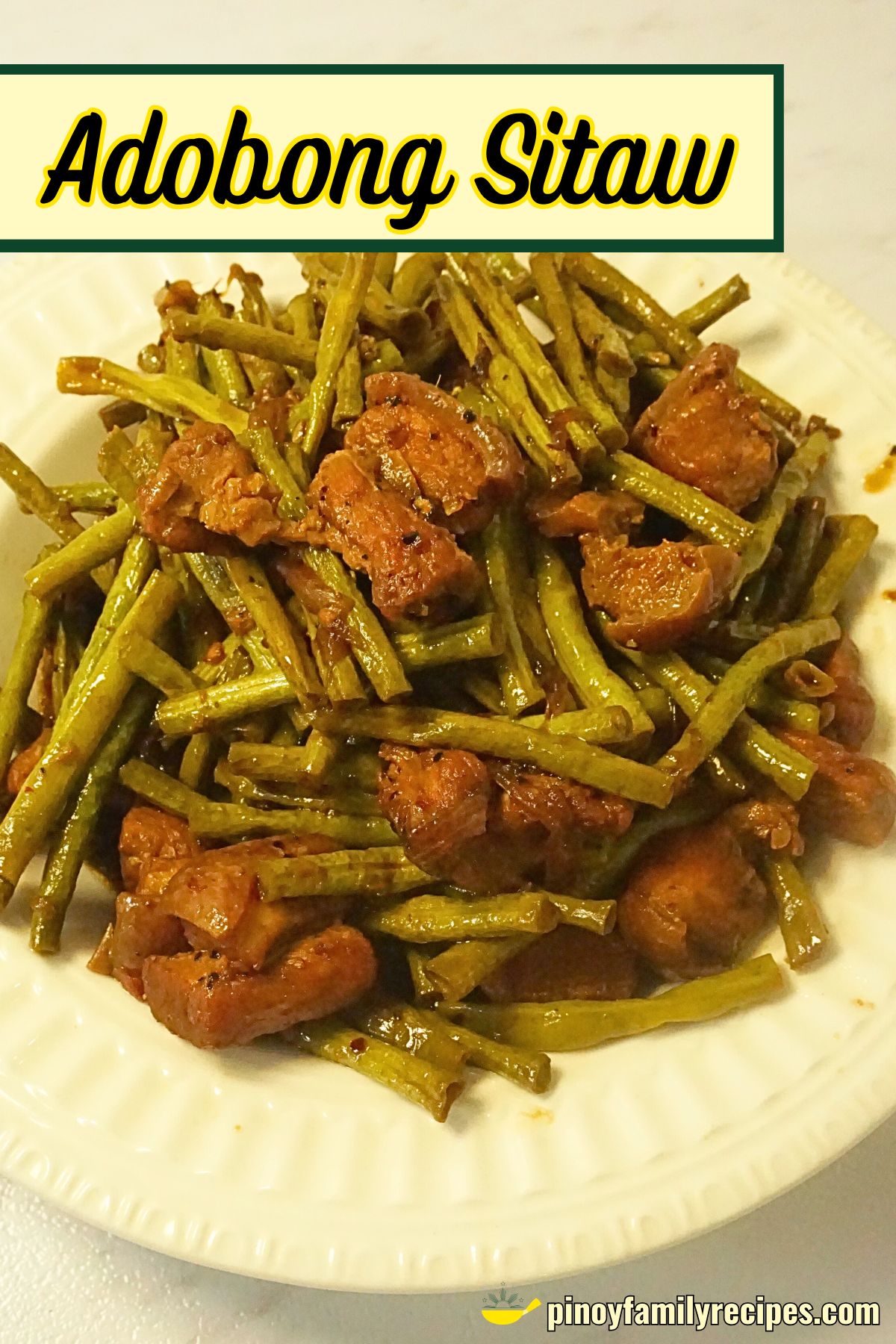
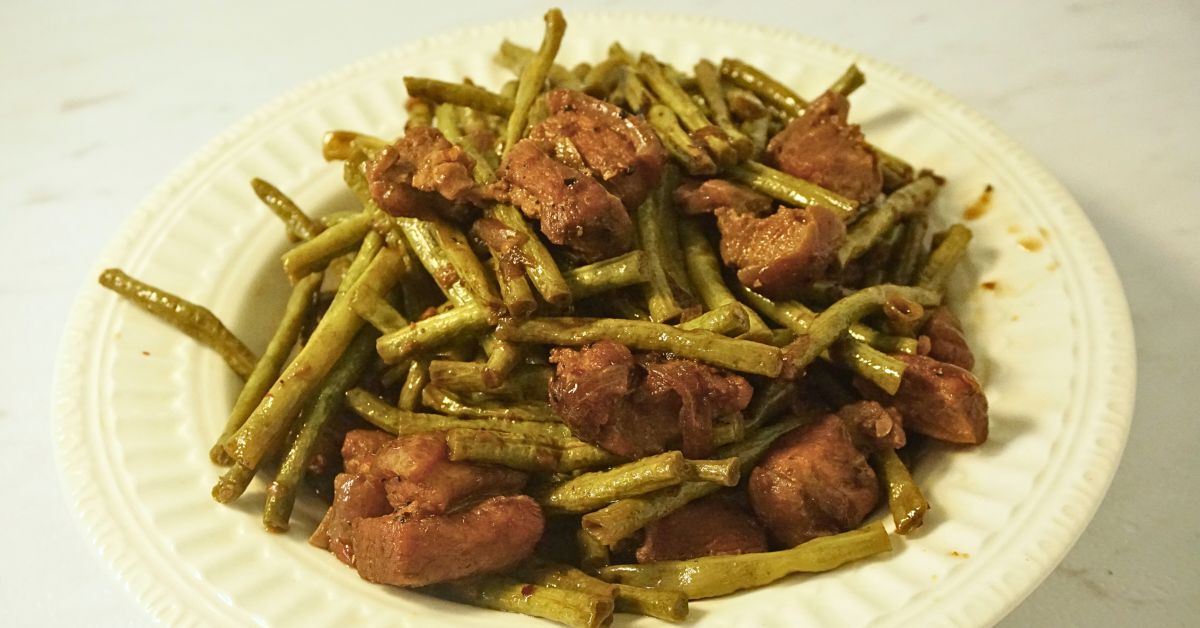
The other day, I spotted some green beans (sitaw) in the fridge from a previous meal.
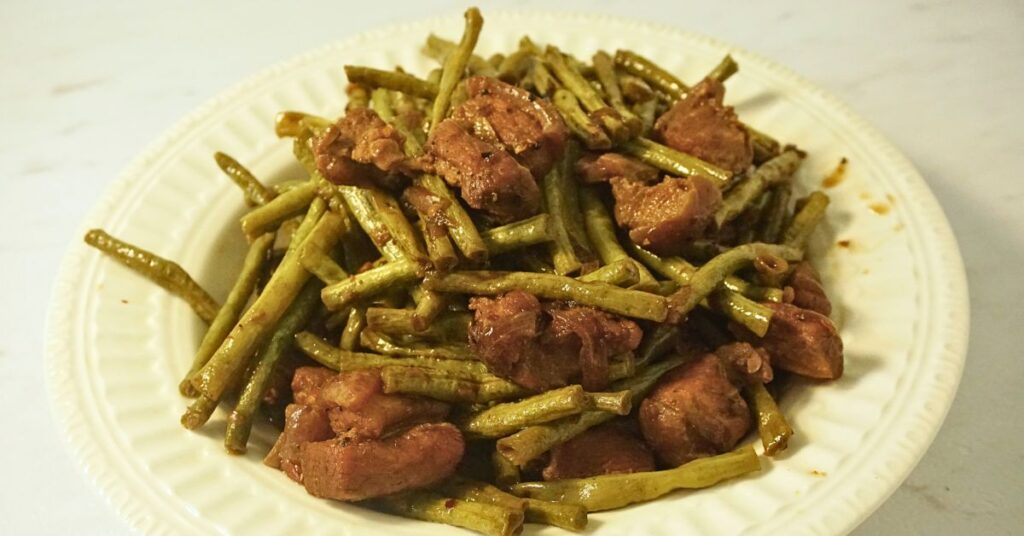
Instead of letting them go to waste, I turned them into Adobong Sitaw with a little pork belly I had left.
I’ve made this dish plenty of times, especially when I want something hearty, flavorful, and easy on the budget. Every single time, it delivers.
Tender pork, crisp-tender beans soaking up that savory adobo sauce, all coming together into one satisfying dish.
What I love most about Adobong Sitaw is how simple it is.
You don’t need a ton of ingredients, and the cooking steps are straightforward.
It’s one of those dishes you can whip up even on a busy weeknight.
As long as you have soy sauce, vinegar, garlic, and some pork, you’re all set.
And let’s be real, it’s even better with a steaming bowl of rice on the side!
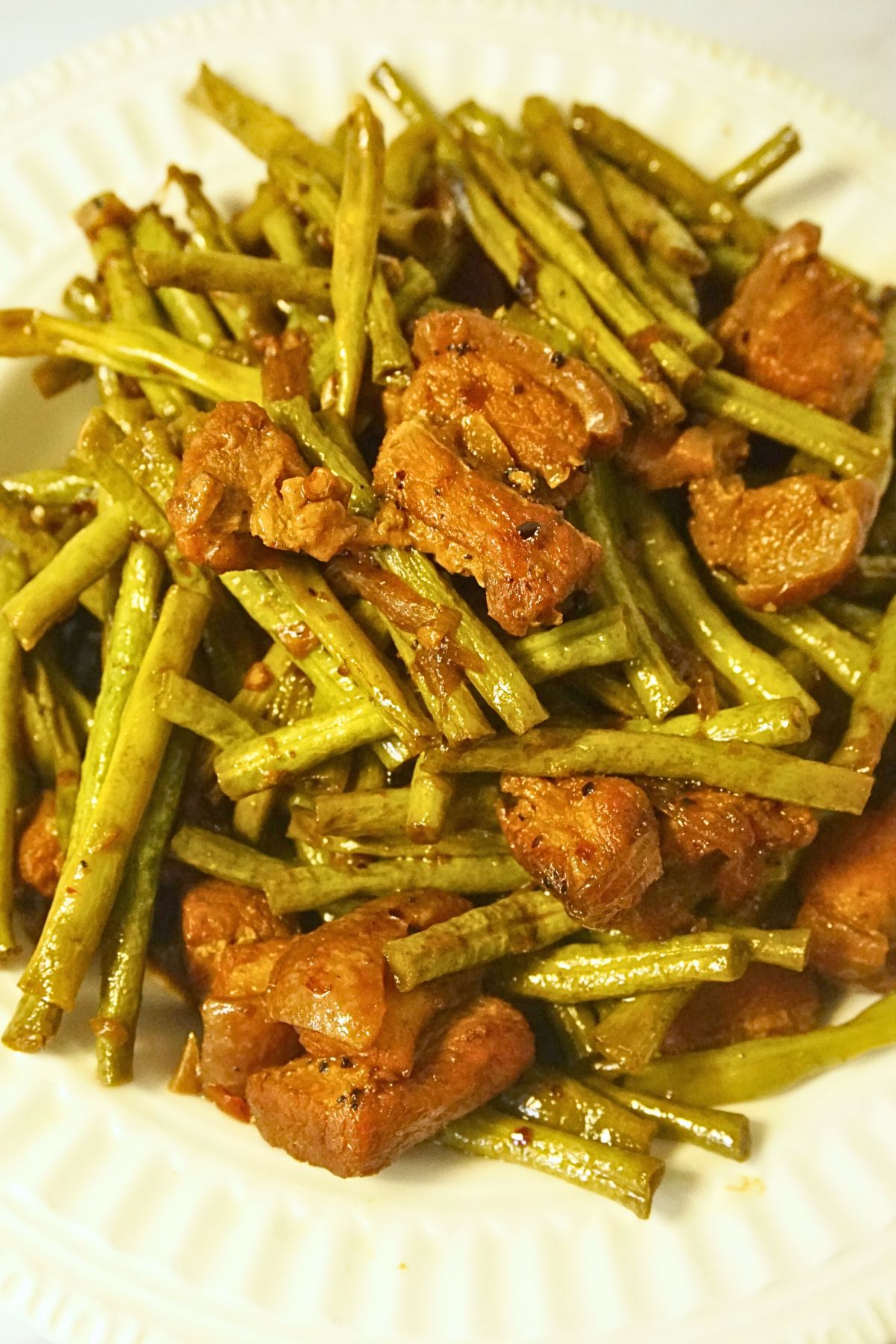
What is Adobong Sitaw?
I’m not sure if everyone cooks this the same way, but as a dad who’s always thinking about the budget and still wants something tasty, Adobong Sitaw is a lifesaver.
It’s a simple Filipino dish with green beans and pork simmered in soy sauce, vinegar, garlic, and onion.
Nothing fancy, just good, satisfying flavor every time.
This is one of my go-to meals when I want something filling and tasty without spending a lot or staying in the kitchen too long.
The beans soak up all that savory adobo sauce, and the pork adds a nice, meaty bite. Serve it with hot rice and you’re good to go. And honestly, it’s even better the next day. If you love adobo, this version with veggies is a fresh change but still has that same familiar taste.
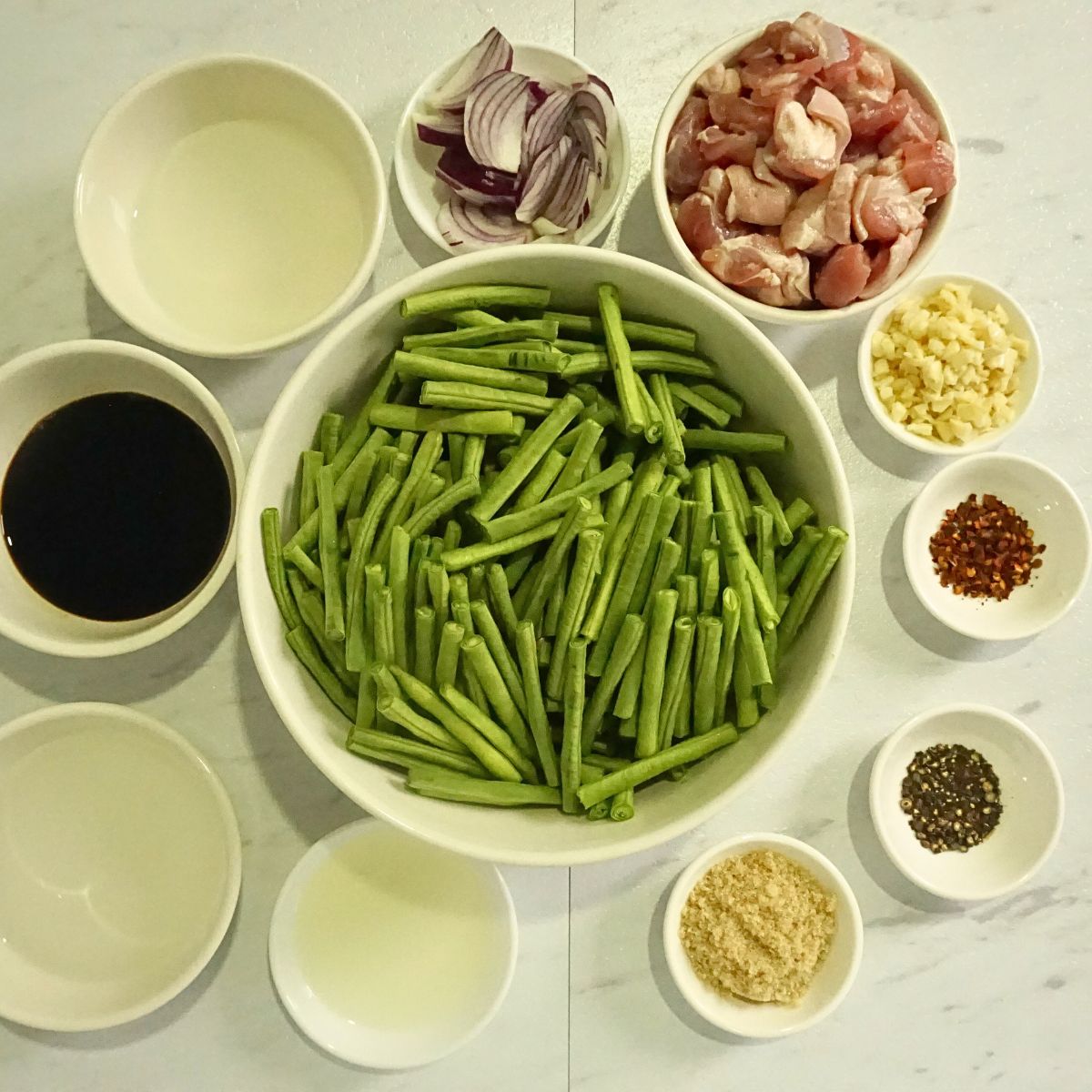
Why You’ll Love This Recipe
There’s a lot to love about this dish, especially if you’re looking for something quick, flavorful, and budget-friendly. It comes together fast, and chances are, you already have most of the ingredients in your pantry. The green beans give it that fresh veggie goodness, while the pork brings richness and a satisfying bite.
One of my favorite things about Adobong Sitaw is that it actually tastes even better the next day. I’ve packed it for lunch plenty of times, and the flavors just get deeper and richer. It’s perfect for busy weeknights, wallet-friendly meals, or those moments when you just want something simple yet full of flavor on the table.
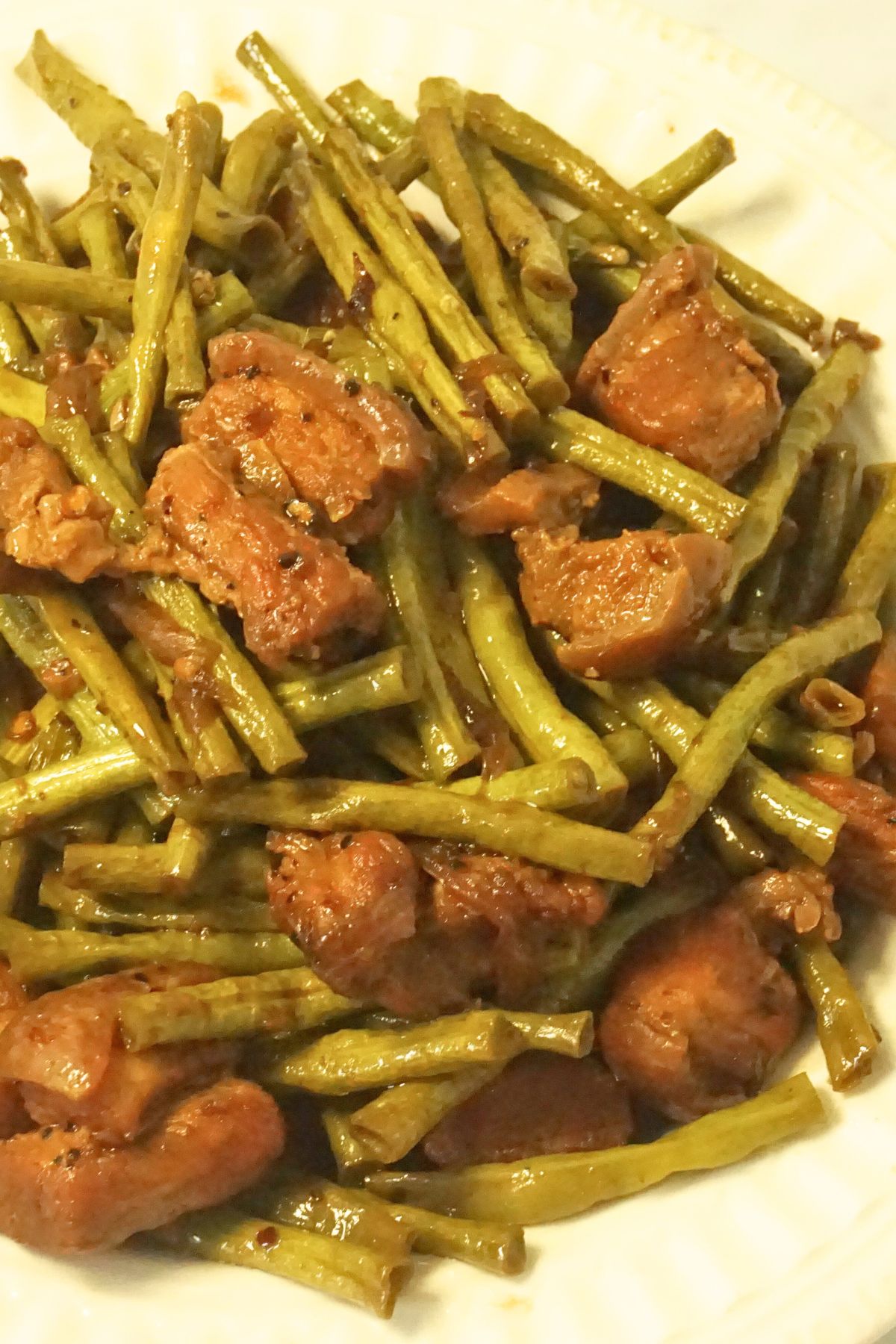
Adobong Sitaw Ingredients
Sitaw
Cut into shorter pieces so they cook evenly and stay slightly crisp
Pork belly or shoulder
Cut into small cubes, just enough to give flavor and linamnam
Garlic
Lots of it, minced finely for that classic adobo aroma
Onion
Sliced thinly to add a hint of sweetness to the dish
Soy sauce
Gives the dish its salty, savory adobo base
Vinegar
Adds that signature adobo tang
Water
Helps simmer the pork and soften the sitaw
Brown sugar
Optional, but it balances the saltiness and adds a hint of sweetness
Black pepper
Rounds out and deepens the flavor
Cooking oil
For browning the pork and sautéing the aromatics
Chili flakes or siling labuyo
Optional, if you want to add a bit of spice
How to Cook Adobong Sitaw
1. Brown the Pork
Start by heating some oil in a wide pan. Add the pork and cook it over medium heat until it starts to brown and release its fat. This usually takes about 6 to 8 minutes, depending on the cut.
2. Sauté the Garlic and Onion
Once the pork is browned, add in the garlic and onion. Let them cook until the onion becomes soft and everything smells fragrant. This step gives the dish a nice savory base.
3. Add the Sauce
Pour in the soy sauce, vinegar, and water. Just a tip, don’t stir it yet. Let it boil for about 2 minutes first to cook off the strong, raw vinegar taste.
4. Simmer the Pork
After it boils, give everything a good stir. Add black pepper and a bit of brown sugar if you like a touch of sweetness. Let the pork simmer for around 10 minutes, or until it becomes tender.
5. Add the Sitaw
Now it’s time to add the sitaw. Stir them into the sauce and let it cook uncovered for another 5 to 7 minutes. You want the string beans to be cooked but still bright green with a little crunch.
6. Taste and Adjust
Before serving, taste the sauce. You can adjust the saltiness by adding more soy sauce, or the sourness with a splash of vinegar. If you like a bit of heat, this is the time to sprinkle in some chili flakes or chopped siling labuyo.
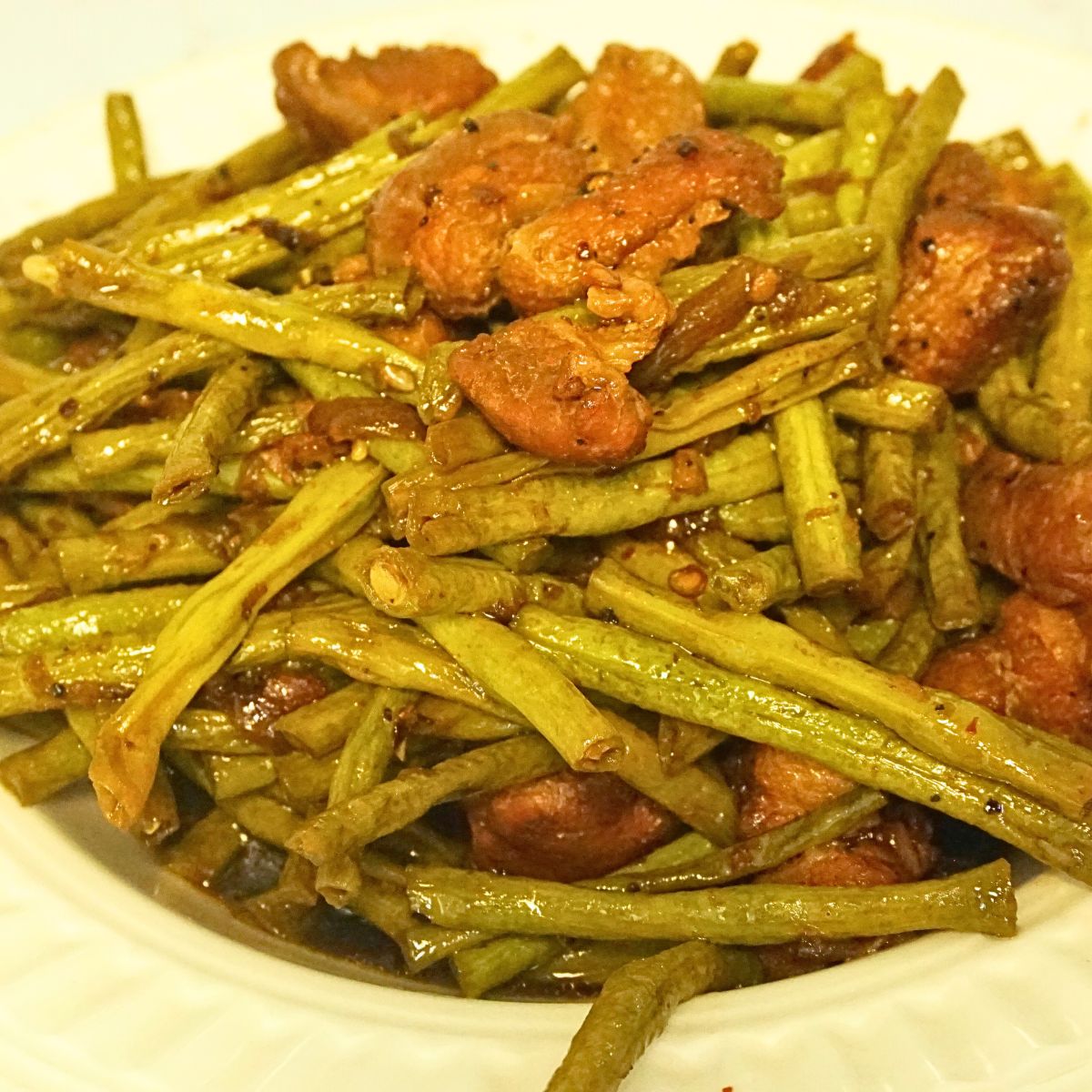
My Tips for Best Results
This is a very forgiving recipe, but a few little adjustments can help make it even better every time you cook it.
- Don’t overcook the sitaw, it’s best when it still has a slight crunch
- Let the vinegar boil before stirring so you don’t end up with a harsh sour taste
- Add a bit of water if the sauce dries up too fast while simmering
- A bay leaf isn’t required, but if you have one, it adds a nice extra aroma
You can also use ground pork or even shrimp if you’re in the mood for something different
More Vegetable Recipes to Try
Looking for more healthy and delicious ulam ideas? Try these easy vegetable recipes:
Ginisang Ampalaya – A bitter yet tasty dish made better with egg and sahog
Ginisang Monggo Recipe with Pork – A hearty, nutty stew with pork bits and malunggay
Ginisang Repolyo (Healthy Sautéed Cabbage) – Light, budget-friendly, and ready in minutes
Ginisang Upo Recipe – A soft and juicy gourd dish that’s simple and comforting
Chopsuey Recipe – A colorful mix of veggies with a savory sauce and your choice of meat
Frequently Asked Questions
Can I cook this without pork?
Yes, definitely. Just skip the pork and use the same method. You can also add fried tofu or boiled egg if you want something extra on the side.
Any variety works, but I usually go for the long, local sitaw. Just make sure to cut them into even pieces so they cook properly and stay crisp.
Yes. Kalabasa, carrots, or even eggplant can be added. Just adjust the cooking time depending on which one you use.
It can last up to 3 days in an airtight container. Just reheat it gently in a pan so the sitaw doesn’t turn too soft.
Adobong Sitaw
Ingredients
- 500 grams sitaw string beans, cut into 2 to 3-inch pieces
- 300 grams pork belly or pork shoulder sliced into small cubes
- 6 cloves garlic minced
- 1 medium onion sliced
- ½ cup soy sauce
- ¼ cup vinegar
- ½ cup water
- 1 tablespoon brown sugar optional for slight sweetness
- 1 teaspoon ground black pepper
- 2 tablespoons cooking oil
- Chili flakes or siling labuyo optional for spice
Instructions
- Heat oil in a pan over medium heat. Add the pork and sauté until browned and starting to render fat, about 6–8 minutes.
- Add garlic and onions. Sauté until fragrant and the onions are soft.
- Pour in the soy sauce, vinegar, and water. Do not stir yet. Let it boil for about 2 minutes to cook off the vinegar’s strong taste.
- Once boiling, stir everything together. Add black pepper and brown sugar (if using). Simmer for about 10 minutes, or until the pork is tender.
- Add the sitaw. Stir and simmer uncovered for another 5–7 minutes, or until the string beans are tender but still bright green.
- Taste and adjust saltiness or sourness as needed. Add chili if you want some heat.
- Serve hot with steamed rice.
Notes