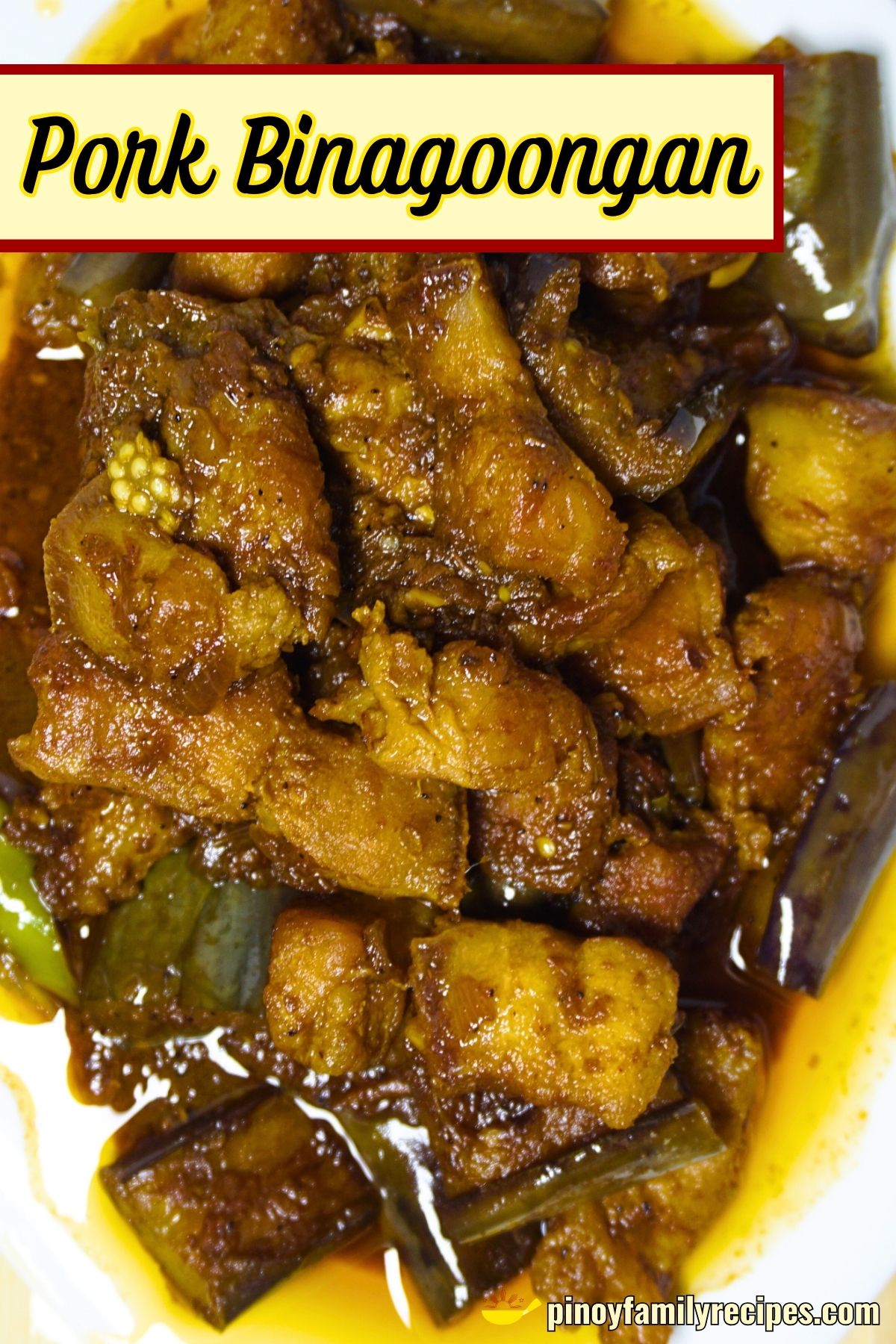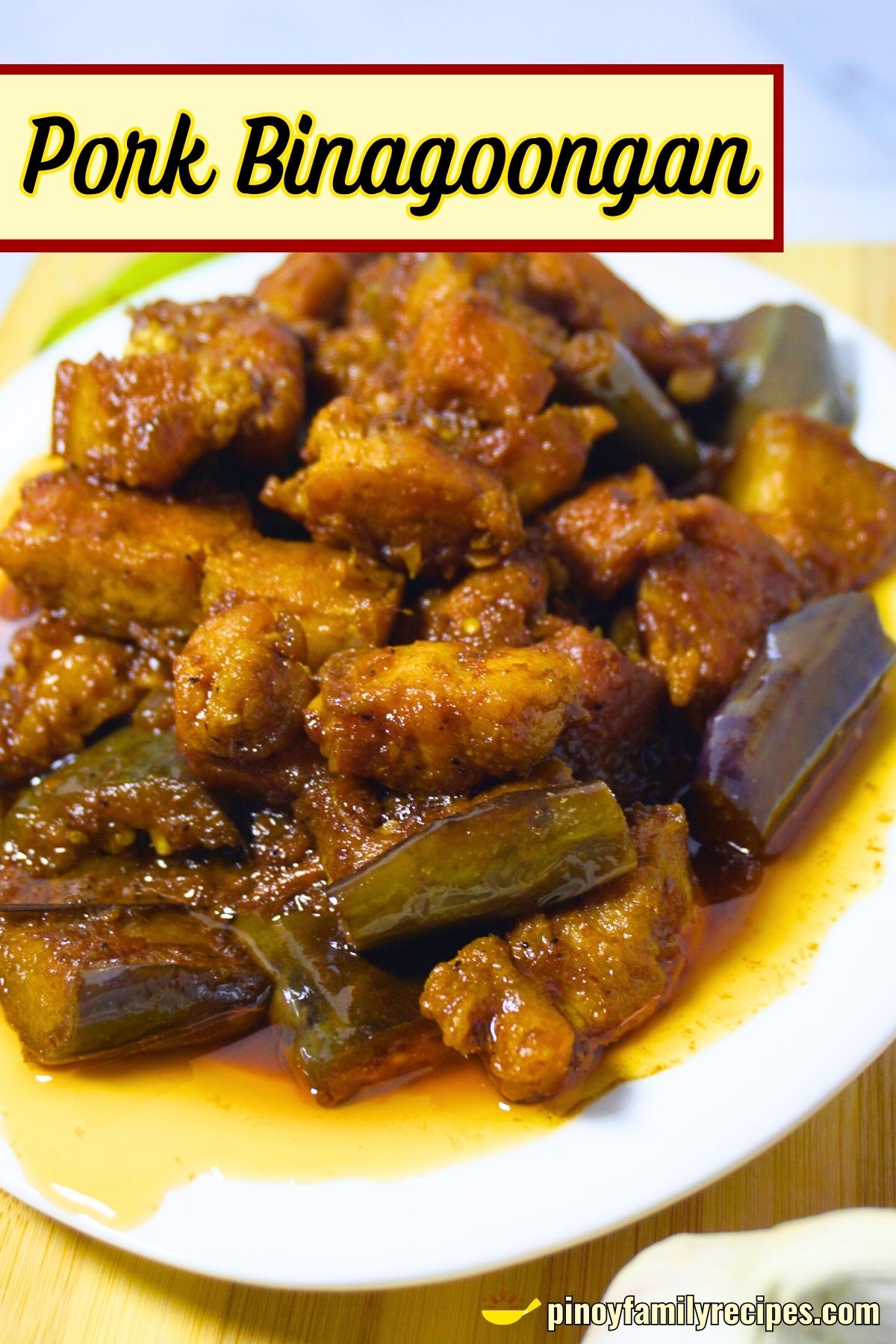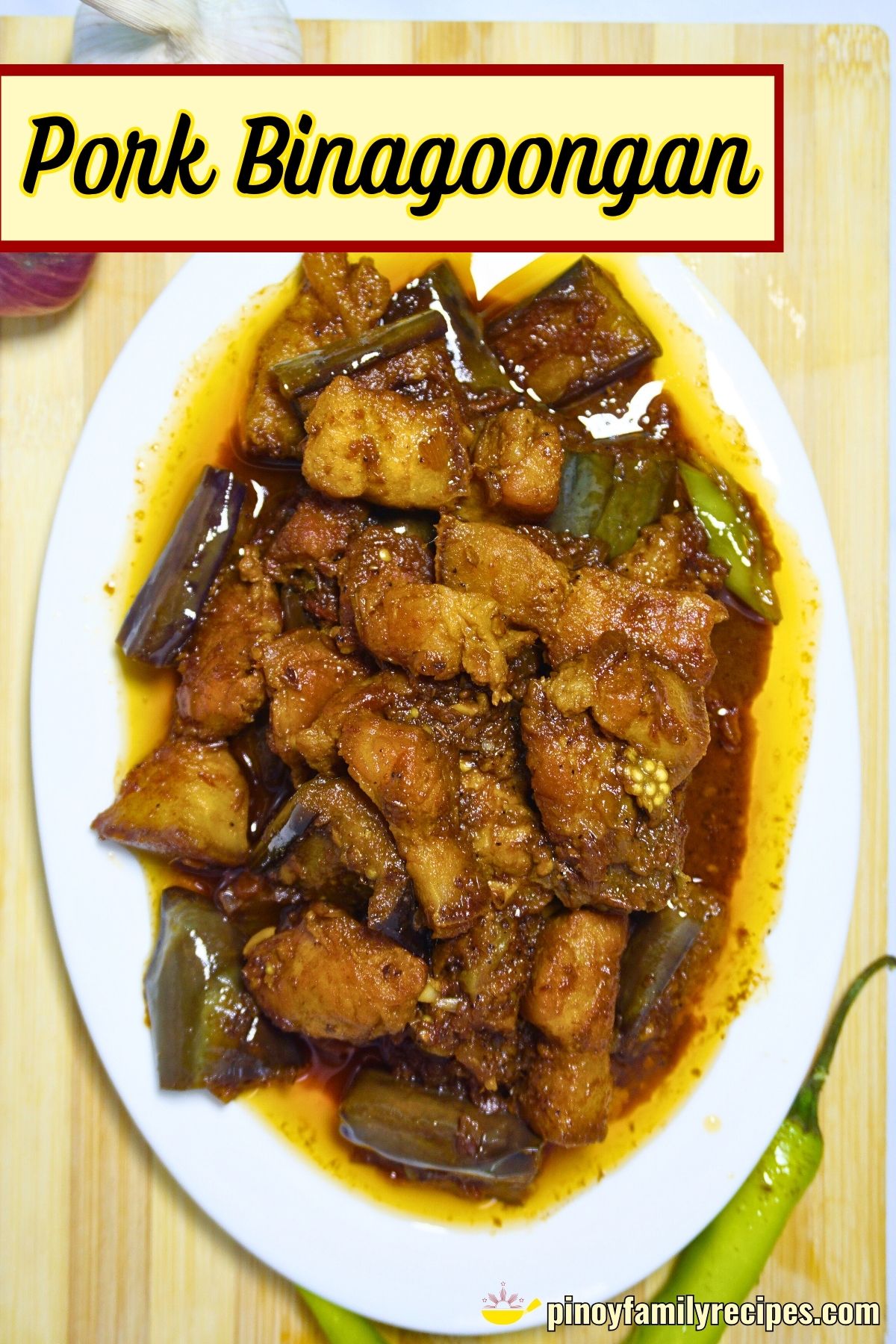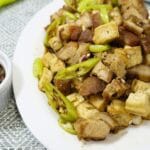
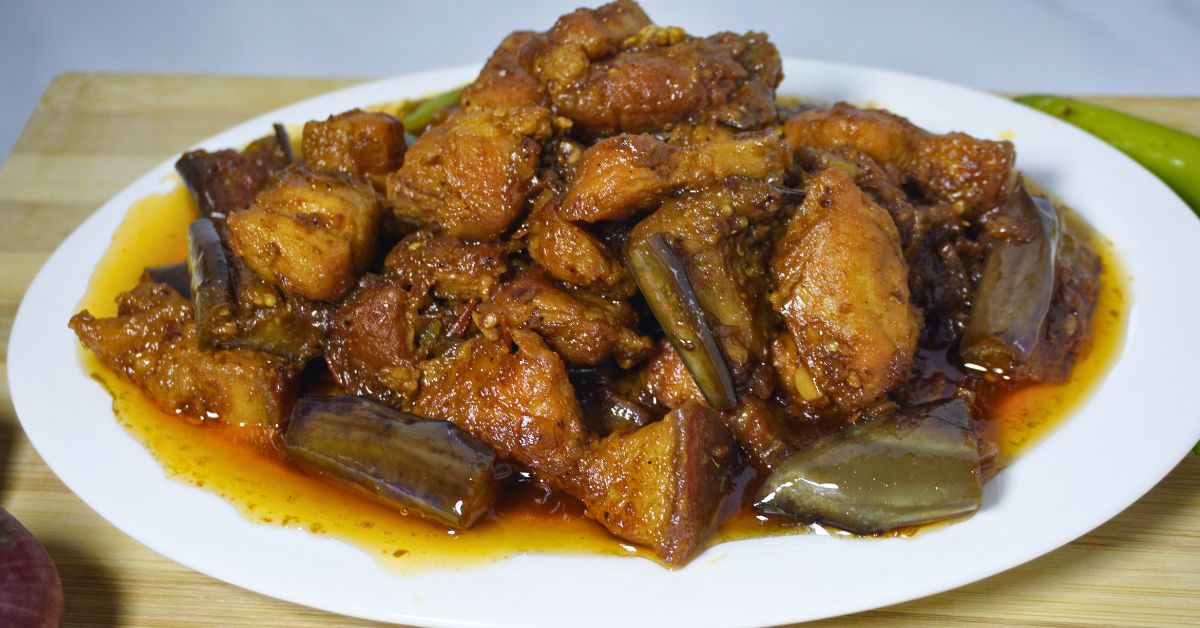
When you’re craving something bold and comforting, Pork Binagoongan hits the spot every time.
The rich, salty bagoong mixed with tender pork belly creates a flavor combo that’s hard to beat the classic Filipino comfort food at its finest.
I know not everybody is fond of shrimp paste but trust me, this one might just change your mind.
Growing up, I always knew it was going to be a good day when I smelled the shrimp paste cooking in the kitchen.
My lola made it best, simple, no-fuss, but full of flavor.
Now that I cook it for my own family, I’ve come up with an easy version that still brings that same sarap.
If you’ve got pork belly, shrimp paste, and some basic pantry staples, you’re all set.
Serve it with hot rice, maybe even some fried eggplant on the side, and you’ve got a meal that’s sure to impress.
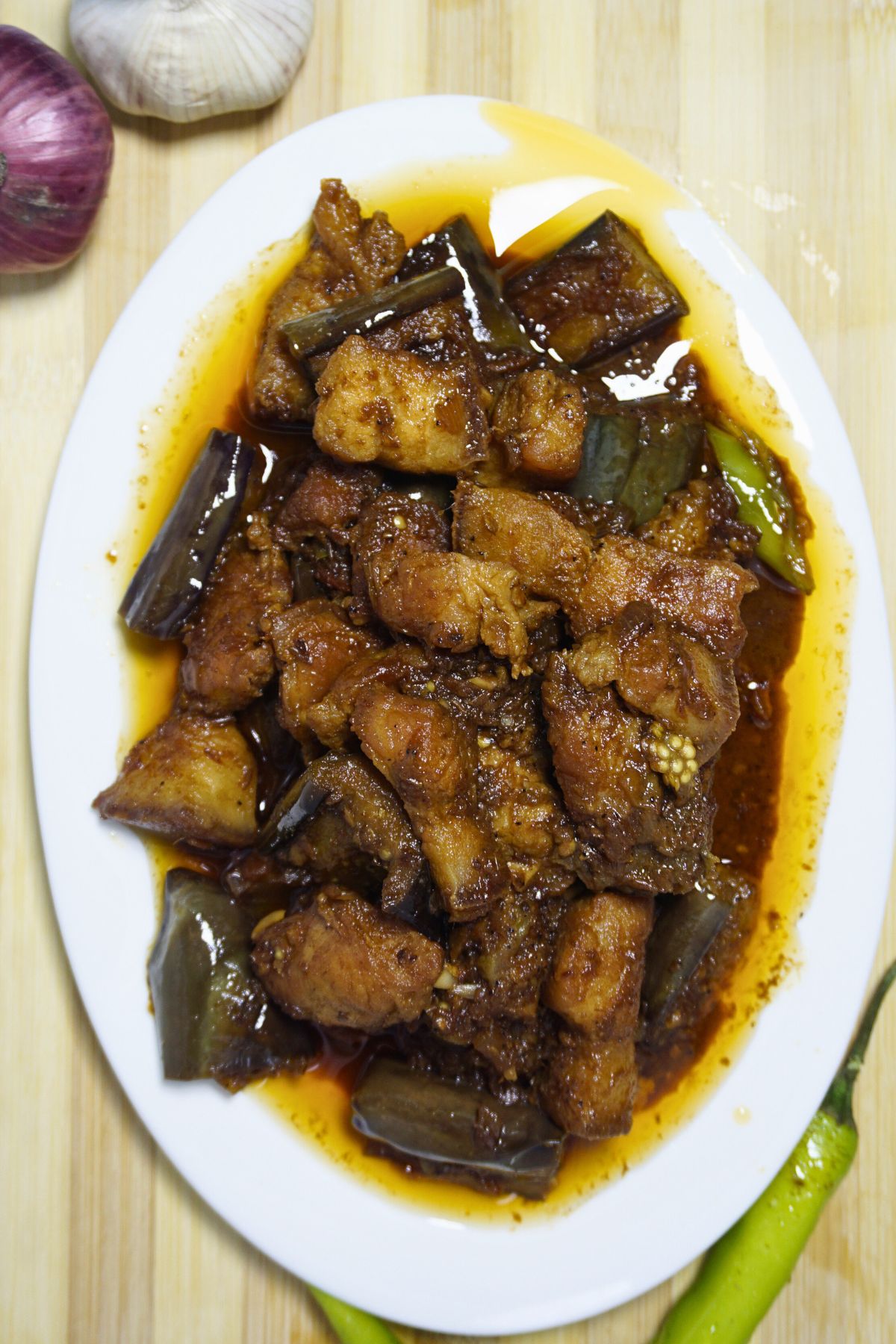
Why Pork Binagoongan?
Pork Binagoongan hits the sweet spot between savory, salty, and slightly sweet with that deep umami kick from bagoong alamang (sautéed shrimp paste).
The pork belly is rich and tender, and the eggplant soaks up all that flavorful sauce, adding a creamy texture that ties everything together. It’s one of those dishes that practically demands an extra cup of rice.
I remember being a bit hesitant the first time I cooked it shrimp paste can be intimidating if you’re not used to it.
But once you get the hang of balancing the bold flavors with a bit of sugar, vinegar, and tomatoes, it all comes together.
Now, it’s a regular in our kitchen. It’s hearty, satisfying, and surprisingly easy to make once you know the rhythm.
Pork Binagoongan vs Bicol Express – What’s the Difference?
I love cooking these two dishes and you don’t have to be confused between the two!
1. Main Ingredients
- Pork Binagoongan: The primary ingredient that sets Pork Binagoongan apart is the bagoong alamang (sauteed shrimp paste). It’s the dominant flavor, giving the dish its salty, umami-rich taste. Eggplant is also commonly added.
- Bicol Express: This dish is known for its combination of coconut milk and siling labuyo (bird’s eye chili), making it creamy and spicy. It also uses bagoong alamang, but the coconut milk and chilies make it distinctively richer and spicier.
2. Flavor
- Pork Binagoongan: The flavor is predominantly salty and savory due to the shrimp paste, balanced with a little sweetness and tang from sugar and vinegar.
- Bicol Express: Bicol Express is creamy and spicy, with a well-balanced mix of salty (from the shrimp paste), rich (from the coconut milk), and spicy (from the chilies).
3. Heat Level
- Pork Binagoongan: It is typically mild, though some versions add a bit of green chili for slight heat, but it’s not traditionally spicy.
- Bicol Express: Spiciness is a defining feature of Bicol Express, thanks to the chilies, making it much hotter than Pork Binagoongan.
4. Regional Origin
- Pork Binagoongan: It’s a popular dish throughout the Philippines, but doesn’t have a specific regional identity.
- Bicol Express: This dish comes from the Bicol region, known for its love of spicy food and use of coconut milk in many dishes.
5. Texture
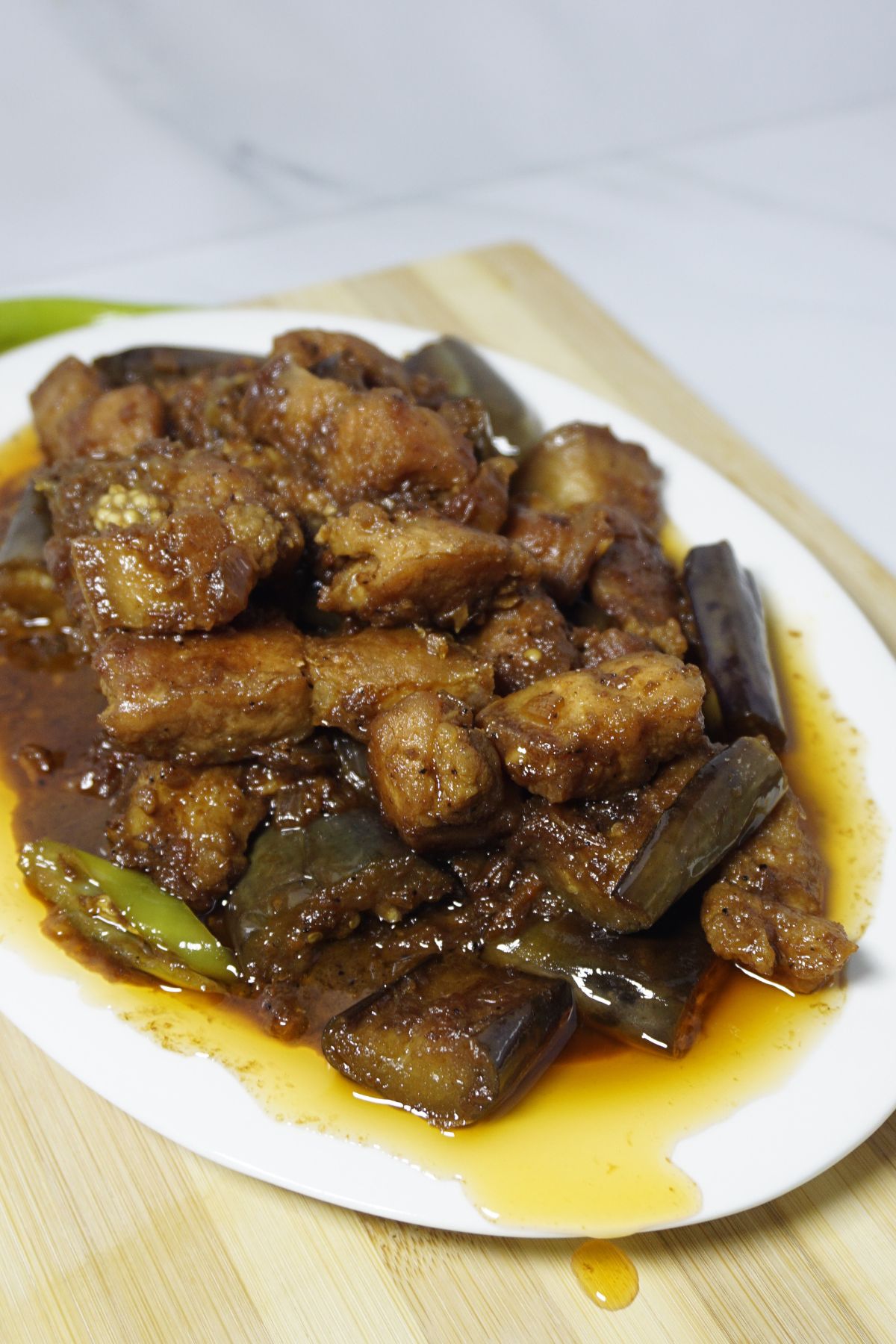
- Pork Binagoongan: The dish has a dry, saucy consistency with chunks of pork and eggplant coated in shrimp paste.
- Bicol Express: The coconut milk creates a creamy sauce that thickly coats the pork, with a richer and smoother texture.
You can check my very own Bicol express recipe too!
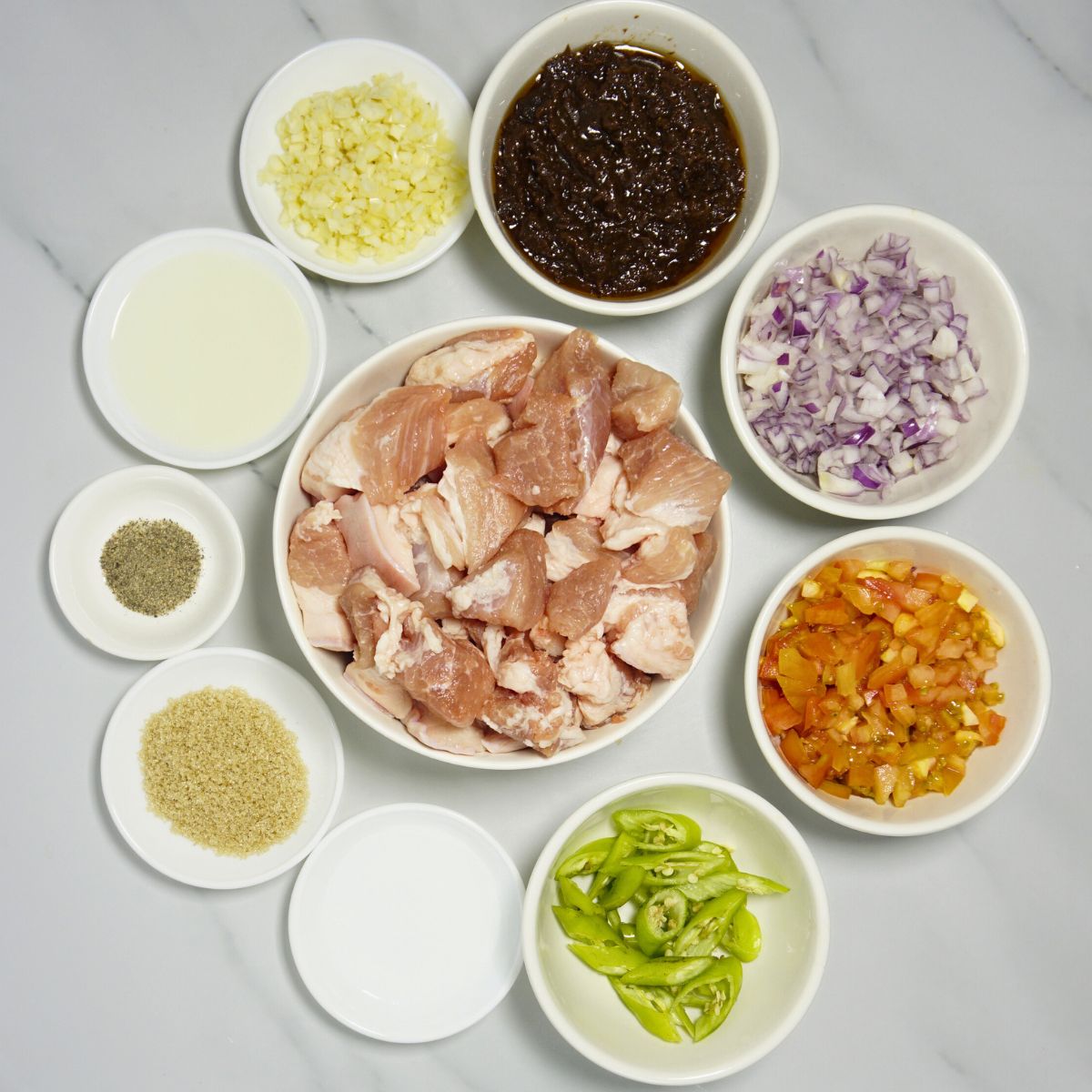
Pork Binagoongan Ingredients
Pork Belly
Pork belly is fatty, tender, and full of flavor. Browning it releases natural oils that enhance the taste of the entire dish.
Garlic, Onion, and Tomatoes
This trio builds the base flavor. Garlic adds aroma, onions bring sweetness, and tomatoes give a slight tang that balances the saltiness of the bagoong.
Bagoong Alamang (Sautéed Shrimp Paste)
Provides the bold, umami flavor. It’s salty, savory, and a little goes a long way.
Vinegar and Brown Sugar
Vinegar cuts through the richness, while brown sugar softens the salty edge of the bagoong, creating a balanced taste.
Black Pepper and Long Green Chili (optional)
Black pepper adds mild heat, and long green chili gives a spicy kick if you like it hot.
Eggplant
Fried until soft and golden, eggplant soaks up the sauce, making each bite extra flavorful.
Salt
Use just enough to enhance the flavors, but go easy since the bagoong is already salty.
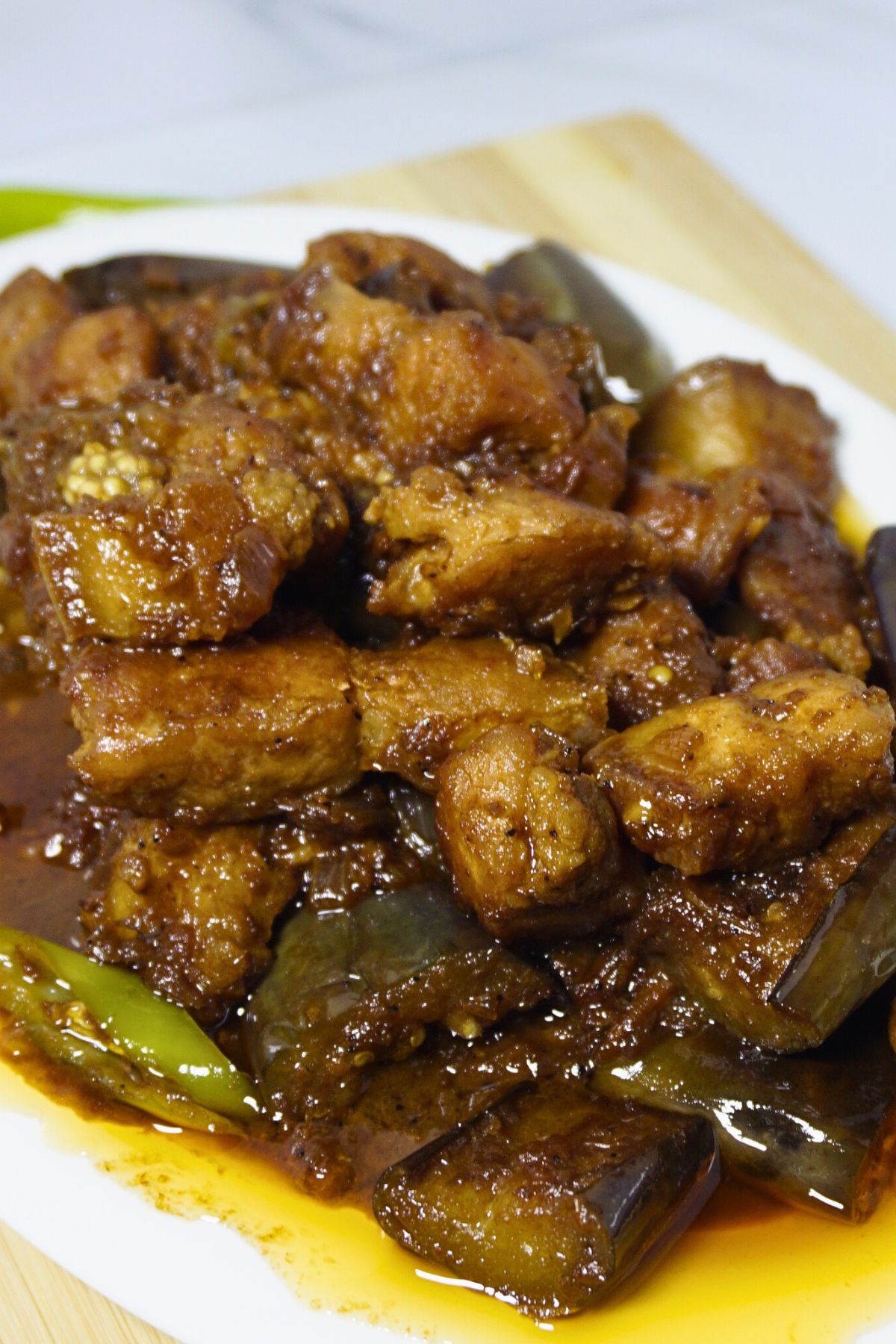
How to Cook Pork Binagoongan – Step by Step
1. Brown the Pork
Heat a pan over medium heat. Add the pork belly and cook until browned and the fat comes out, about 5 to 8 minutes. Stir from time to time to brown all sides. Set the pork aside. Keep the oil in the pan.
2. Fry the Eggplant
In the same pan and oil, fry the sliced eggplants until golden brown on all sides. Remove and set aside.
3. Sauté Aromatics
Still using the same pan, sauté garlic until fragrant. Add onions and cook until soft. Then add the tomatoes and cook until soft and juicy, about 3 to 4 minutes.
4. Add the Bagoong
Stir in the shrimp paste (bagoong). Let it cook for 3 to 4 minutes so the flavors combine well.
5. Add Vinegar, Sugar, and Pepper
Sprinkle in some brown sugar and black pepper to balance the saltiness. Pour in the vinegar. Let it simmer for 2 minutes without stirring so the vinegar cooks off.
6. Simmer the Pork
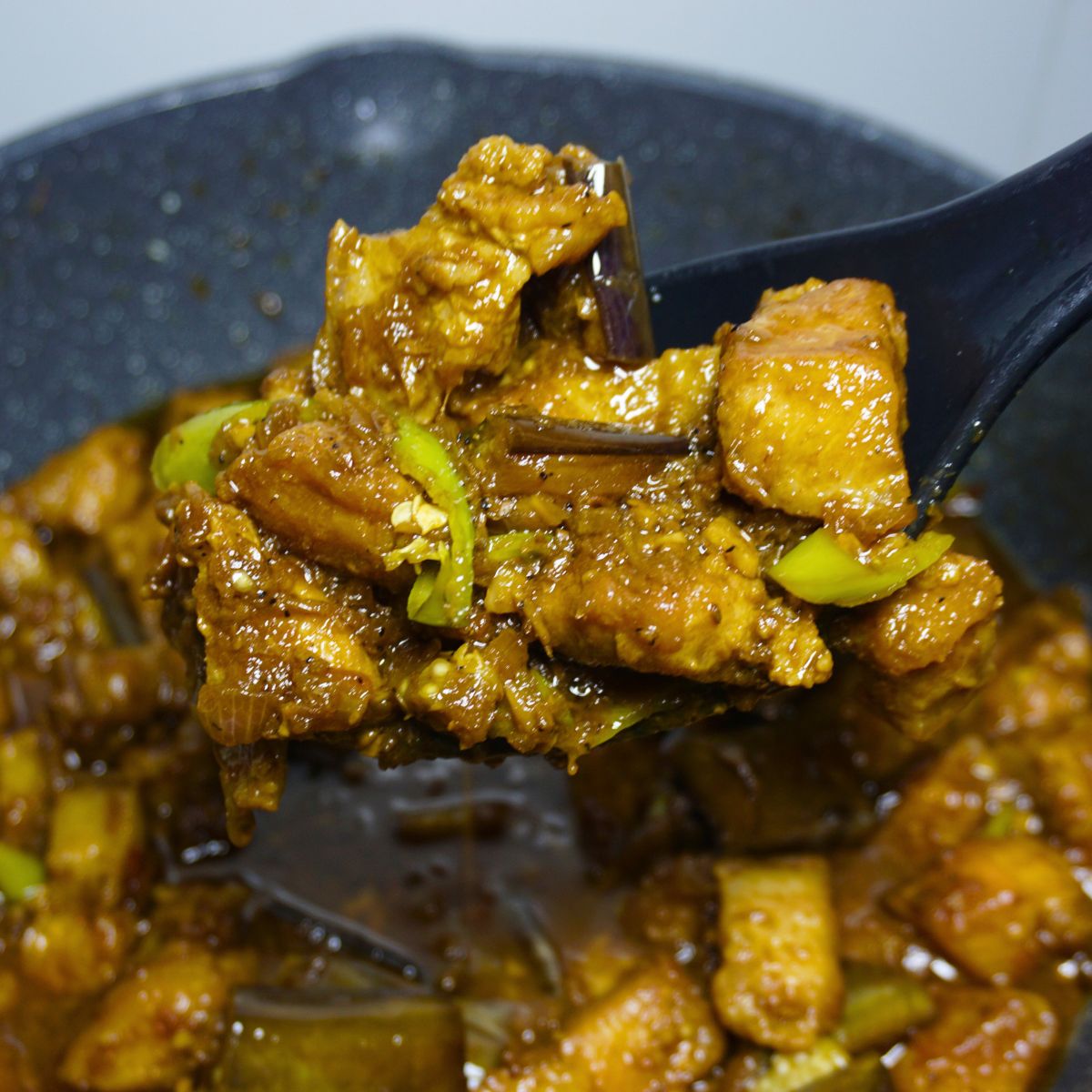
Put the browned pork back into the pan. Mix it well with the sauce. Cover and simmer on low heat for 20 to 25 minutes until the pork is tender. Stir once in a while. If it gets too dry, you can add a bit of water.
7. Add Eggplant and Chili
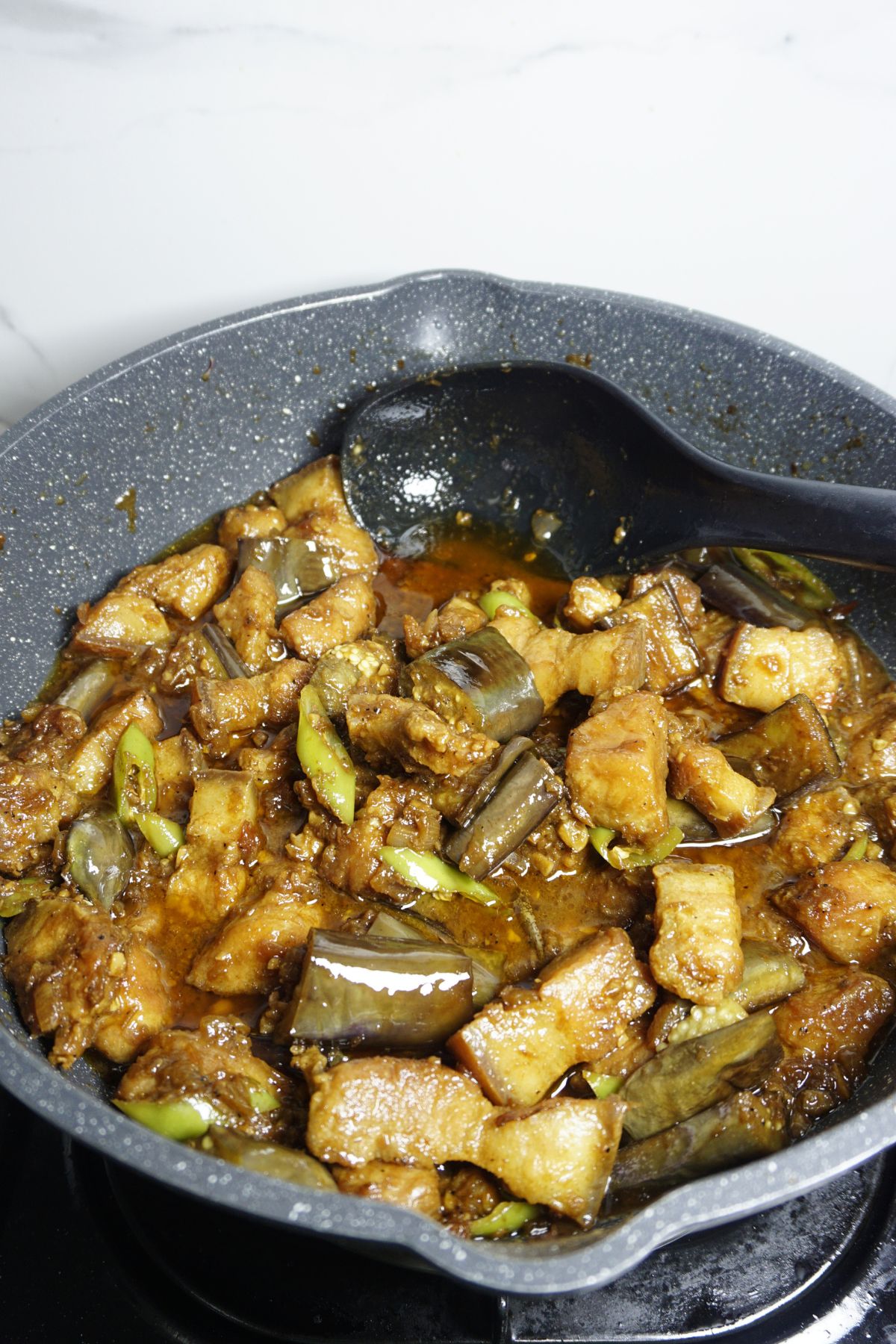
Once the pork is soft, add back the fried eggplant. If you want it spicy, add green chilies. Cook for another 5 to 7 minutes so everything soaks in the sauce.
8. Taste and Adjust
Taste the sauce. Add more sugar or salt if needed. Let it cook for another 1 to 2 minutes.
9. Serve
Transfer to a serving plate and enjoy with hot rice. Make sure to scoop some of that rich, savory sauce on top!
Tips for Cooking Pork Binagoongan
Here are a few tips I’ve learned from experience to make sure your Pork Binagoongan turns out perfect every time:
- Use pork belly for the best flavor and texture. The fat from the pork belly gives the dish richness and makes the sauce even more delicious.
- Balance is key. Bagoong is very salty, so make sure to adjust the sugar and vinegar to create that perfect sweet and tangy balance.
- Fry the eggplants separately. This gives them a nice golden-brown color and allows them to soak up the sauce without becoming mushy.
- Simmer the pork low and slow. This ensures the pork is tender and flavorful. If you rush this step, the pork might turn out tough.
Try These Pork Recipes Too!
Looking for more pork dishes to enjoy with rice? Here are a few delicious Filipino recipes you should try next:
Pork Adobo – A classic dish with soy sauce, vinegar, garlic, and bay leaves.
Pork Menudo – Tomato-based stew with pork, liver, hotdogs, and veggies.
Pork Sinigang – A tangy tamarind soup that’s perfect on rainy days.
Pork Bopis – Spicy and flavorful dish made from pork lungs and heart.
Pork Dinuguan – Rich and savory pork blood stew that goes so well with puto.
Frequently Asked Questions
For this dish, I recommend using sauteed shrimp paste (bagoong alamang). It’s already cooked and has a milder, more balanced flavor than raw shrimp paste.
While pork belly is ideal for its fat content, you can also use pork shoulder or pork butt. Just keep in mind that leaner cuts might not be as tender or flavorful.
Yes! Frying the eggplants gives them a better texture and allows them to absorb the sauce without becoming too soft or mushy.
Let the pork simmer in the sauce for at least 25-30 minutes, or until it’s tender. The longer it simmers, the more flavorful the pork will be.
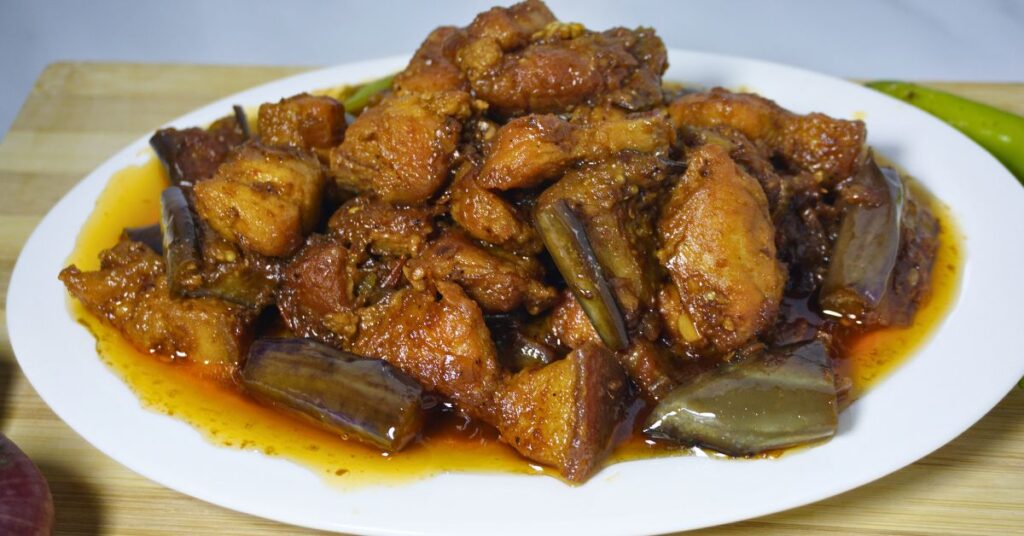
Binagoongang Baboy
Ingredients
- 2 tbsp Cooking Oil
- 800 grams Pork Belly (cut into cubes)
- 8 cloves Garlic (minced)
- 1 piece Onion (diced)
- 3 pcs Tomatoes (diced)
- 200 grams Bagoong Alamang (sauteed shrimp paste)
- 1 tbsp Vinegar
- 1 tbsp Brown Sugar (adjust to your taste)
- 1/2 tsp Black Pepper
- 1-2 pcs Long Green Chili (optional)
- 4 pcs Eggplant (cut into 2 inch)
- 1 cup Water
- Salt (to taste)
Instructions
- In a pan, heat 2 tbsp of cooking oil over medium heat. Add the cubed pork belly and cook until browned and the fat starts to render. This usually takes about 5-8 minutes. Remove and set aside.
- Do not remove the excess oil, use this to fry the eggplants until it turns golden brown. Remove from the pan, set aside and cut into 2 inch pieces.
- On the same pan add the minced garlic and sauté until fragrant. Then, add the diced onions and cook until they turn soft and translucent.
- Toss in the diced tomatoes and cook until they soften and release their juices, about 3-4 minutes.
- Stir in 200 grams of bagoong alamang (sauteed shrimp paste) and cook for another 3-4 minutes to allow the flavors to blend well.
- Add 1 tablespoon of brown sugar (adjust to according to your taste) along with 1/2 teaspoon of black pepper. Pour in 1 tablespoon of vinegar. Let it simmer for 2 minutes without stirring to allow the vinegar to cook off.
- Add 1 cup of water and bring the mixture to a simmer. Add the seared pork. Cover the pan, lower the heat, and cook for about 20-25 minutes, or until the pork becomes tender. Stir occasionally, adding more water if necessary.
- Once the pork is tender, add the fried eggplant and optional 1-2 pieces of long green chili. Let everything cook together for another 5-7 minutes to absorb the flavors.
- Check the taste and adjust with salt and sugar as needed. Let it cook for another minute or two.
- Transfer to a serving dish and enjoy your Pork Binagoongan with a steaming plate of rice!
Watch this!