
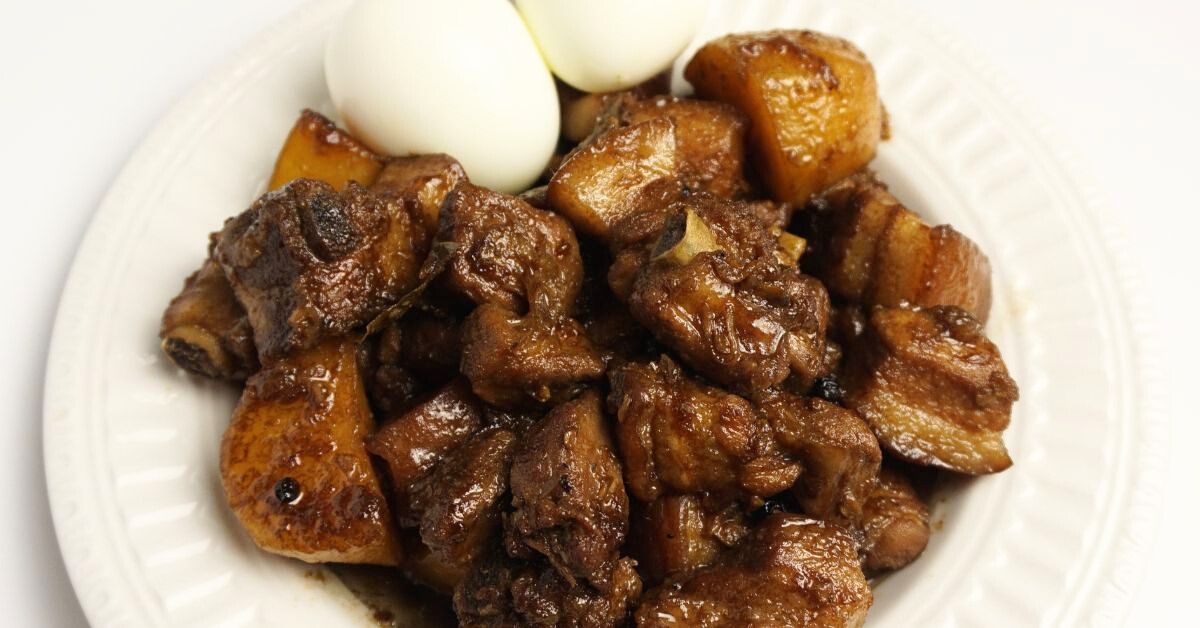
I’ve heard many foreigners who would come to visit the Philippines and were asked what is the dish that they are looking forward to tasting once they get here.
I know you will all agree that Adobo will never leave their list!
Well, who will not love adobo right?
Its rich blend of soy sauce, vinegar, and aromatic spices creates a symphony of flavors that captivates taste buds and holds a special place in every Filipino home.
Have you tried adobo yet?
Well here in the Philippines, we have different versions and we can use almost any ingredient to turn into adobo.
Adobong baboy, adobong manok, adobong sitaw and guess what?
Here in Pampanga we also have this delicacy which they call Adobong Kamaru!
But before we go farther, let me share with you first how to cook one of my son’s favorites – pork adobo!
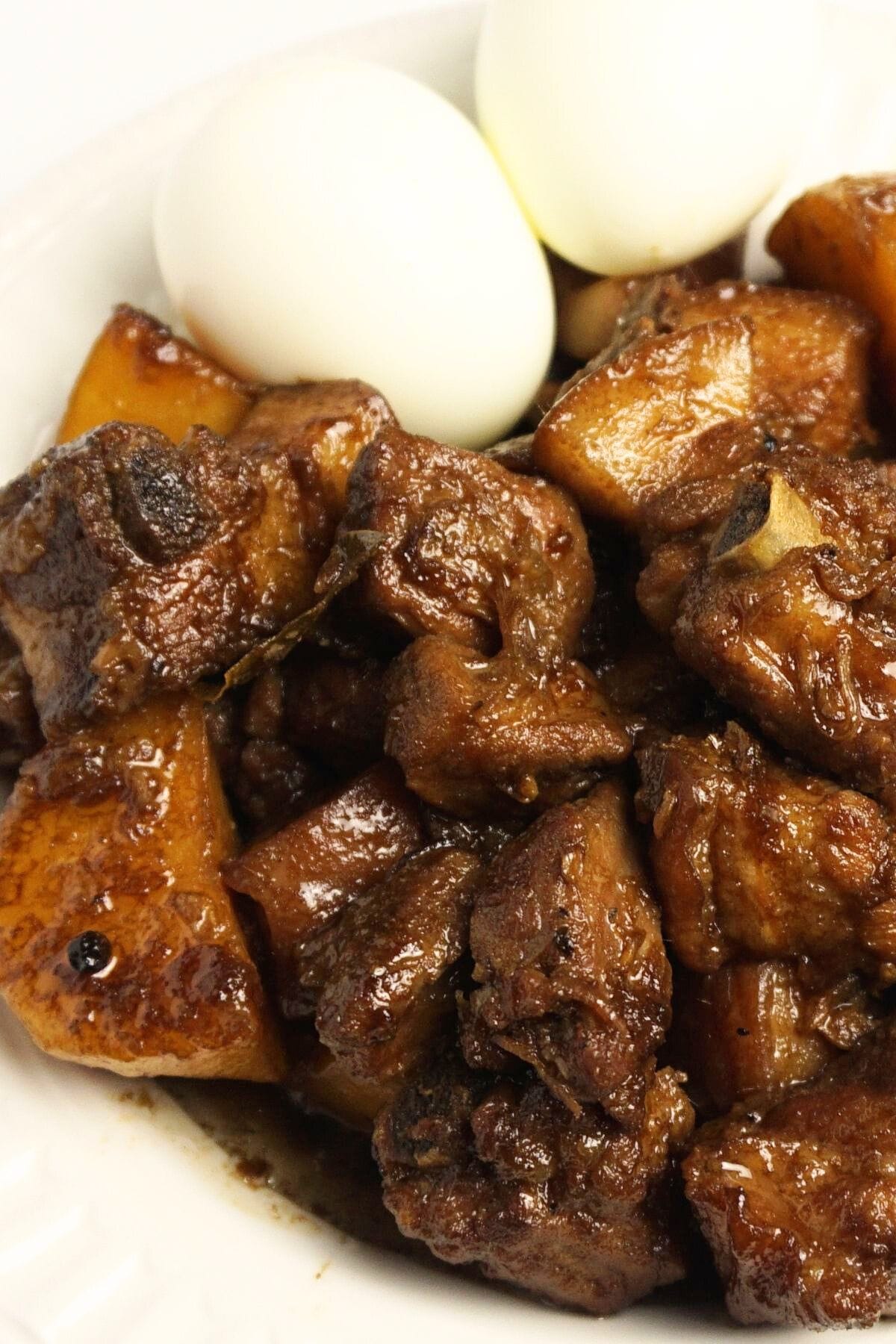
What is Adobo?
Adobo is one of the easiest and tastiest Filipino dishes you can make. Just simmer your favorite meat or veggies in soy sauce, vinegar, garlic, and spices.
That’s it.
It’s simple, packed with flavor, and your kitchen will smell amazing while it cooks. Give it a try. You’ll see why it’s a Pinoy favorite.
Brief history:
Adobo has been around since pre-colonial times.
Filipinos used vinegar, salt, and spices to flavor and preserve meat in the tropical heat.
When the Spanish came, they added garlic and bay leaves, helping shape the Adobo we know today.
Over the years, families made their own versions and passed them down. It’s more than just a dish.
It’s a part of Filipino identity and tradition.
Different Adobo Versions
Adobo comes in many versions across the Philippines.
In Luzon, it’s usually the classic soy sauce and vinegar mix, sometimes made creamy with coconut milk.
In the Visayas, it leans sweet and tangy with sugarcane vinegar and coconut aminos.
Down in Mindanao, they like it spicy with chilies and turmeric.
Whether you like it savory, sweet, or hot, there’s an Adobo style for every taste.
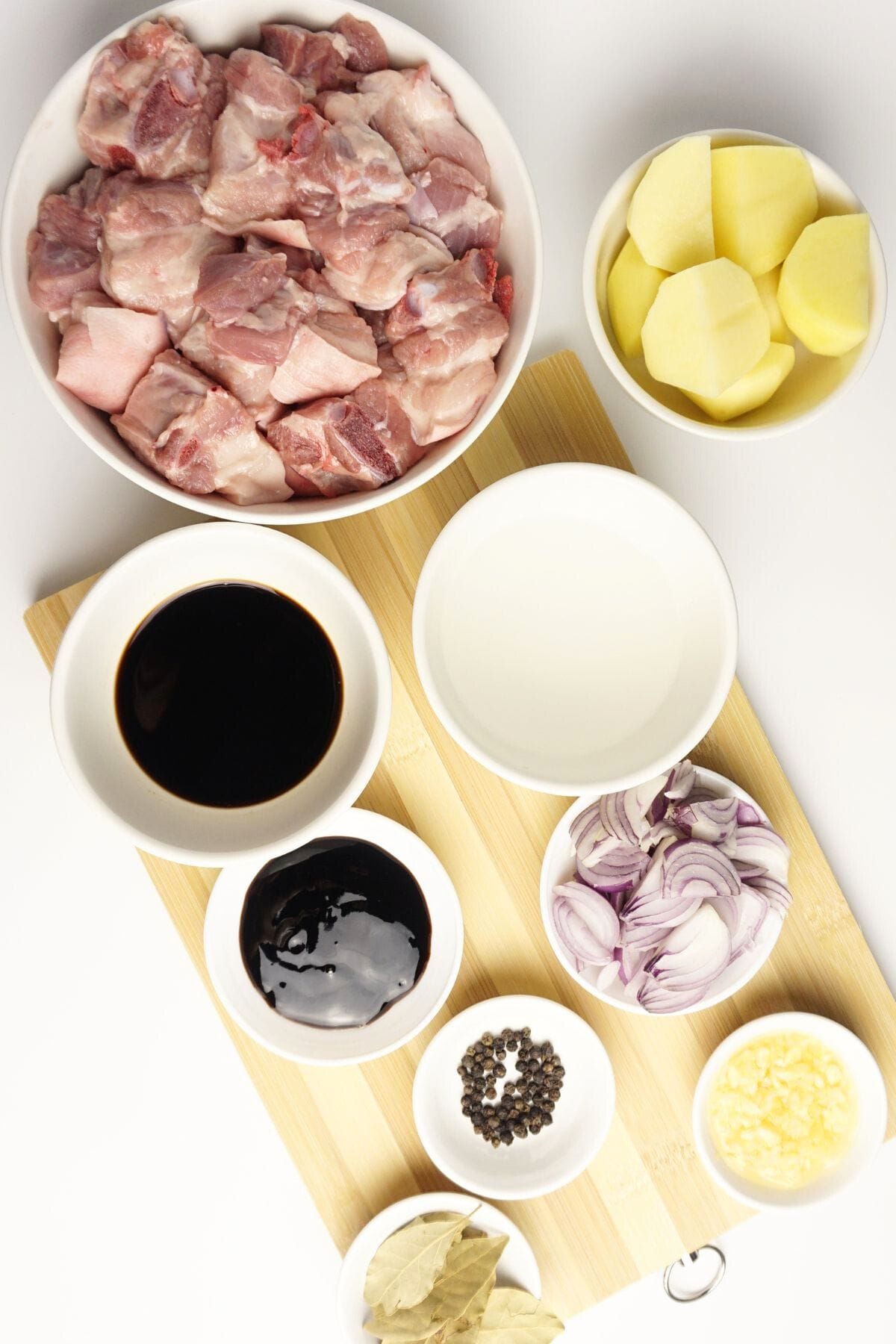
Pork Adobo Ingredients
Pork Adobo ingredients are always available in your pantry. I am sure you can cook this wonderful dish anytime of the day without having to rush to the supermarket or the wet market to complete your ingredients.
Here’s what you will need:
- Pork: Opt for approximately 1 kilogram of pork, ideally pork belly or shoulder, cut into bite-sized chunks for optimal flavor absorption.
- Soy Sauce: The secret weapon of Adobo – 6 tablespoons of your preferred soy sauce.
- Vinegar: Add a tangy kick with 4 tablespoons of white or cane vinegar.
- Oyster Sauce: Enhance the umami richness with 2 tablespoons of oyster sauce.
- Garlic: Crush or mince 6 cloves of garlic, because, let’s admit it, more garlic equals more goodness.
- Onion: Slice 1 large onion to add depth to the flavor profile.
- Bay Leaves: Infuse that distinctive Adobo aroma with 6 dried bay leaves.
- Whole Black Pepper: A tablespoon of whole peppercorns adds a peppery punch.
- Potatoes: Include 2 large potatoes, peeled and quartered, to complement the dish with a hearty starch component.
- Water: Approximately 1 cup to balance flavors and create the perfect sauce.
- Sugar: Optional, add a teaspoon of sugar to balance the acidity and enhance the overall flavor profile.
Now, get ready to turn these everyday ingredients into a Pork Adobo masterpiece that’ll have everyone asking for seconds!
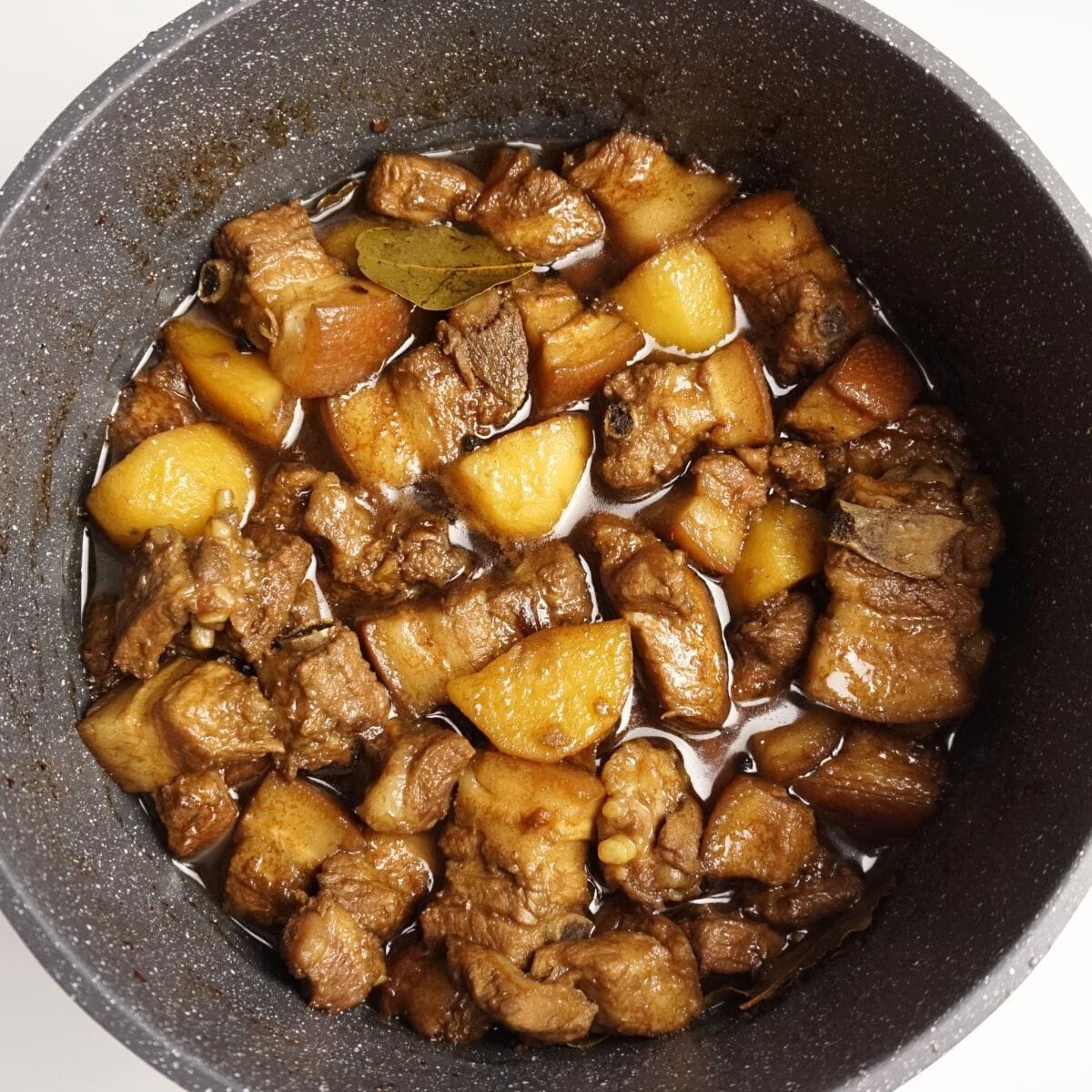
How To Cook Pork Adobo
1. Marinate the Pork
Combine pork, soy sauce, vinegar, and crushed garlic in a bowl. Mix well and marinate in the fridge for 1 hour.
2. Saute the Aromatics
Heat oil in a pot over medium heat. Saute garlic and onion until soft. Add the marinated pork (with marinade) and cook until lightly browned.
3. Add Vinegar
Pour in vinegar and let it simmer uncovered for a few minutes without stirring.
4. Season and Simmer
Add soy sauce and oyster sauce. Stir to coat the pork and simmer for 5 minutes.
5. Add Water and Potatoes
Pour in 1 cup of water. Cover and simmer until the pork is slightly tender. Add quartered potatoes and let them cook.
6. Finish Cooking
When potatoes are halfway cooked, add the remaining vinegar. Simmer until pork and potatoes are tender and the sauce thickens to your liking.
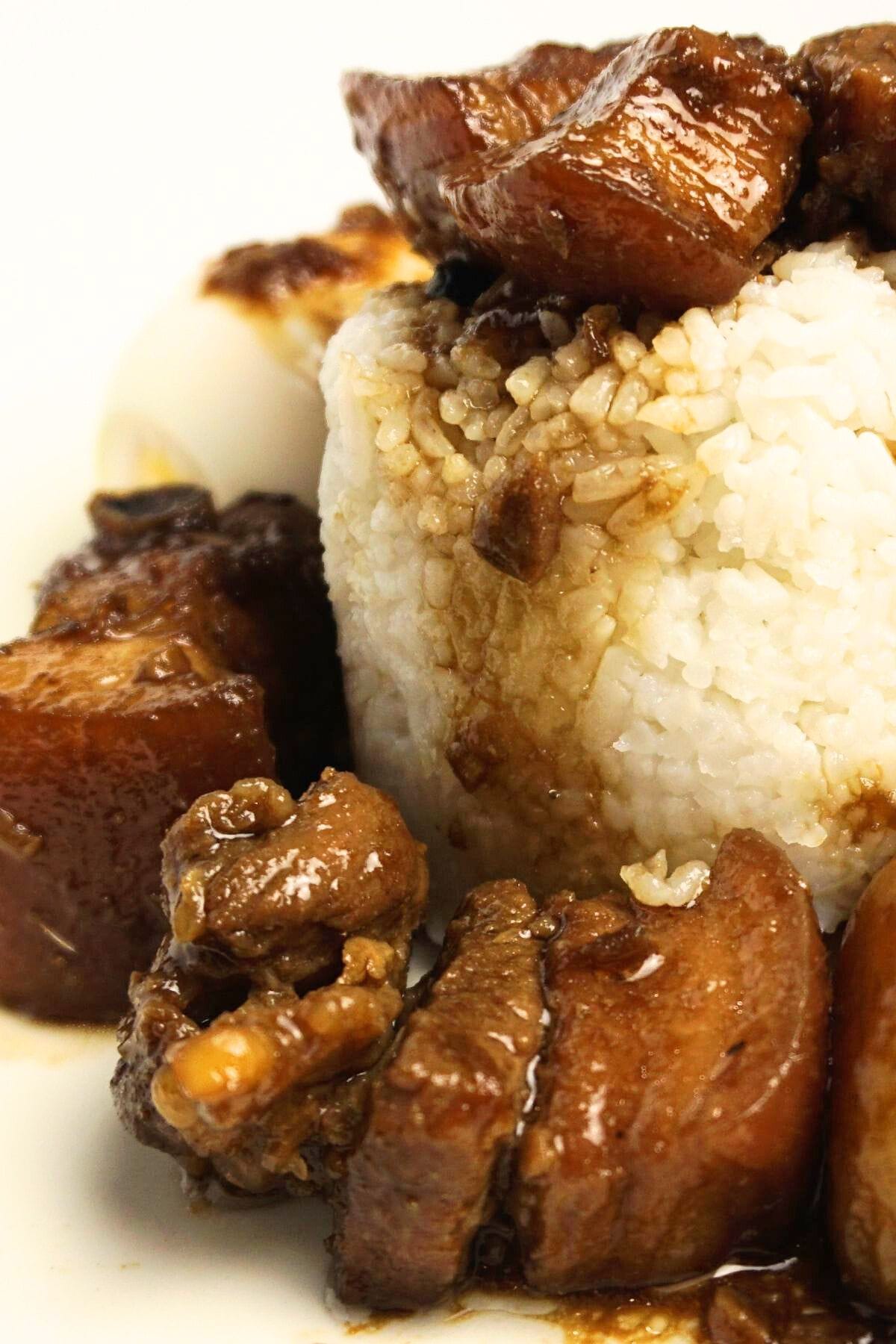
Pork Adobo Additional Ingredients
When the potatoes are half-cooked, add the remaining vinegar to the pot. Let it simmer until the meat and potatoes are tender, and the sauce has reduced to your desired consistency.
Pork Adobo with Potatoes
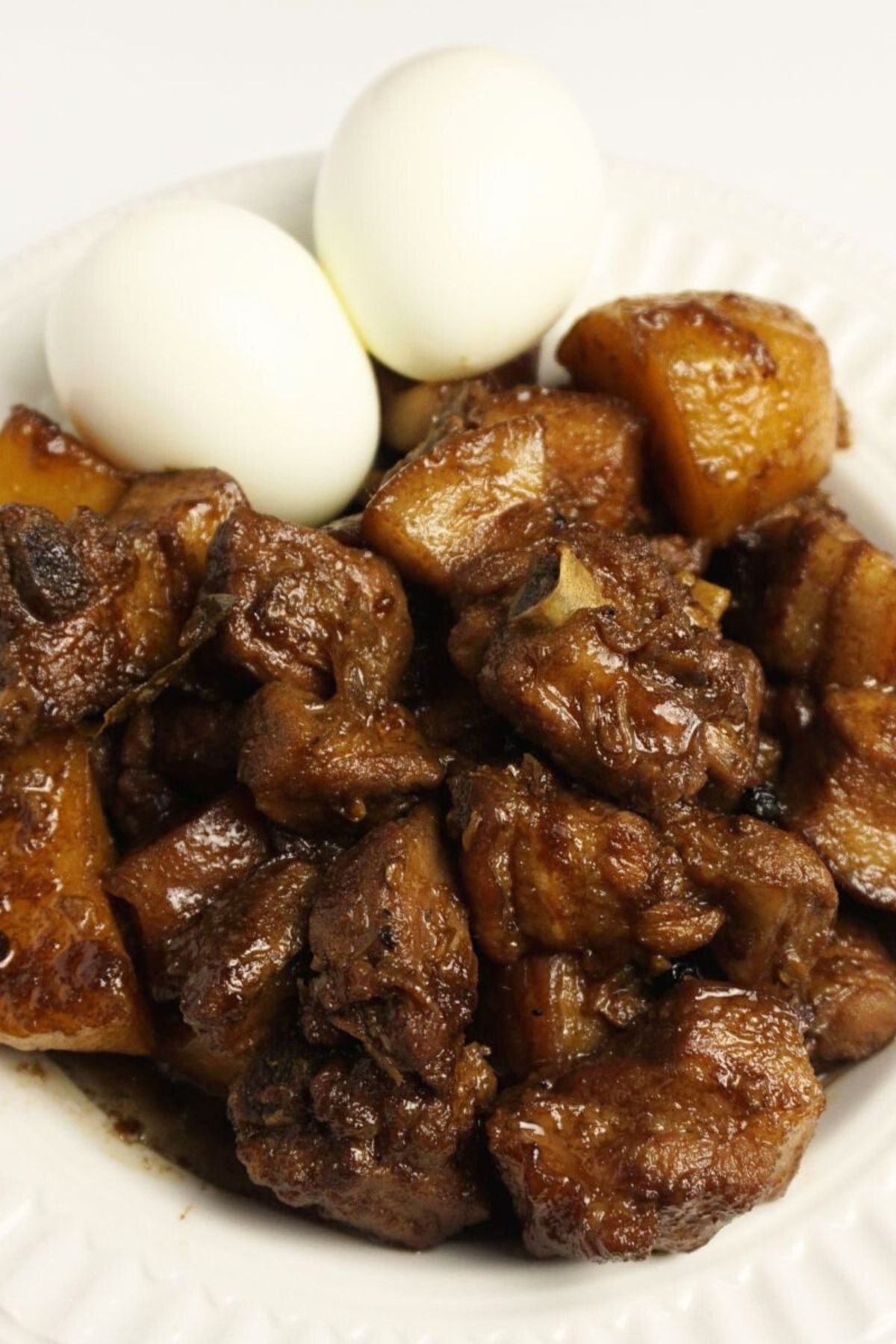
Adding potatoes to your Pork Adobo gives it a hearty touch. The cubed potatoes soak up the soy sauce, garlic, and spices as they simmer. The result is a mix of tender potatoes with the savory adobo flavor, adding a satisfying texture to each bite.
Pork Adobo with Eggs
Throwing in eggs takes your Pork Adobo up a notch. Hard-boiled and simmered in the sauce, the eggs soak up the soy sauce, vinegar, and garlic. Sliced in half, they add a creamy texture, blending well with the pork’s richness. Your kids will definitely love seeing eggs in their Adobo just like my son does.
Pork Adobo with Sugar
If you like it a bit sweet, a pinch of sugar in your Pork Adobo does the trick. It smoothens out the bold soy sauce and vinegar flavors without taking over. It’s a subtle touch that balances the savory and tangy, making each bite a straightforward, tasty experience.
How Do I Make My Pork Adobo Sauce Thicker?
If your adobo sauce feels a bit too runny, don’t worry! You’ve got a few easy ways to fix that.
Here’s what I usually do to get that thick, rich sauce that clings perfectly to the pork:
1. Simmer it longer
Just let it cook uncovered over low heat. As it simmers, the sauce will naturally reduce and thicken. You’ll also get a more concentrated flavor this way.
2. Use less liquid next time
If you’re adding extra water or broth, try cutting back. Starting with less liquid makes it easier to reach that thick consistency without needing to wait too long.
3. Add a cornstarch slurry
Mix 1 tablespoon of cornstarch with 1 to 2 tablespoons of cold water, then slowly stir it into the sauce. Let it simmer for a few minutes and watch it thicken up nicely.
4. Mash some garlic or onions
Got chunks of garlic or onion in the pot? Try mashing a bit of it into the sauce. It’ll help thicken things slightly and boost the flavor too.
5. Take the pork out for a bit
Once the pork is tender, you can remove it temporarily and let the sauce reduce further. That way, the meat won’t get overcooked while you focus on thickening the sauce.
Try any of these tricks and your adobo sauce will come out thick, flavorful, and ready to coat every piece of pork perfectly. Let me know which one works best for you!
Try These Pork Recipes Too!
Looking for more pork dishes to enjoy with rice? Here are a few delicious Filipino recipes you should try next:
- Pork Bopis – Spicy and flavorful dish made from pork lungs and heart.
Pork Menudo – Tomato-based stew with pork, liver, hotdogs, and veggies.
Pork Sinigang – A tangy tamarind soup that’s perfect on rainy days.
Pork Dinuguan – Savory and rich pork blood stew that goes so well with puto.
FREQUENTLY ASKED QUESTIONS
Pork belly is commonly used for its rich flavor and tenderness, but pork shoulder or pork loin can also be used.
Add more water or vinegar to dilute the saltiness, or serve with more rice to balance the flavors.
Yes, you can add chili peppers or a dash of hot sauce to give your adobo some heat.
If the adobo tastes too vinegary, add a bit of sugar to balance the acidity. Alternatively, you can add more soy sauce or water to dilute the vinegar.

Pork Adobo Recipe
Ingredients
- 3 tbsp Cooking Oil
- 6 cloves Garlic (minced)
- 1 piece Onion large (chopped)
- 1 kilogram Pork Belly / Kasim (about 2-inch square cut)
- 1 tbsp Whole Black Pepper
- 6 pieces Bay Leaves
- 6 tbsp Soy Sauce
- 4 tbsp Oyster Sauce
- 1 cup Water
- 3 pieces Potatoes (quarter cut)
- 4 tbsp Vinegar
- 2 tbsp Sugar (optional)
Instructions
- Marinate the pork with two tablespoons of soy sauce, two tablespoons of vinegar and a clove of minced garlic. Chill for one hour.
- Put oil in a pot and sautee the minced garlic and chopped onion. Cover and let it simmer for two minutes.
- Add the marinated pork and let it simmer until the meat is slightly cooked.
- Add the soy sauce and oyster sauce, toss and let it simmer for another five minutes.
- Add one cup of water, cover, let it simmer until the meat is slightly tender.
- Put the potatoes and let them boil.
- When the potatoes are half cooked, add on the vinegar. Let it simmer until the meat and potatoes are tender.
- Serve with boiled egg (optional). Enjoy!
Watch this!
Notes
- Simmer the pork gently to allow the flavors to meld and the meat to become tender. Avoid boiling too vigorously as it can make the meat tough.
- The traditional adobo sauce is a balance of salty, sour, and slightly sweet. Taste and adjust the seasoning as necessary.