What You’ll Find Here?
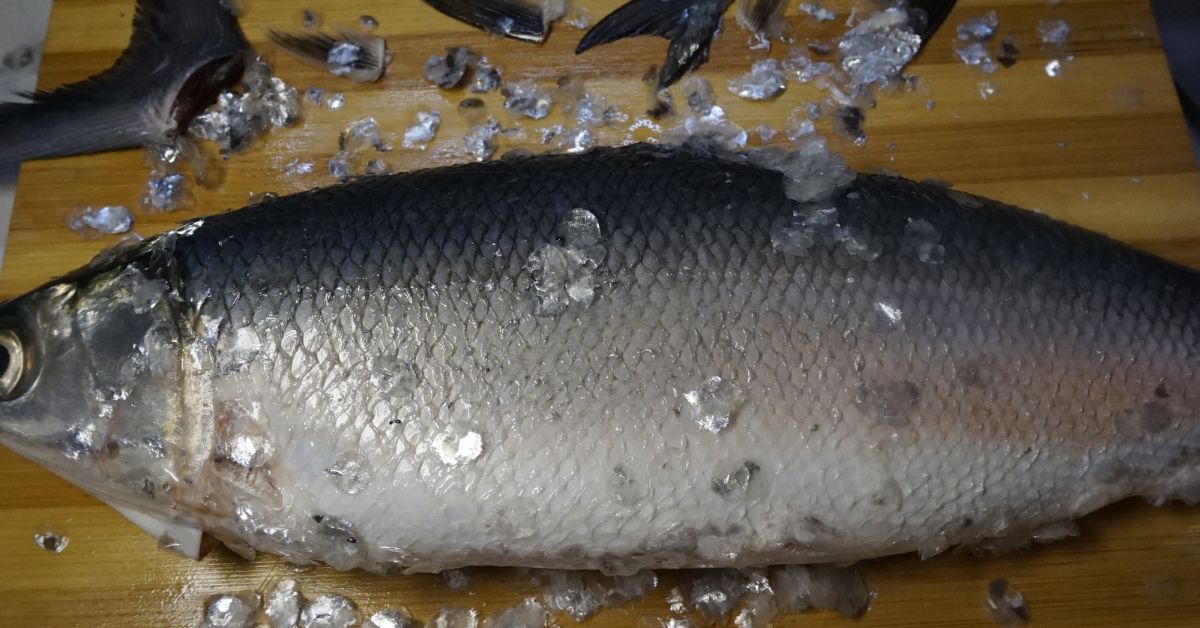
One of the questions I often hear when cooking fish is, do I really need to remove the scales?
I’ll be honest, I used to get confused about this too. So, I started asking the fish vendors at the wet market. They’d give me different answers, some said, “Yes, always remove them,” while others told me, “No need if you’re frying.” That’s when I realized, there’s more than one right way to do it, and it really depends on the fish and the dish.
My Take on Descaling Fish
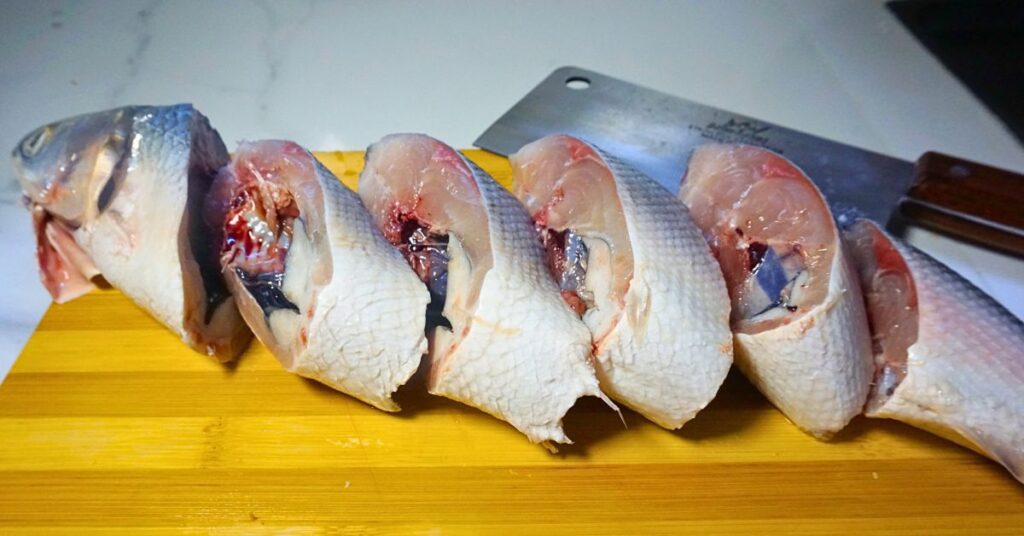
If the fish has big, hard scales like tilapia, bangus, or snapper, I always descale it. You don’t want to be biting into tough bits while eating. Plus, it’s easier to season and cooks better when the skin is smooth.
For fish with fine, almost invisible scales like galunggong, I sometimes skip descaling, especially if I’m frying it. The scales crisp up and protect the meat from drying out. But if I’m making something with sauce or soup, I still descale so the flavors can get into the meat.
Why I Sometimes Remove Scales and Sometimes Don’t
Keeping the scales on can:
- Protect the skin from sticking to the pan or grill
- Help the fish keep its shape while cooking
- Add a nice crunch when fried
But leaving them on can also:
- Make the fish harder to eat if the scales are thick
- Trap dirt or slime
- Make the fish look less appealing in some dishes
How I Decide
Here’s what I usually do:
- Big, hard scales? Always remove them.
- Fine, soft scales? I keep them if I’m deep-frying, remove them for soups or stews.
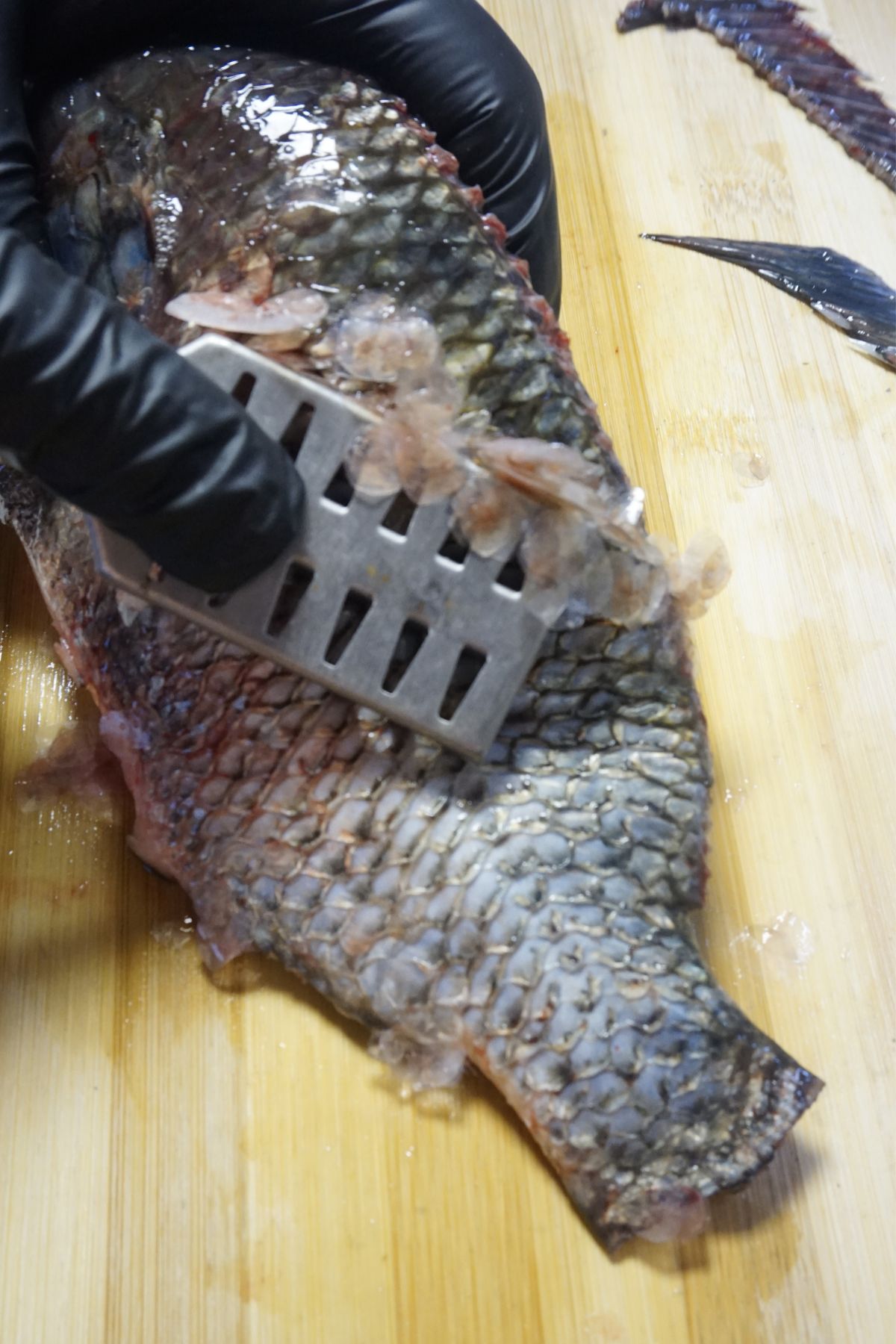
How I Descale Fish
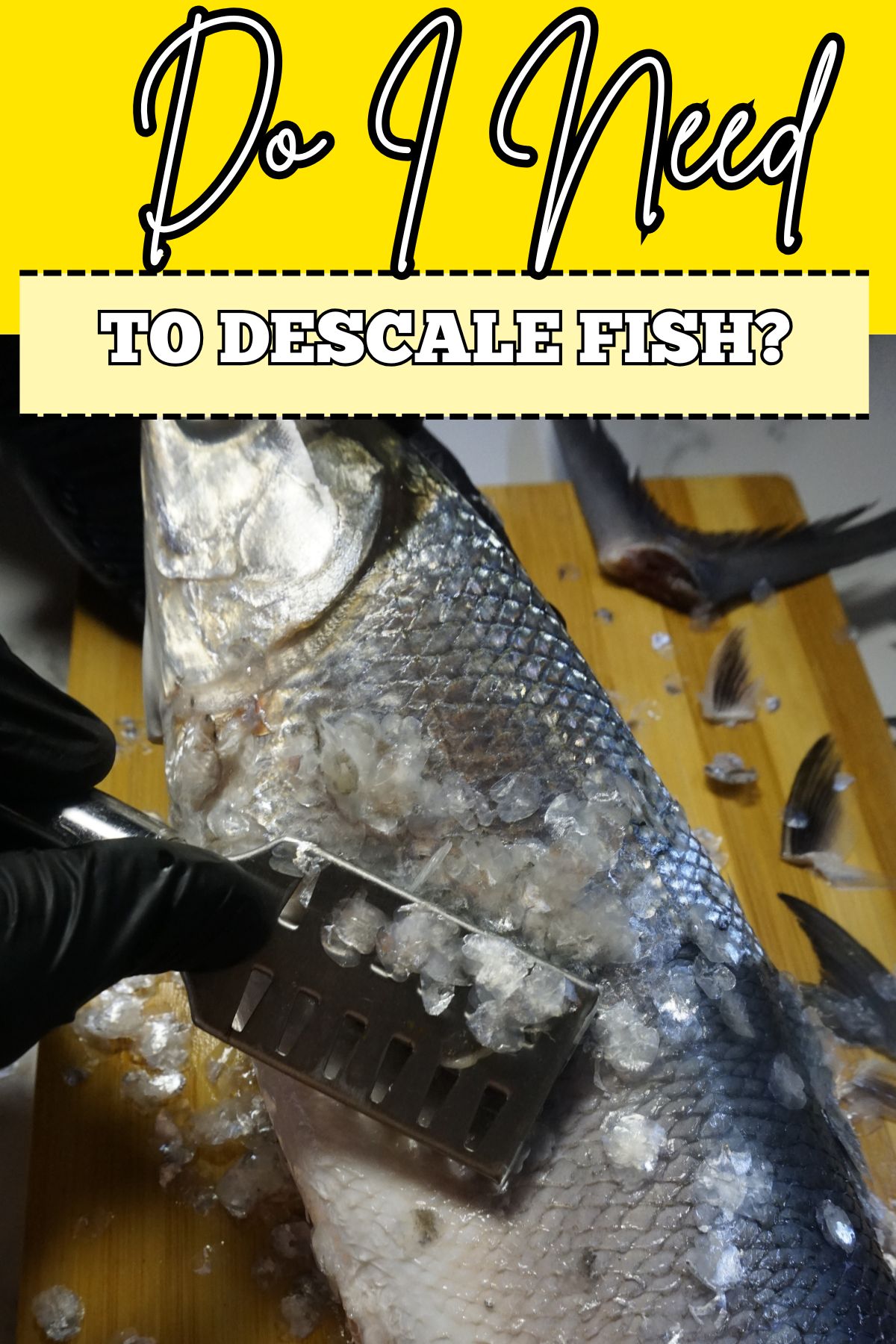
When I do remove the scales, I rinse the fish, hold it firmly, and scrape from tail to head using the back of a knife. I do it under running water so the scales wash away instead of sticking everywhere.
Bottom line:
There’s no strict rule here. It really depends on the fish and how you’re cooking it. After years of cooking, I’ve learned that sometimes you just go with what works for the dish you want — as long as it’s tasty in the end.
Looking for fish recipe
Try these fish recipes that are just as tasty and easy to cook:
Sarciadong Tilapia – Crispy fried tilapia simmered in a flavorful tomato and egg sauce.
Daing na Bangus – Marinated milkfish fried until golden and crispy. Perfect with suka and garlic rice.
Paksiw na Bangus – A tangy and savory dish cooked in vinegar, garlic, and peppercorns. Comfort food at its finest.
Bangus with Tausi – Milkfish in black bean sauce, giving it that salty-sweet flavor that pairs so well with rice.
Related posts:
 10 Best Cooking Tips for Beginners
  Cooking Measurement Converter
  Dos and Don’ts in the Kitchen – Safety Tips That You Should Never Forget
  10 Basic Cooking Skills That Will Help You Create The Best Family Meal Ever!
  How to Cook Boiled Egg?
  How to Clean a Fish (Step-by-Step for Beginners!) How To Clean Tilapia
  How To Clean Bangus (Milkfish) Like a Pro