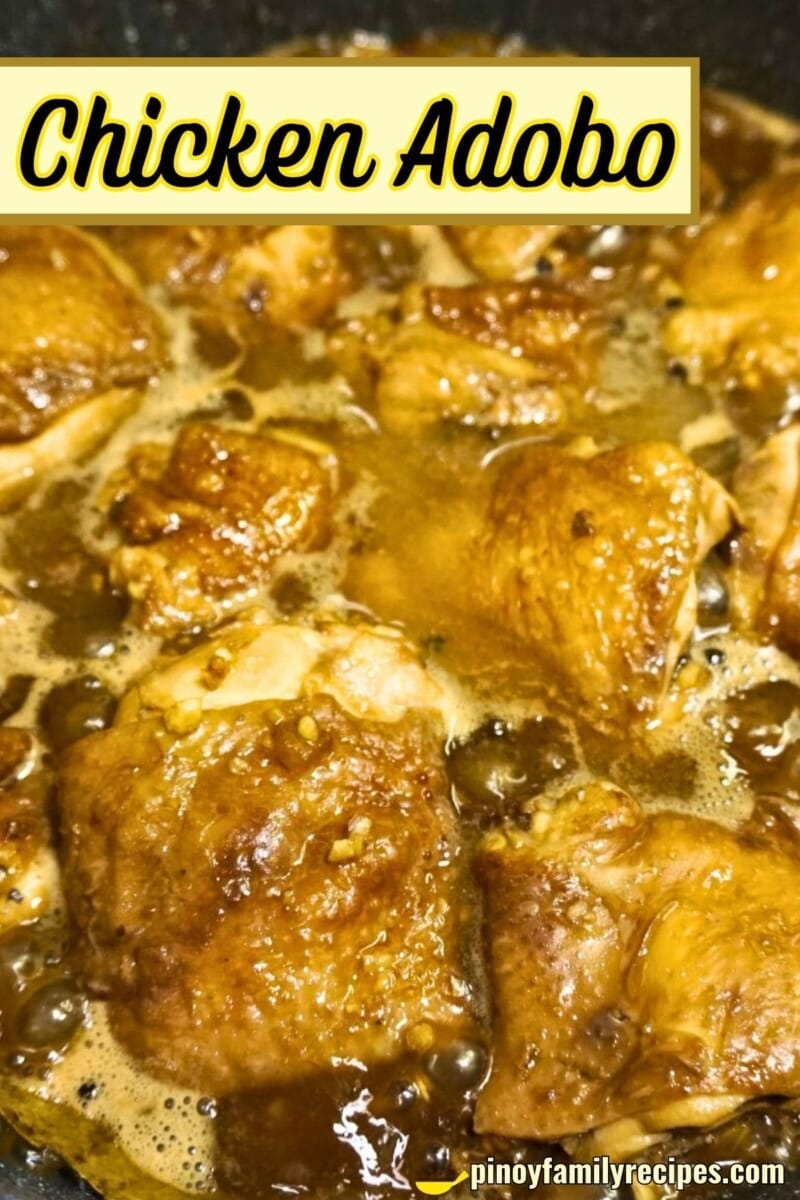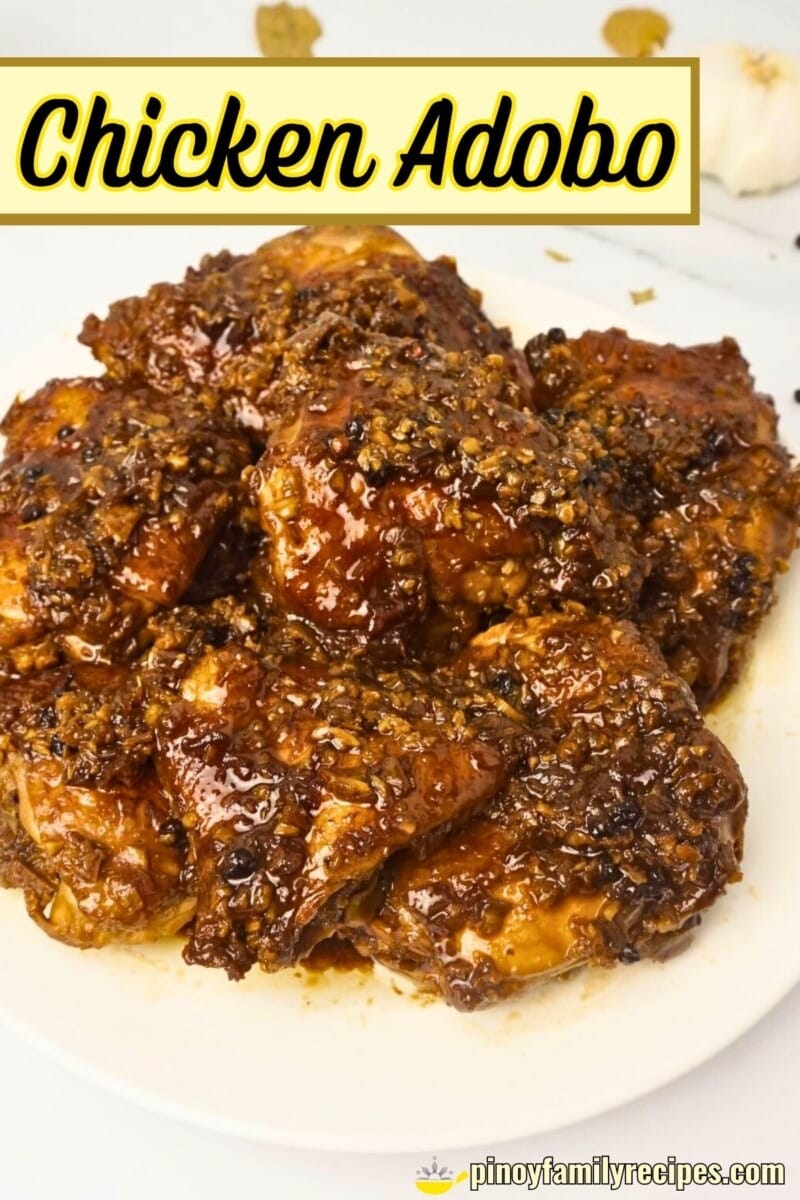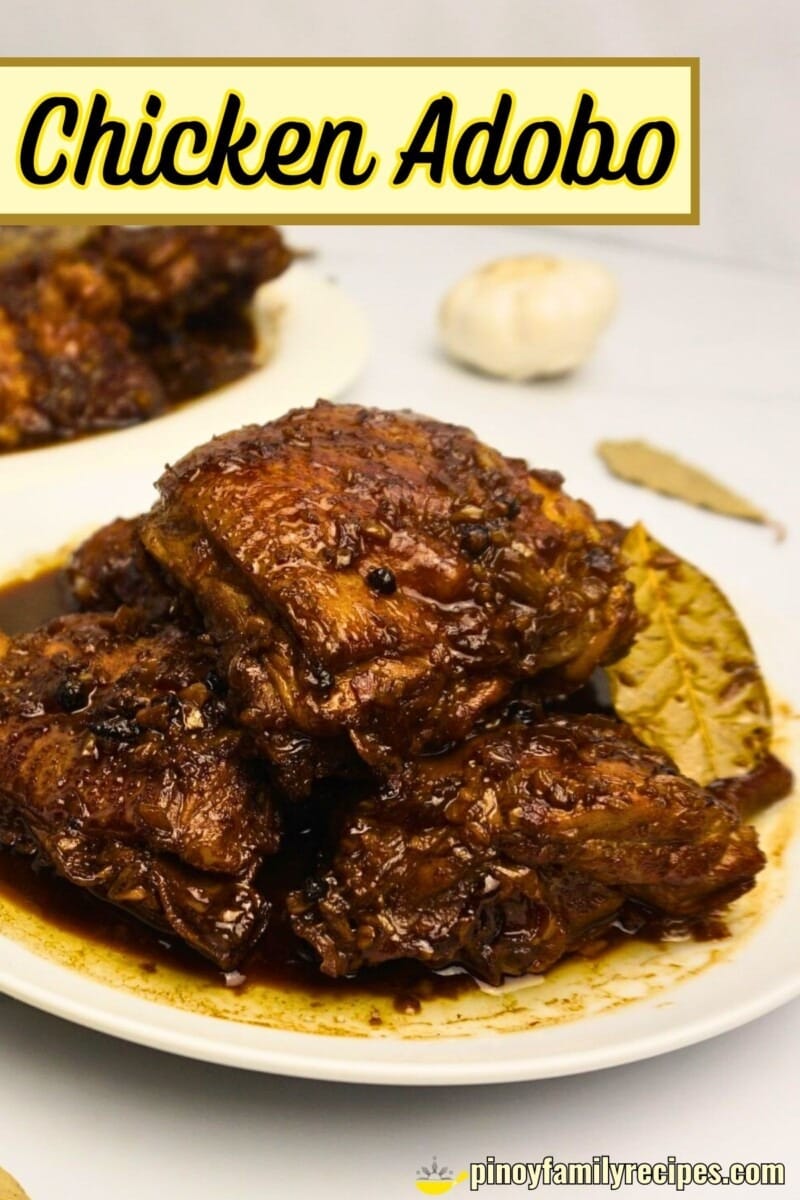
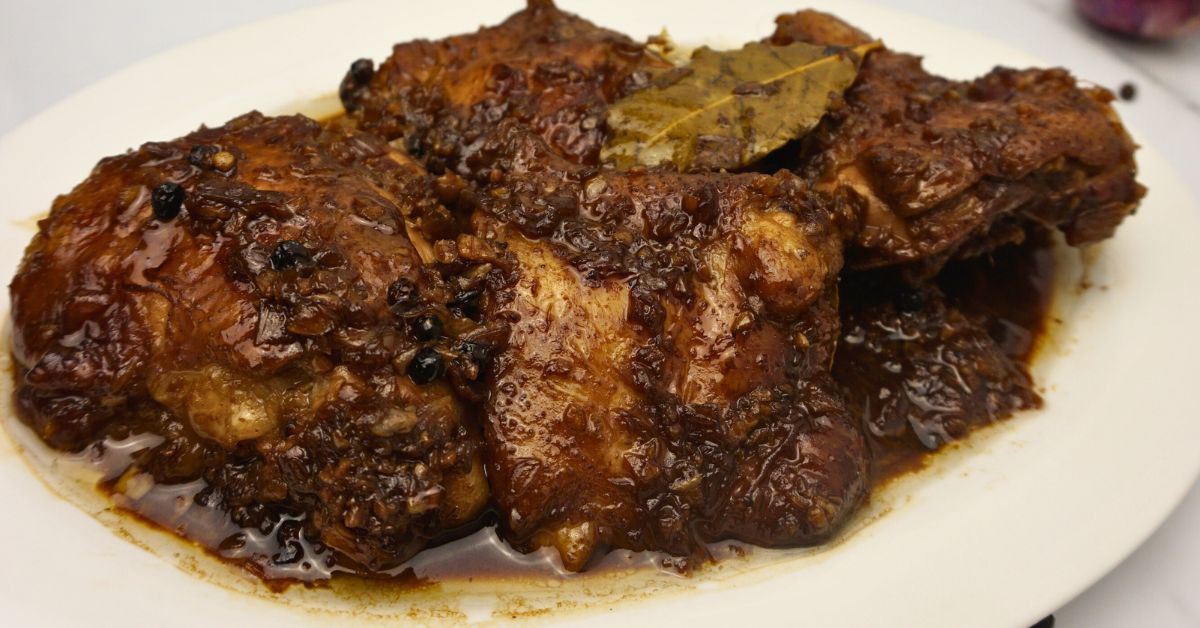
Oh well, what more can I say about chicken adobo? This is definitely our national dish!
Honestly, I never get tired of cooking this.
It’s comfort food at its best. The mix of soy sauce, vinegar, garlic, and bay leaves creates a flavor that’s just so rich and satisfying.
Plus, it’s super easy to make.
Whether you’re a seasoned cook or just starting out, you can’t go wrong with chicken adobo.
Whenever I can’t think of anything to cook for the day, chicken adobo is out of the recipe.
Even if you’re not hungry, the smell of it simmering on the stove will make your mouth water.
Why is Chicken Adobo Famous?
Lately, I was so shocked at how chicken adobo has become a craze among content creators. It’s everywhere! But honestly, it’s no surprise.
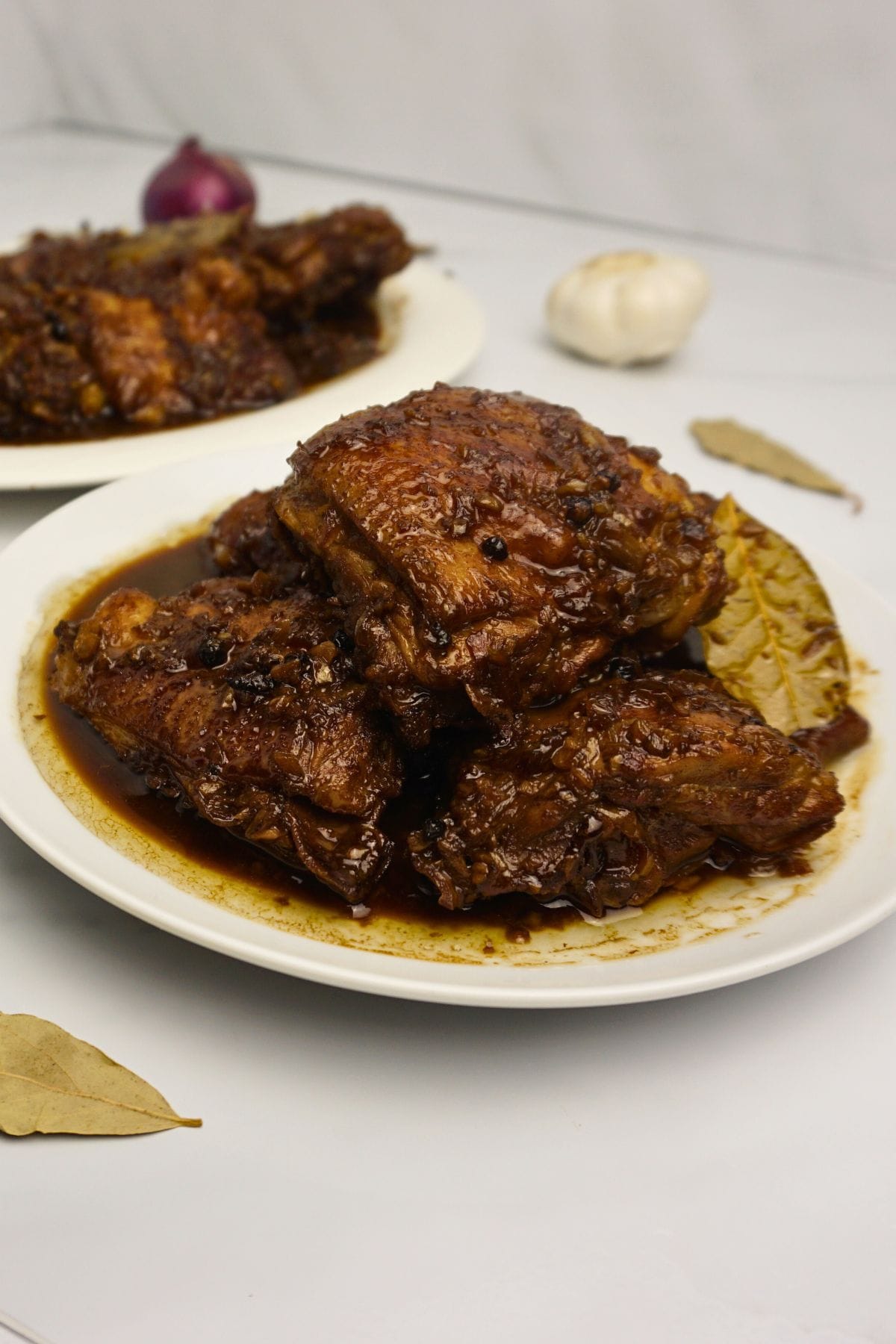
Chicken adobo is famous because it’s the perfect combination of simplicity and flavor.
The recipe is straightforward, and the ingredients are easy to find, yet the result is always amazing.
This dish represents the heart of Filipino cooking, simple, hearty, and full of flavor.
The balance of salty, sour, and savory in adobo is something that just hits the spot every time.
Plus, it’s versatile! You can tweak the recipe to your liking, add potatoes, eggs, or even pineapple.
Chicken adobo has become a favorite not just in Filipino homes but also around the world.
Its popularity online shows how food can bring people together, share cultures, and create a community of food lovers.
So, if you haven’t tried making it yet, now’s the perfect time to join the adobo craze!
Pork vs Chicken Adobo
If you’re going to ask me which is the proud winner between the two, well, I can’t choose!
Both pork and chicken adobo have their own unique charms, and it really depends on what you’re in the mood for.
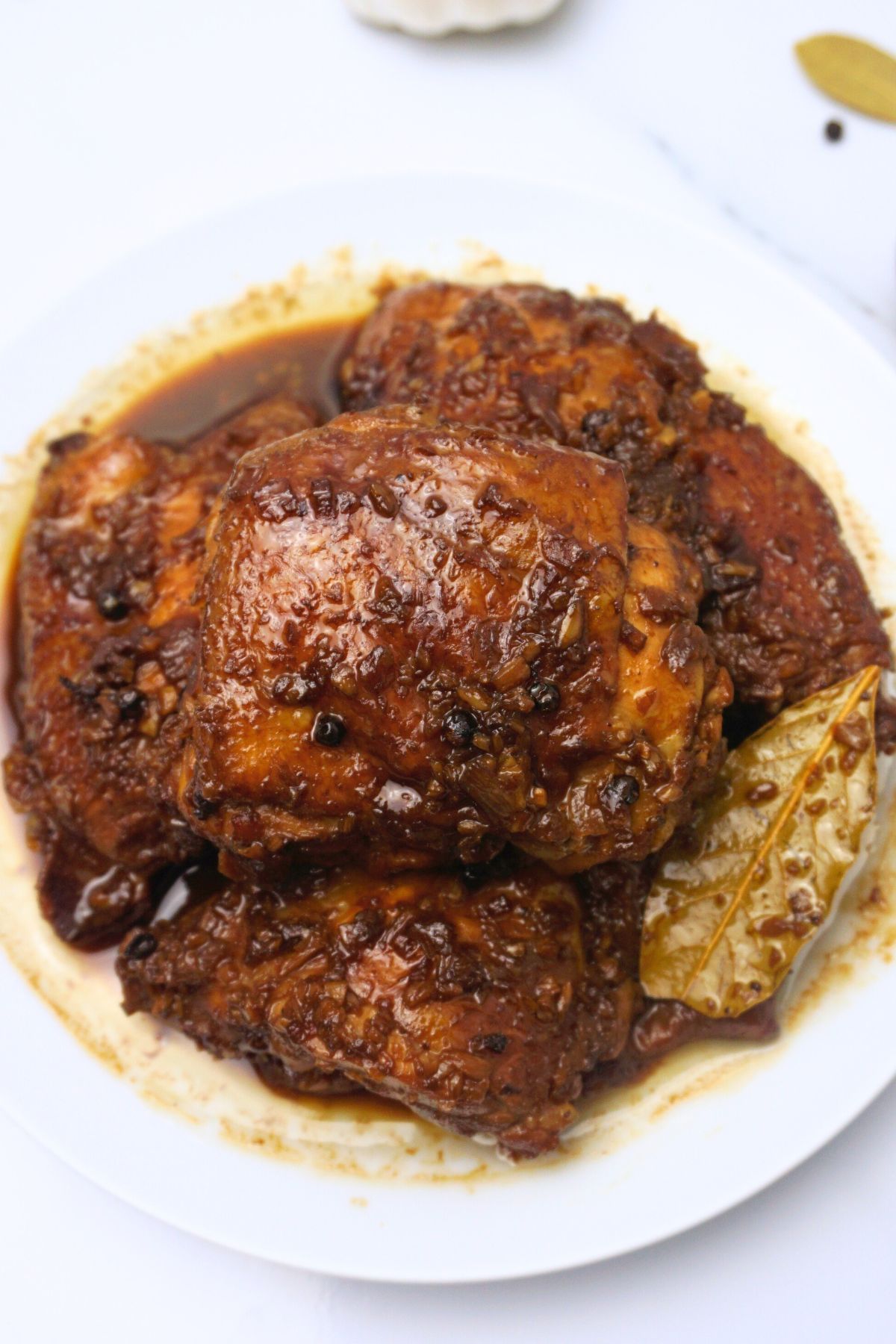
Chicken adobo is lighter and cooks faster.
It’s perfect for a quick meal and has a tender, juicy texture that soaks up all the delicious sauce.
On the other hand, pork adobo is richer and heartier.
The fatty cuts of pork melt in your mouth and give the dish a deeper, more robust flavor.
Some days, I crave the comforting simplicity of chicken adobo, especially when I need something quick and satisfying.
Other times, I lean towards pork adobo for its indulgent taste and the way it pairs so well with steamed rice.
In the end, it’s really up to your taste and what you have in your kitchen.
Both versions are fantastic and showcase the versatility and deliciousness of adobo.
So, why not try both and decide for yourself?
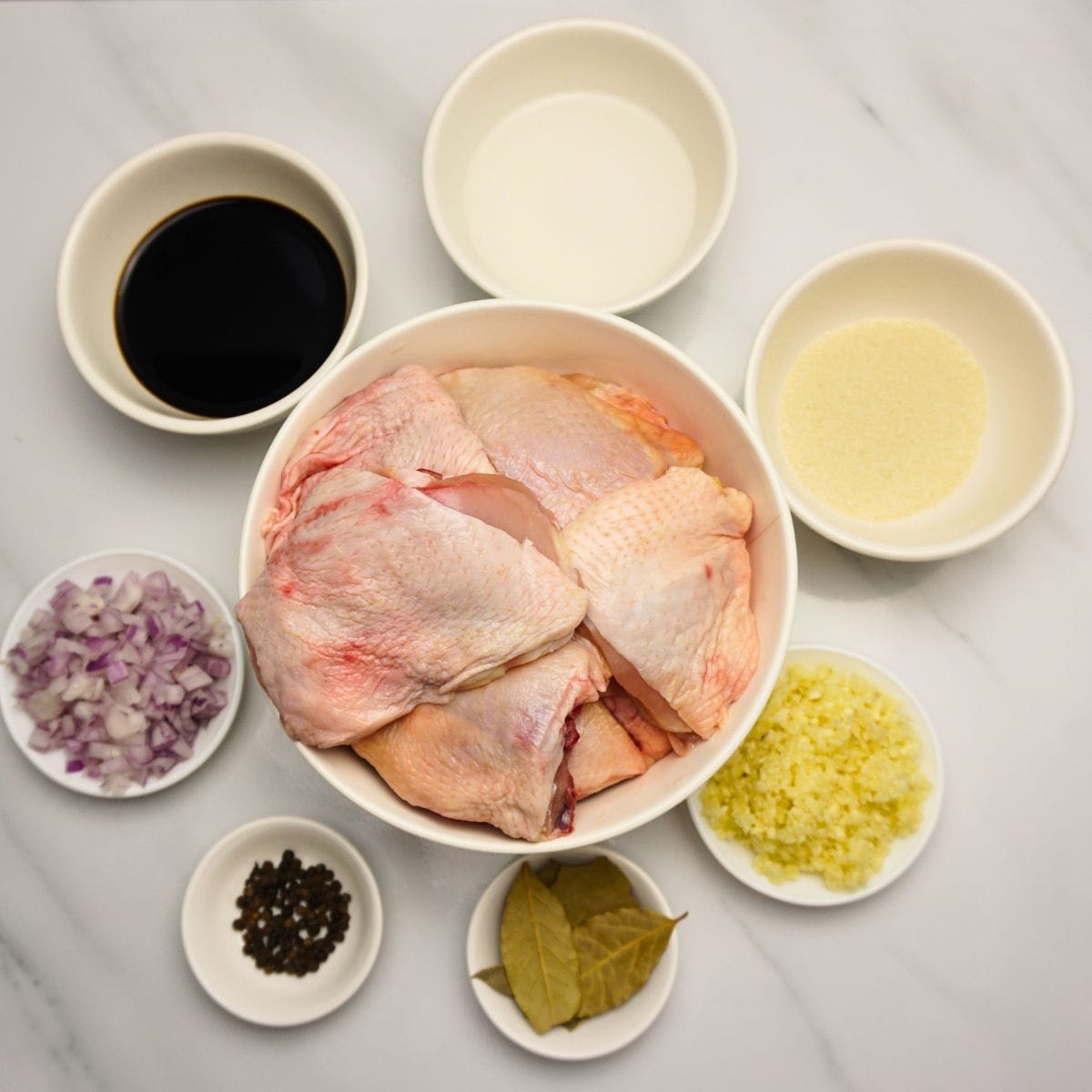
Chicken Adobo Ingredients
Chicken Thigh
This is my top choice for adobo. You can use other chicken parts if you prefer, but chicken thighs stay tender and juicy, making them perfect for soaking up the rich flavors of the sauce.
Soy Sauce
Soy sauce gives the adobo its deep, savory flavor and adds that essential umami taste that makes the dish rich and flavorful.
Vinegar
Vinegar is what gives adobo its signature tang. It balances the saltiness from the soy sauce, helps tenderize the chicken, and even works as a natural preservative.
Garlic (Minced)
Garlic brings a bold, aromatic flavor that completes the adobo taste. It blends perfectly with the soy sauce and vinegar.
Onion (Diced)
Onions add a bit of sweetness and body to the sauce, making every bite more flavorful and well-rounded.
Bay Leaves (Laurel)
Bay leaves bring a subtle, earthy aroma that lifts the overall flavor of the dish.
Whole Black Pepper
Whole peppercorns give the adobo a gentle heat and a nice peppery aroma without overpowering the sauce.
Brown Sugar
A small amount of brown sugar helps balance the salty and tangy flavors while giving the sauce a deeper color and slight caramel taste.
Salt (to taste)
A pinch of salt enhances all the flavors in the dish. Adjust it based on your taste preference.
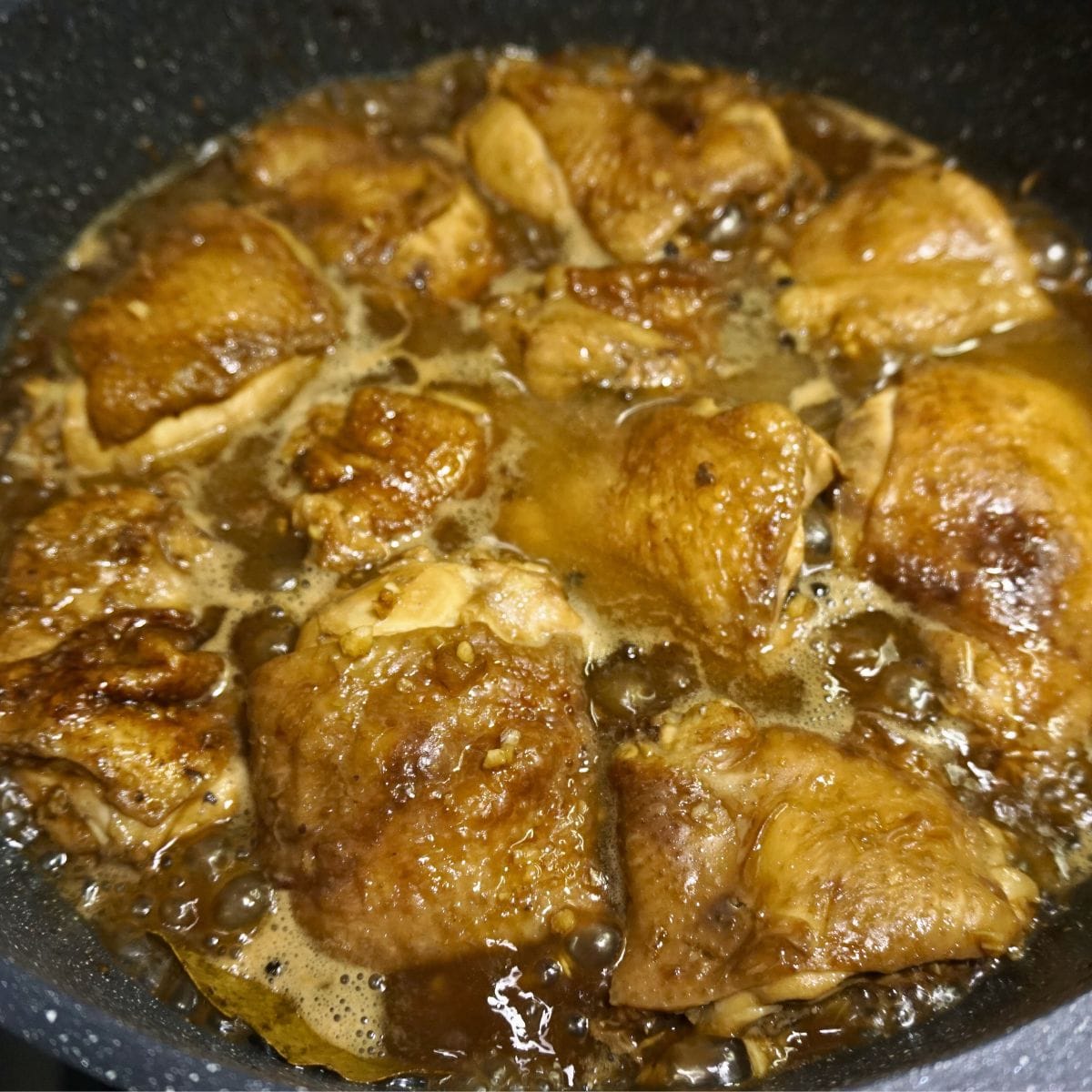
How To Cook Chicken Adobo
1. Marinate the Chicken
In a large bowl, combine 8 tablespoons soy sauce, 8 tablespoons vinegar, and 1 tablespoon minced garlic. Add 2 pounds of boneless chicken thighs (or any cut you prefer). Toss well to coat evenly. Let it marinate for at least 30 minutes to absorb all that savory flavor.
2. Sear the Chicken
Heat a large skillet or pan over medium-high heat. Add the marinated chicken (reserve the marinade) and sear each piece for about 2 to 3 minutes per side until lightly browned. This step helps lock in flavor and adds color. Remove the chicken and set aside.
3. Sauté the Aromatics
In the same pan, add a bit of oil if needed. Sauté 1 tablespoon minced ginger, 1 tablespoon minced garlic, and 1 chopped onion. Cook until the onion softens and everything becomes aromatic.
4. Simmer the Chicken
Return the seared chicken to the pan. Pour in the leftover marinade and add 1 cup of water. Toss in 5 dried bay leaves and 1 teaspoon whole black peppercorns. Stir everything together and bring to a gentle boil.
5. Adjust and Continue Simmering
Lower the heat and cover the pan. Simmer the chicken for about 25 to 30 minutes or until tender. Taste and season with salt if needed.
6. Thicken the Sauce
Sprinkle 1 tablespoon of sugar into the pan and let the adobo simmer uncovered. Allow the sauce to reduce and thicken to your desired consistency. This usually takes 5 to 10 more minutes.
7. Serve and Enjoy
Turn off the heat. Serve the chicken adobo hot with steamed white rice, and enjoy the savory-sour goodness of this Filipino classic.
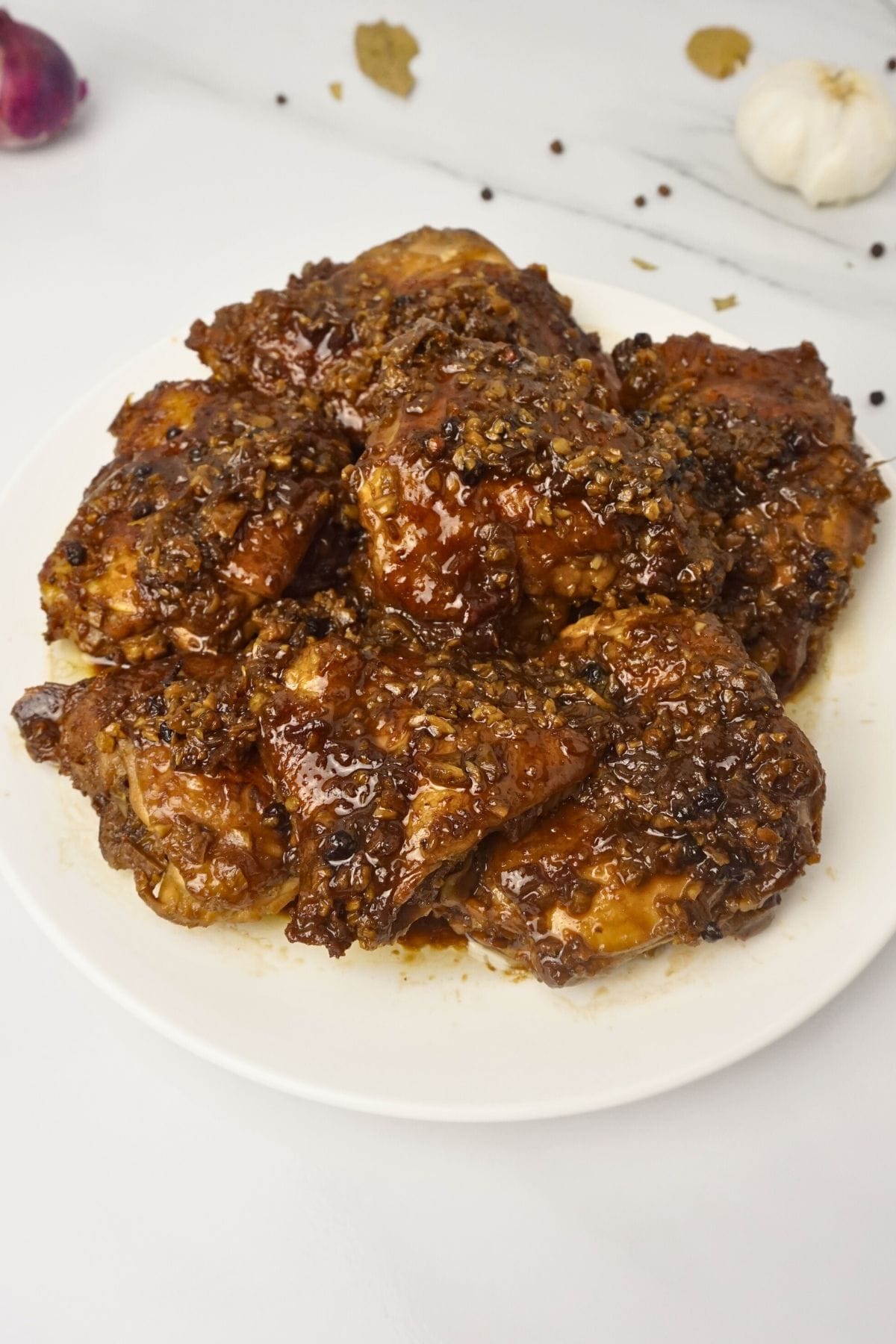
Do You Have To Marinate and Sear the Chicken?
Marinating the Chicken
Honestly, marinating the chicken is a step I highly recommend. It allows the soy sauce, vinegar, and garlic to deeply penetrate the meat, making every bite flavorful and tender. If you’re pressed for time, you can marinate for a shorter period, but if you can, aim for at least 30 minutes to an hour. Trust me, the extra time is worth it for that rich taste.
Searing the Chicken
Searing the chicken before simmering it in the sauce adds another layer of flavor and texture. When you sear the chicken, it caramelizes the surface, giving it a delicious browned appearance and a richer taste. Plus, it helps render some of the fat, which enhances the final dish.
Can You Skip These Steps?
Sure, you can skip marinating and searing if you’re in a hurry, but the adobo might not be as flavorful or have the same depth. Without marinating, the flavors won’t be as pronounced, and without searing, you’ll miss out on that added richness and texture.
If you do skip these steps, you can still make a decent adobo by simmering the chicken directly in the sauce mixture. However, for the best possible flavor, it’s worth taking the extra time to marinate and sear the chicken. Believe me, those few extra steps make a big difference!
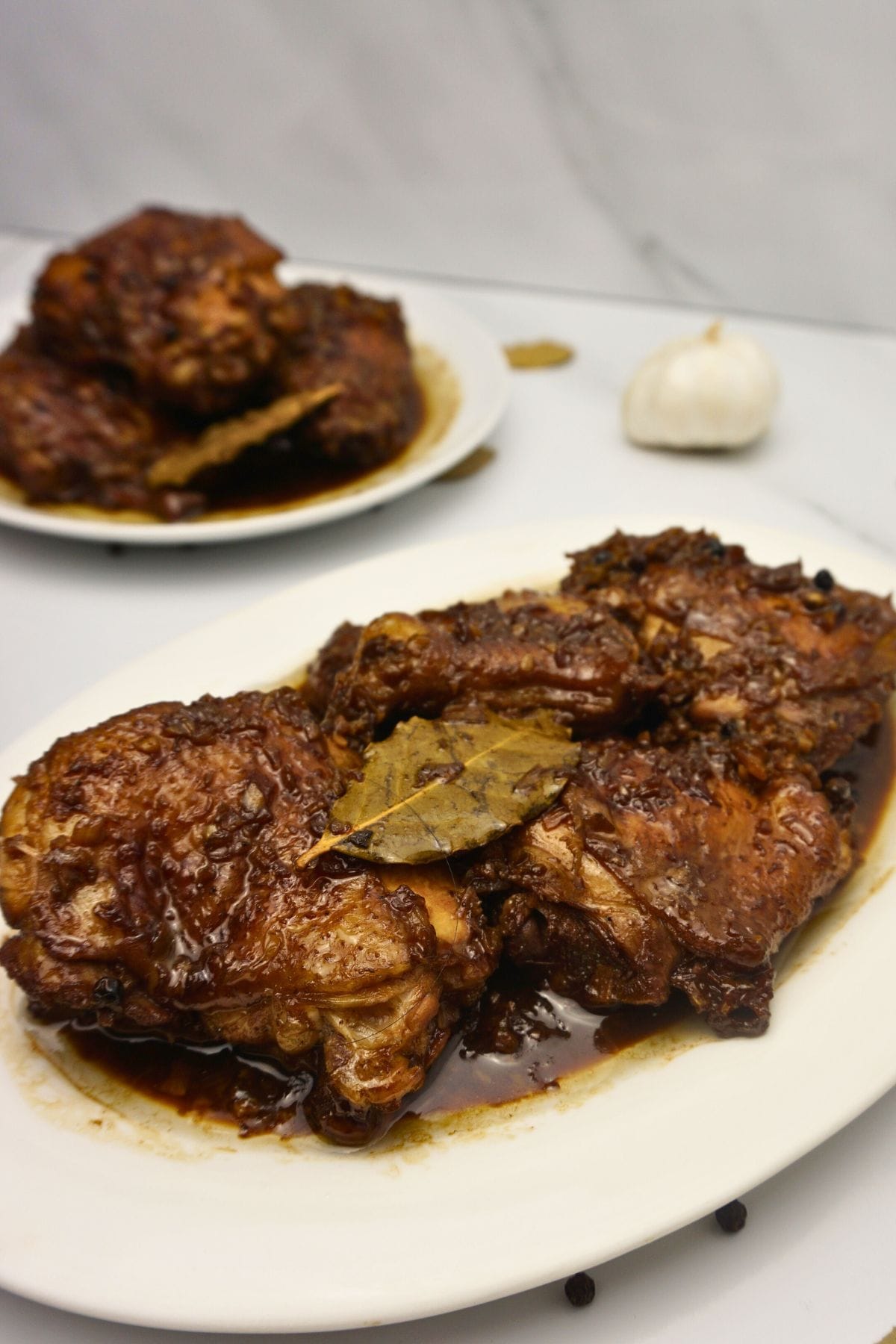
Chicken Adobo Cooking Tips and Tricks
Use Low and Slow Heat
Cook the adobo over low heat once it starts simmering. This slow cooking process ensures that the chicken becomes tender and absorbs all the flavors of the sauce.
Adjust Seasoning Carefully
Taste the adobo as it simmers and adjust the seasoning accordingly. Add more soy sauce for saltiness, vinegar for tanginess, or sugar for sweetness, depending on your preference.
Thicken the Sauce
If the sauce is too thin, let it simmer uncovered for a bit longer to reduce and thicken. This will concentrate the flavors and give your adobo a richer consistency.
Make It Ahead
Adobo tastes even better the next day as the flavors have had time to meld together. Consider making a big batch and letting it sit in the fridge overnight for an even more flavorful dish.
Get Creative
Don’t be afraid to experiment with additional ingredients like potatoes, hard-boiled eggs, or pineapple chunks to add variety to your adobo. Just adjust the cooking time accordingly to ensure everything is cooked to perfection.
Serve with Steamed Rice
Adobo is traditionally served with steamed rice to soak up all the delicious sauce. Make sure to have plenty on hand to enjoy every last drop!
More Chicken Recipes You’ll Love
Craving more? These flavorful chicken recipes are guaranteed to level up your next meal!
Chicken Afritada – A tomato-based chicken stew with potatoes, carrots, and bell peppers.
Tinolang Manok – A light ginger soup with chicken, green papaya, and chili leaves.
Creamy Chicken Pastel – A rich, savory Filipino-style chicken pot pie dish, no crust needed.
Garlic Butter Chicken – Crispy chicken coated in a buttery garlic sauce—easy and flavorful.
Frequently Asked Questions
Chicken adobo can be stored in the fridge for up to 3-4 days. It often tastes even better the next day!
Yes, you can add sliced chili peppers or a bit of chili paste to the sauce for a spicy kick.
Use low-sodium soy sauce and taste the sauce before adding any extra salt. You can also balance the saltiness with a bit of sugar.
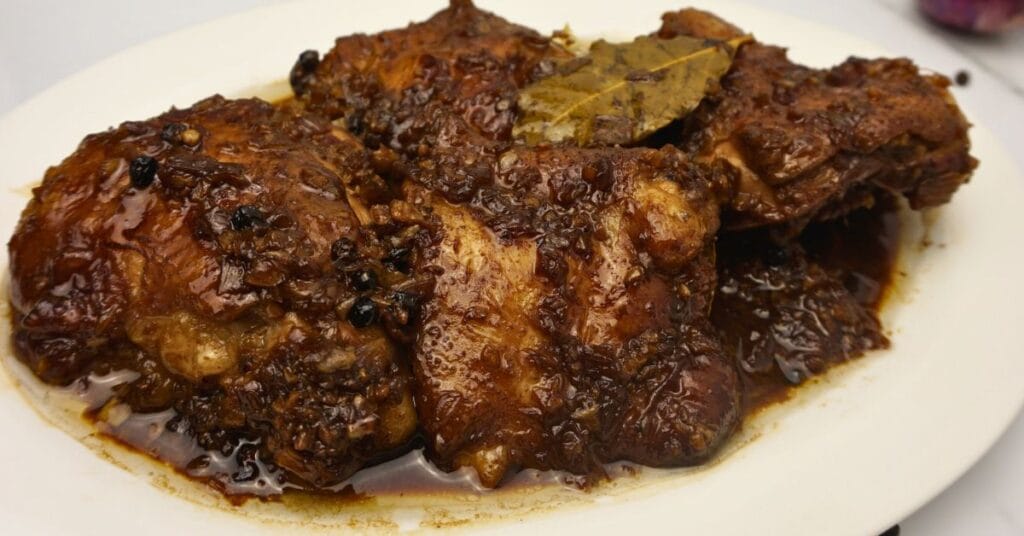
Chicken Adobo
Ingredients
- 1 kilogram Chicken Thigh
- 8 tbsp Soy Sauce
- 8 tbsp Vinegar
- 8 cloves Garlic (minced)
- 1 piece Onion large (diced)
- 1 cup Water
- 5 piece Bay Leaves / Laurel
- 1 tsp Black Pepper (whole)
- 1 tbsp Brown Sugar
- Salt to taste
Instructions
- In a mixing bowl marinade the chicken thighs with eight tablespoons of soy sauce, eight tablespoons of vinegar and a tablespoon of minced garlic. Set aside for thirty minutes.
- In a pan sear the chicken thighs until fat renders and lightly cooked, set aside.
- In the same pan saute, minced garlic and diced onion.
- Add the seared chicken thighs and let it simmer then add the rest of the marinated mixture.
- Add a cup of water, five pieces of bay leaves and a teaspoon of whole black pepper. Cover and bring to a boil.
- Adjust with salt according to taste and let it simmer until the chicken is well cooked.
- Add a tablespoon of sugar and let it simmer until the sauce thickens.
- Transfer to a plate and serve!
Watch this!
Notes
- You can add potatoes to your adobo. Just cut them in half.
- You can also add hard boiled eggs.