There is nothing like a steaming bowl of soup to make the kitchen feel like home. When rain starts to tap the windows or when someone needs something gentle and filling, Filipino soups are my go to. I have recipes that simmer low and slow until meat falls off the bone and others that are quick, bright, and nourishing. In this roundup you will find chicken porridge that warms the soul, broths rich with beef marrow, pork soups with clear savory stock, and even a few seafood bowls for variety. Grab a spoon and let these familiar aromas guide you to a comforting meal.
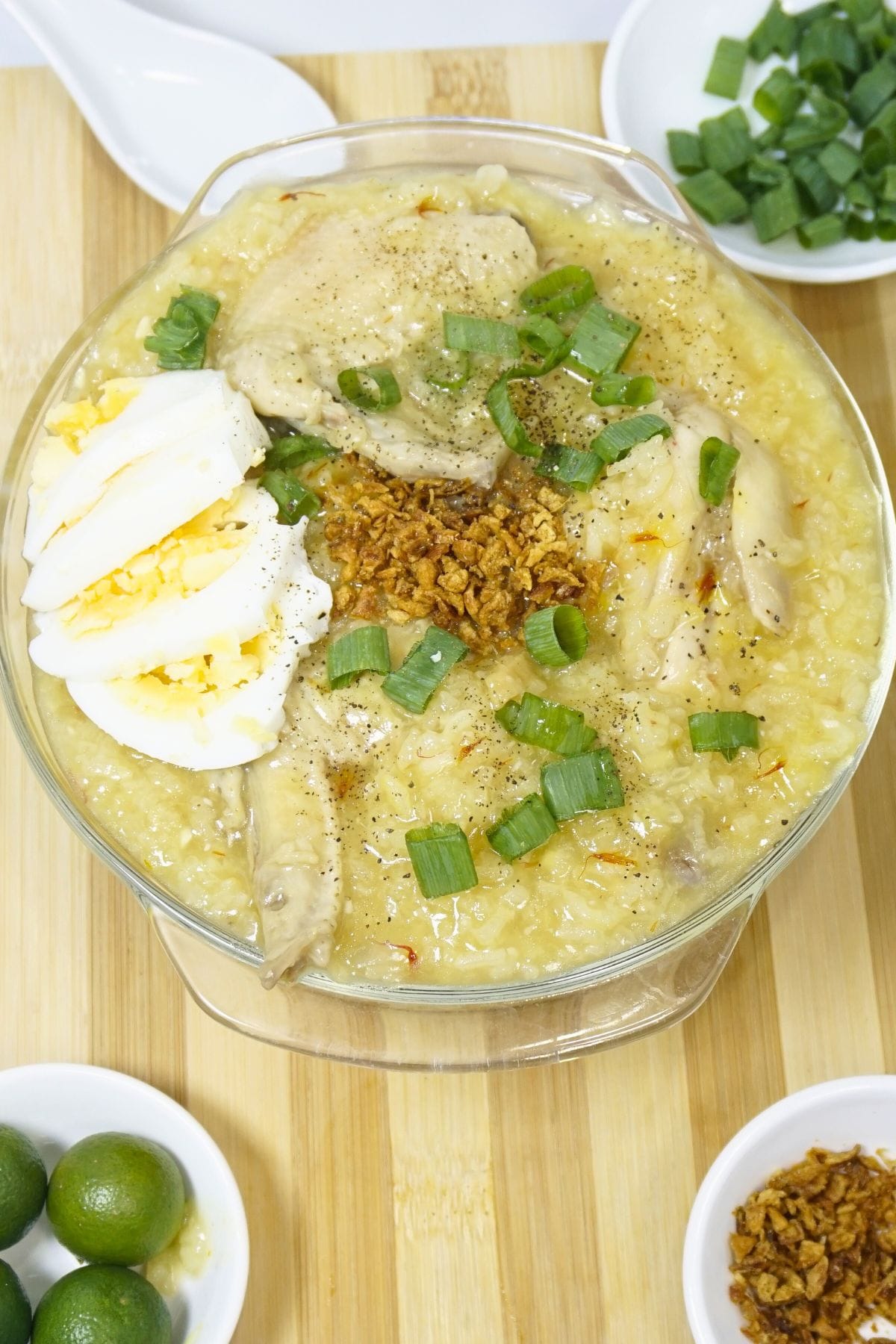
Arroz Caldo Recipe
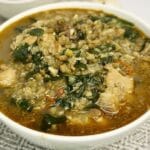
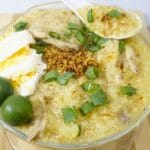
Arroz caldo is rice porridge that tastes like a warm hug. The ginger aroma lifts the senses while the chicken gives depth and comfort. As the rice breaks down it becomes silky and thick, clinging to each spoonful. I always squeeze a little calamansi and add fried garlic on top to cut through the richness. This one is the kind of bowl you want when the throat is scratchy or when the weather turns cool. Each bite is smooth, savory, and quietly nourishing.
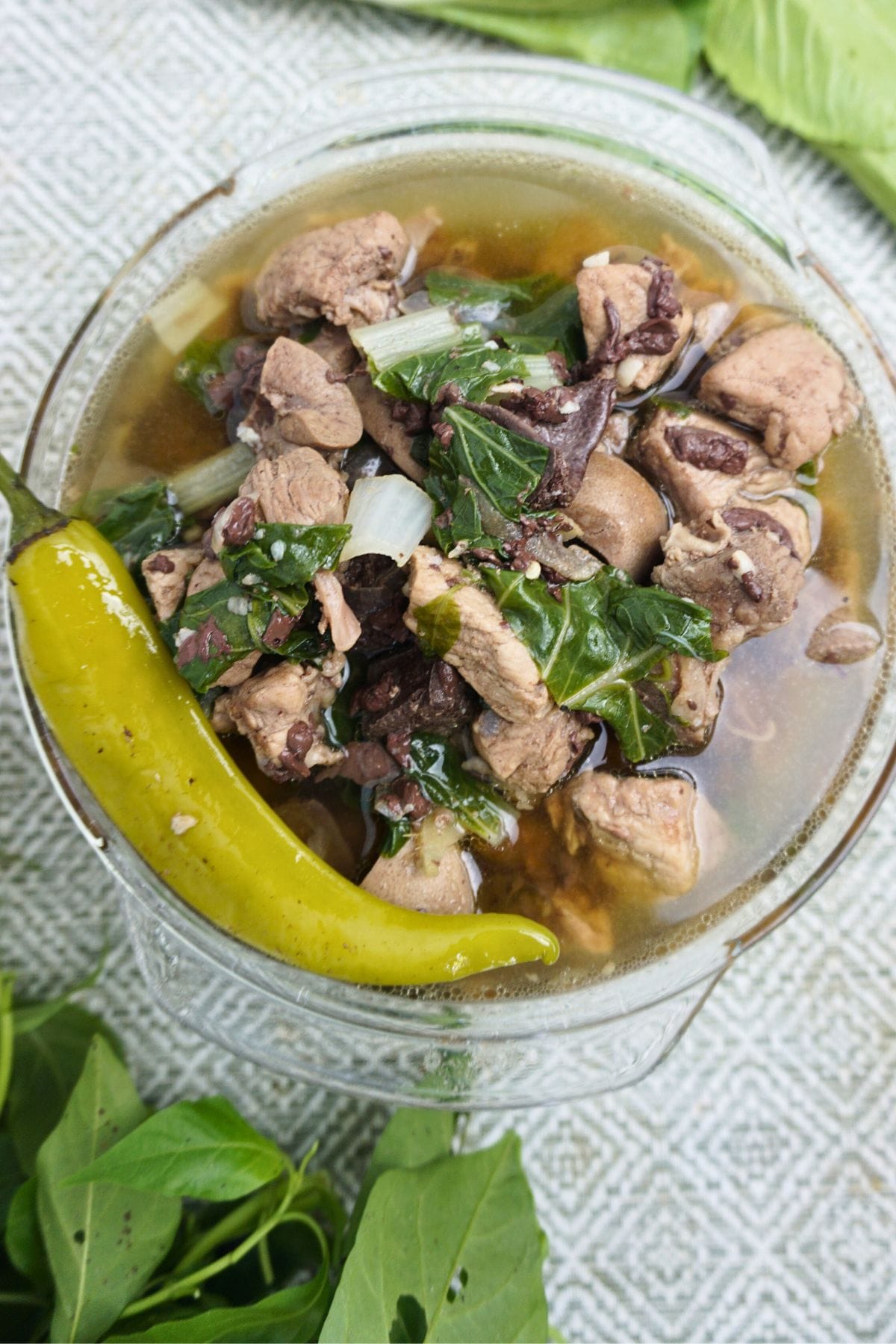
Batchoy Kapampangan (Batsui)
Batchoy Kapampangan is a meaty noodle soup that hits with bold savory notes. Pork and liver add a deep, slightly sweet intensity to the clear broth. Slurping the noodles with crunchy chicharron and scallions feels indulgent but familiar. The aroma of pork fat and roasted garlic fills the kitchen as the soup simmers. It is hearty without being heavy and great for sharing. I like to adjust the salt last so every ingredient sings together but none overpowers the bowl.
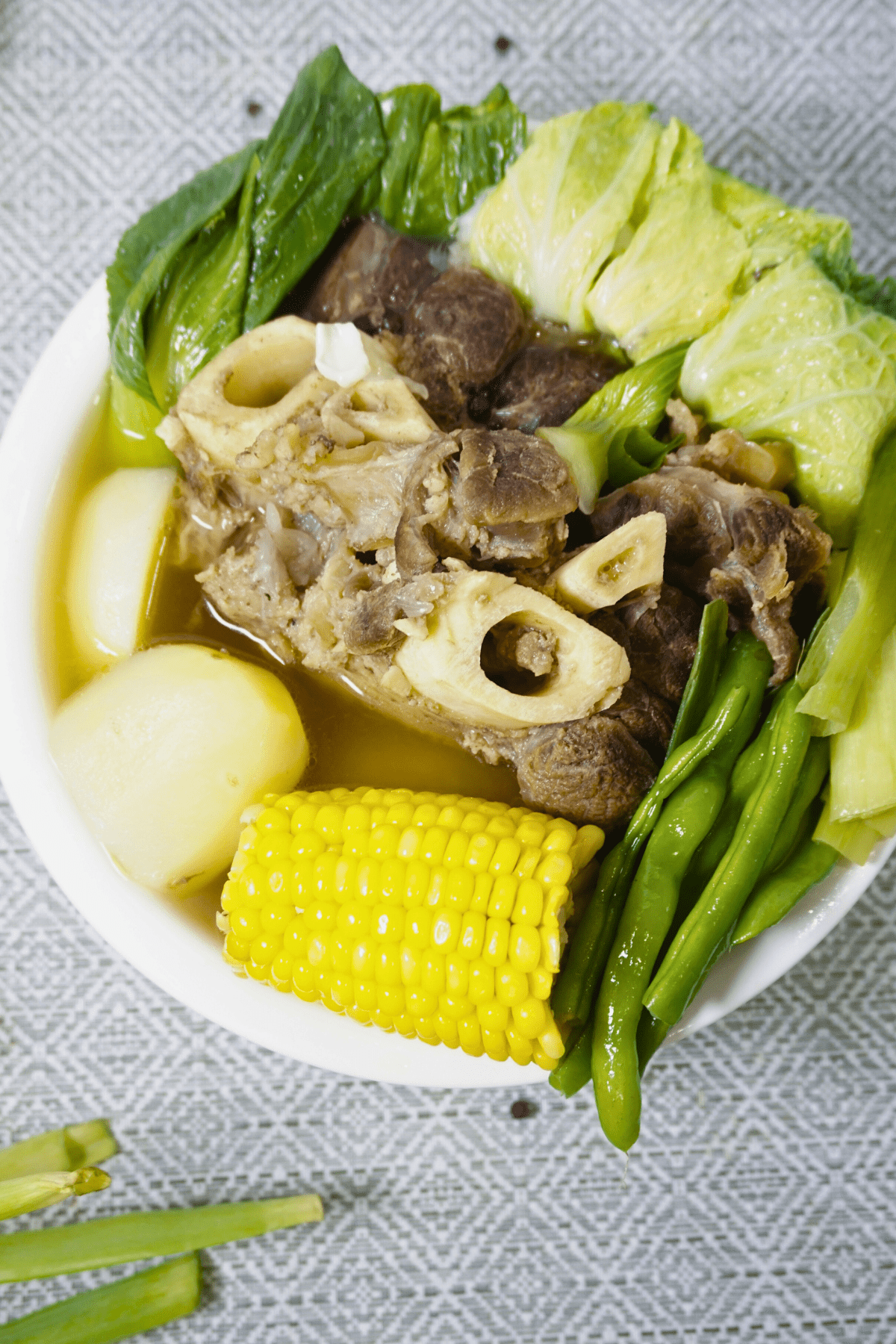
Beef Bulalo
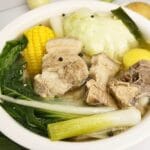
Beef bulalo is all about the bone marrow. After hours of gentle simmering the broth becomes glossy and rich, carrying the deep beefy flavor. The meat turns fork tender and the marrow melts into the soup providing a lush mouthfeel. I love the simple addition of corn and greens which add sweet and slightly crisp contrasts. The steam carries an earthy beef scent that promises comfort. It is the kind of pot you want to leave on the stove for company and come back to when everyone is hungry.
Chicken Sopas Recipe
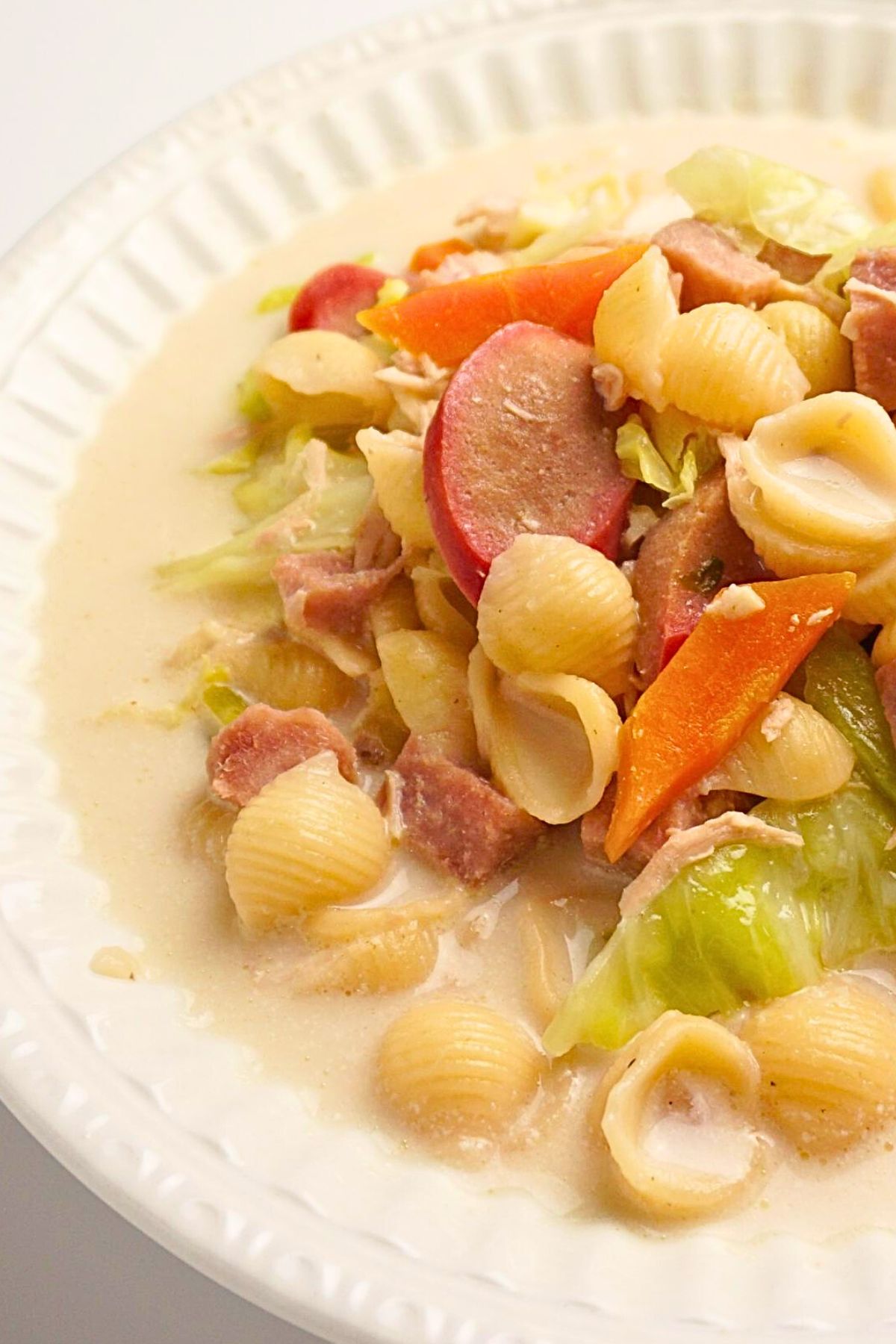
Chicken sopas is a creamy noodle soup that tastes friendly and homey. The soft macaroni soaks up the milky broth while shredded chicken adds gentle savor. Vegetables give small pops of color and texture in each spoonful. I often finish it with a grind of black pepper and a squeeze of calamansi for brightness. This soup is tender and easy to eat, the kind you reach for when someone needs something soothing. The aroma is gentle, like a kitchen that has been quietly cooking all afternoon.
Sinigang na Tilapia Recipe
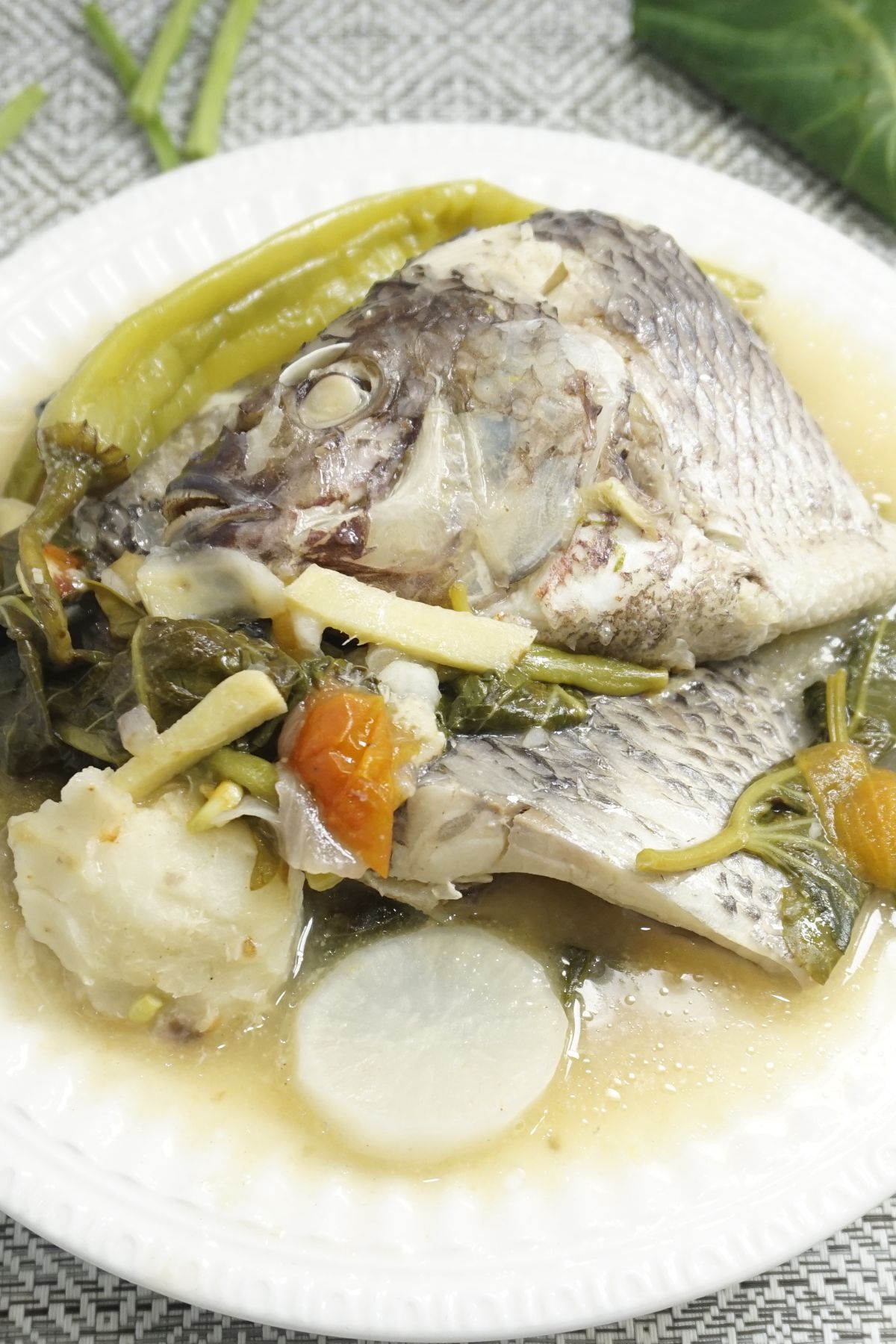
Sinigang na tilapia is tart, bright, and refreshing. The tamarind broth strikes the perfect balance of sour and savory, lifting the delicate flavor of the fish. Vegetables simmer until just tender so they still have a little bite. I love how the steam smells of sour broth and fresh greens, making each spoonful lively. This is a great bowl when you want something light that still satisfies. Serve with hot rice and the tang cuts through the palate in the best way.
Sinigang na Hipon Recipe
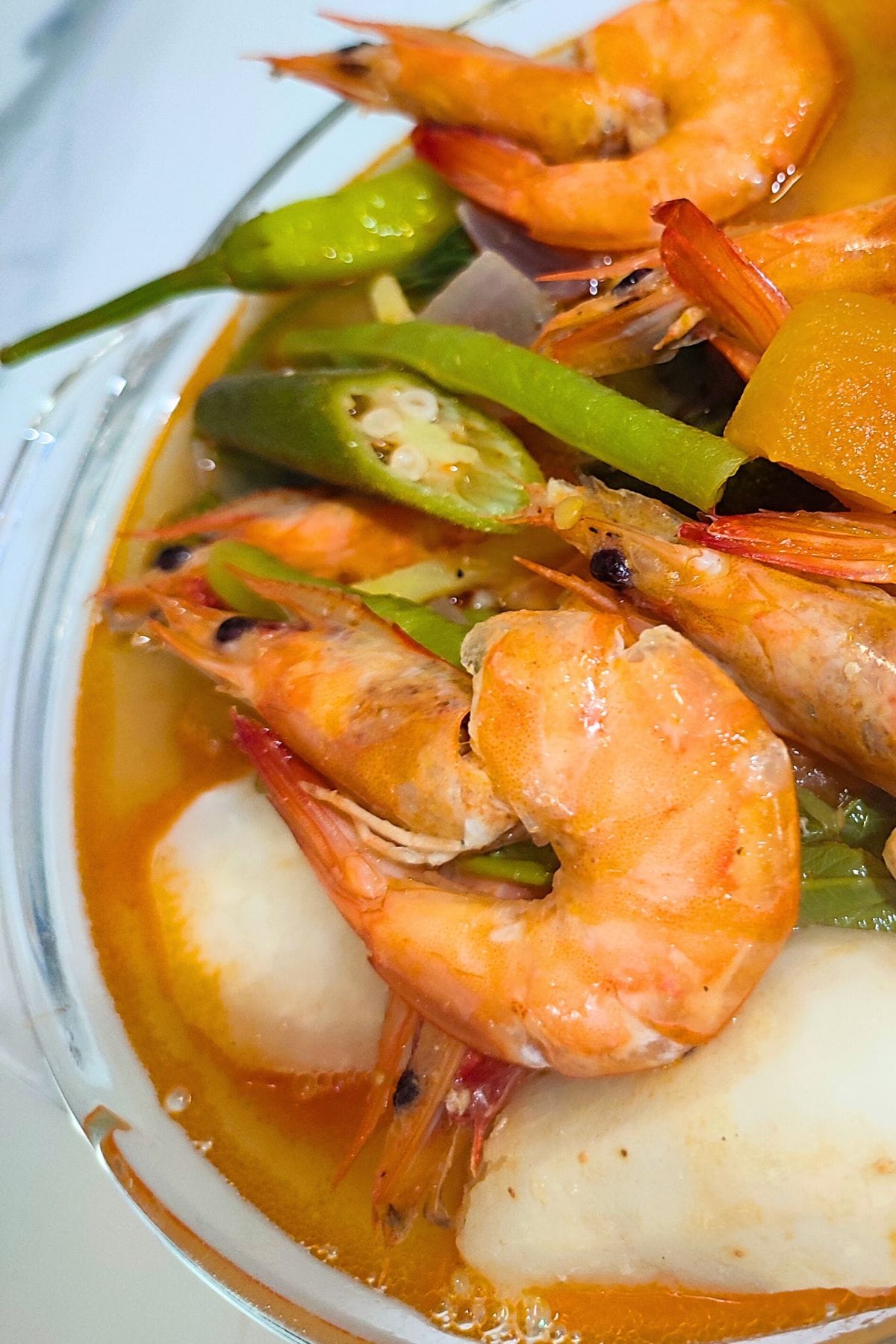
Sinigang na hipon brings bright sourness together with sweet, briny shrimp. The tamarind soup wakes up the taste buds and the shrimp cook quickly, staying tender and springy. Vegetables add texture and soak up the tangy broth. I always taste the soup at the end and adjust sourness with a little extra tamarind paste if needed. The combination of aromatic broth and fresh seafood makes this one of my go to dishes when I want something clean but comforting.
Nilagang Baka (Beef Soup) Recipe
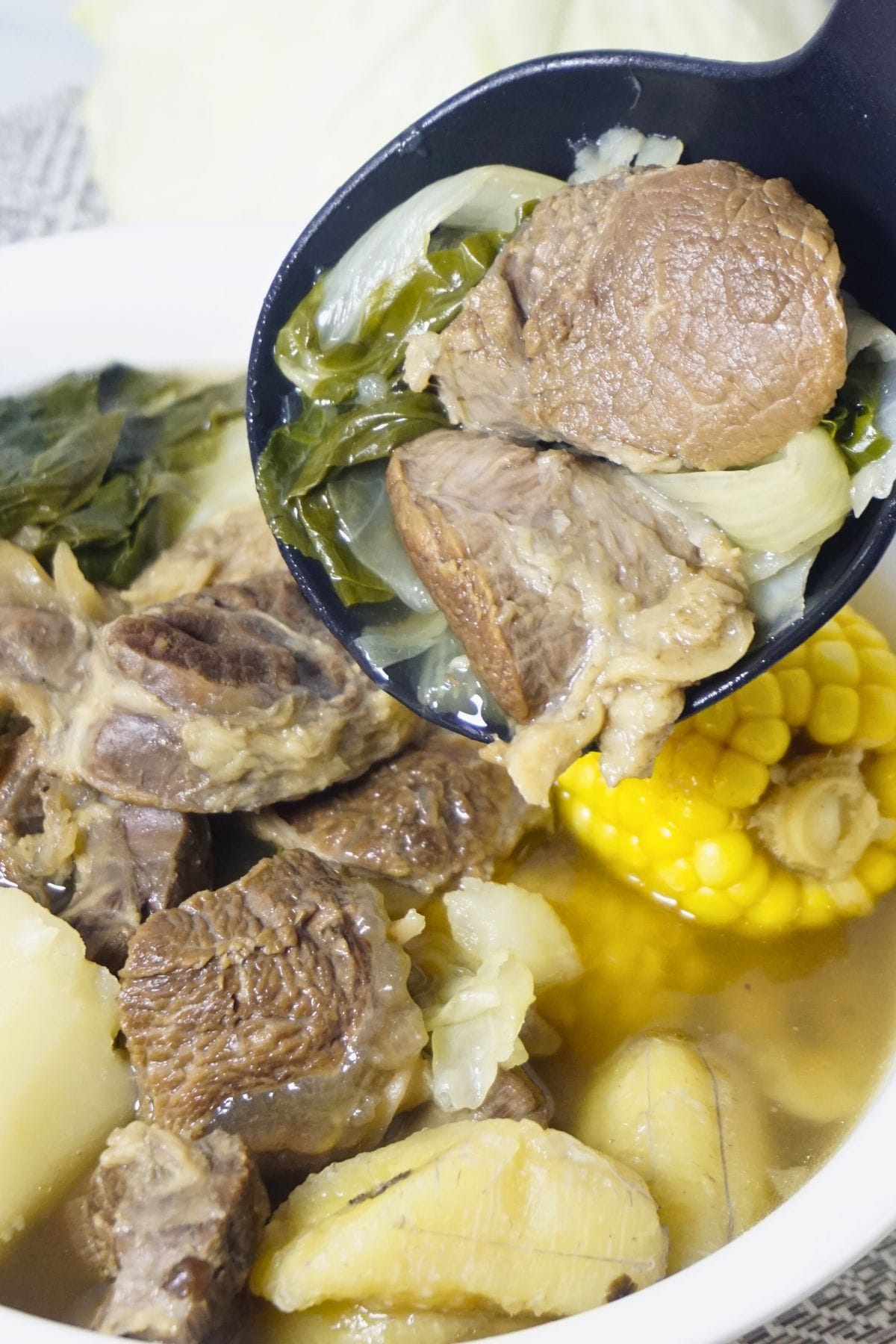
Nilagang baka is a clear beef soup that comforts with simple, honest flavors. Beef becomes tender after slow simmering and the broth carries a clean, meaty aroma. Root vegetables like potatoes and cabbage soak up the savory stock so each bite is satisfying. I prefer to leave the seasoning gentle and let diners add fish sauce at the table for a burst of umami. The texture is straightforward and homey with the soft meat and tender vegetables making it easy to enjoy.
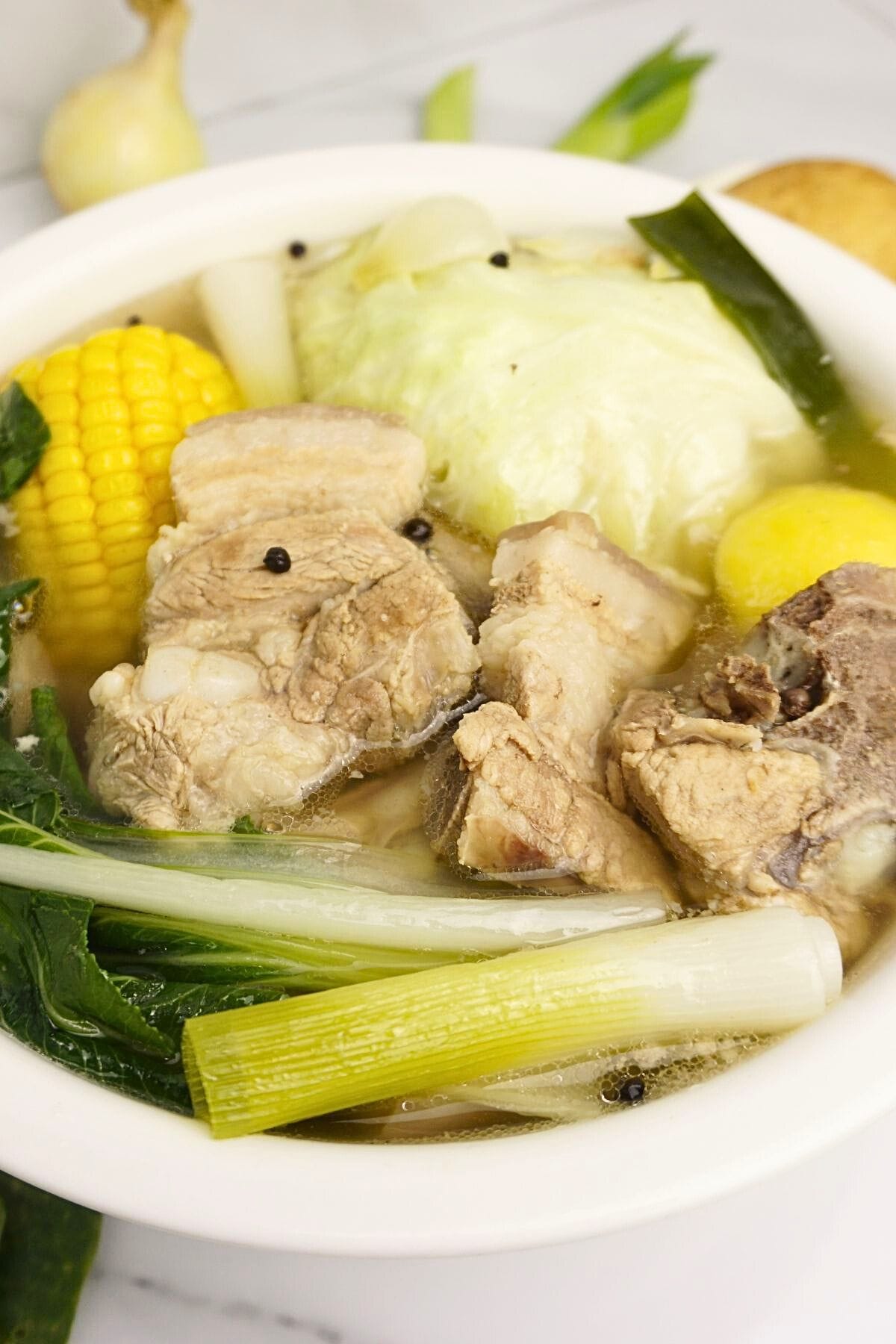
Nilagang Baboy (Boiled Pork Soup)
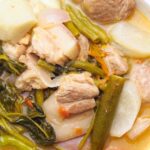
Nilagang baboy offers a gentle, clear pork broth that feels wholesome and light. The pork becomes tender while the soup simmers, releasing a subtle sweetness into the stock. Vegetables cook until soft yet still distinct so every spoonful has a balance of meat and greens. I like adding a side of salted shrimp paste for dipping to introduce a salty contrast. This bowl is unfussy and nourishing, perfect for days when you want warmth without heaviness.
Helpful Cooking Tips
Start soups with good smelling aromatics like ginger or garlic to build flavor from the beginning. For tougher cuts of beef or pork, simmer low and slow until the meat is tender. Taste and season near the end so you do not over salt. When making rice porridge stir often at the end to get that silky texture without sticking. Keep fresh citrus and condiments on the table for diners to brighten their bowls. For clear soups skim the fat with a spoon or chill the broth and remove the solidified fat.
Frequently Asked Questions
How do I make beef soups more flavorful without extra salt?
Use bones with marrow and tougher cuts that release collagen during simmering. Long gentle cooking brings out deep beef flavor. Add aromatic vegetables like onion and leeks early, and include a small piece of ginger or garlic for warmth. A splash of fish sauce or soy can add umami without making the soup taste overtly salty. Finish with fresh herbs or a squeeze of citrus to lift the broth.
Can I substitute chicken for pork in these recipes?
Yes you can substitute chicken for pork in many soups but adjust cooking time. Chicken cooks faster and may need only twenty to forty minutes for the flavors to develop. With pork cuts that require longer simmering you might lose depth if you switch to lean chicken. For a middle ground use bone in chicken pieces to extract more flavor and treat them like the tougher meat by simmering a little longer than usual.
How should I store and reheat homemade soup?
Cool soup quickly before refrigerating by transferring to shallow containers. Store in the fridge for up to three days. For longer keeping freeze in airtight containers for two to three months. Reheat gently on the stove over low to medium heat. If the soup has thick components like noodles or rice add a little water or broth while reheating so it does not dry out. Taste and adjust seasoning after warming.
What is the best way to keep rice porridge from getting mushy?
Use short grain rice or a mix with medium grain and start with a lower water ratio if you prefer more texture. Stirring less frequently at the beginning allows the grains to swell evenly. If you like a slightly broken down porridge stir more towards the end of cooking. If it becomes too thick add hot broth or water in small amounts until you reach the desired creaminess.
How can I control the sourness in sinigang?
Add souring agents like tamarind or sinigang mix a little at a time while tasting. Different brands vary in strength so go slow. If the soup becomes too sour balance it with a pinch of sugar or a small pat of butter to round edges. Potatoes and corn can also absorb acidity. Finish with fresh herbs or a dab of fish sauce to add savory contrast without increasing sourness.
Final Thoughts
There is a Filipino soup for every mood and every table. From silky arroz caldo to bowls heavy with marrow, these recipes bring warmth and simple pleasure. Try a few back to back to see the differences in texture and aroma. Some days you will want a clear broth that comforts quietly while other nights call for a rich, slow cooked pot. Keep notes on what you add or change so your next batch becomes even more personal. Enjoy cooking and sharing these bowls with people you care about.
Related posts:
 Top 15 Classic Filipino Ulam Recipes You Need to Try
  15 Easy Filipino Ulam Recipes for Busy Weeknights
  10 Classic Pork Recipes That Never Fail
  Top Filipino Recipes to Impress Non-Filipinos
  10 Filipino Party-Style Dishes for Any Celebration
  Top 10 Filipino Dishes That Are Best Paired With Rice
  The Most Googled Filipino Recipes and What Makes Them Special
  16 Rice Dishes That Prove Rice Goes with Everything