I love when a home cooked meal outshines what we order on the phone. If you have a craving for rich, saucy, crunchy, or tangy pork dishes, this list is for you. These recipes come from real Filipino cooking traditions and they solve one big problem. You want big takeout flavor without the waiting or extra cost. I tested some of these at home and adjusted seasonings until the rice disappearing trick worked. Expect savory soy and vinegar notes, coconut cream heat, crispy pork crackle, and soups that smell like Sunday afternoons. Ready to try ten pork dishes that actually taste better at the kitchen table?
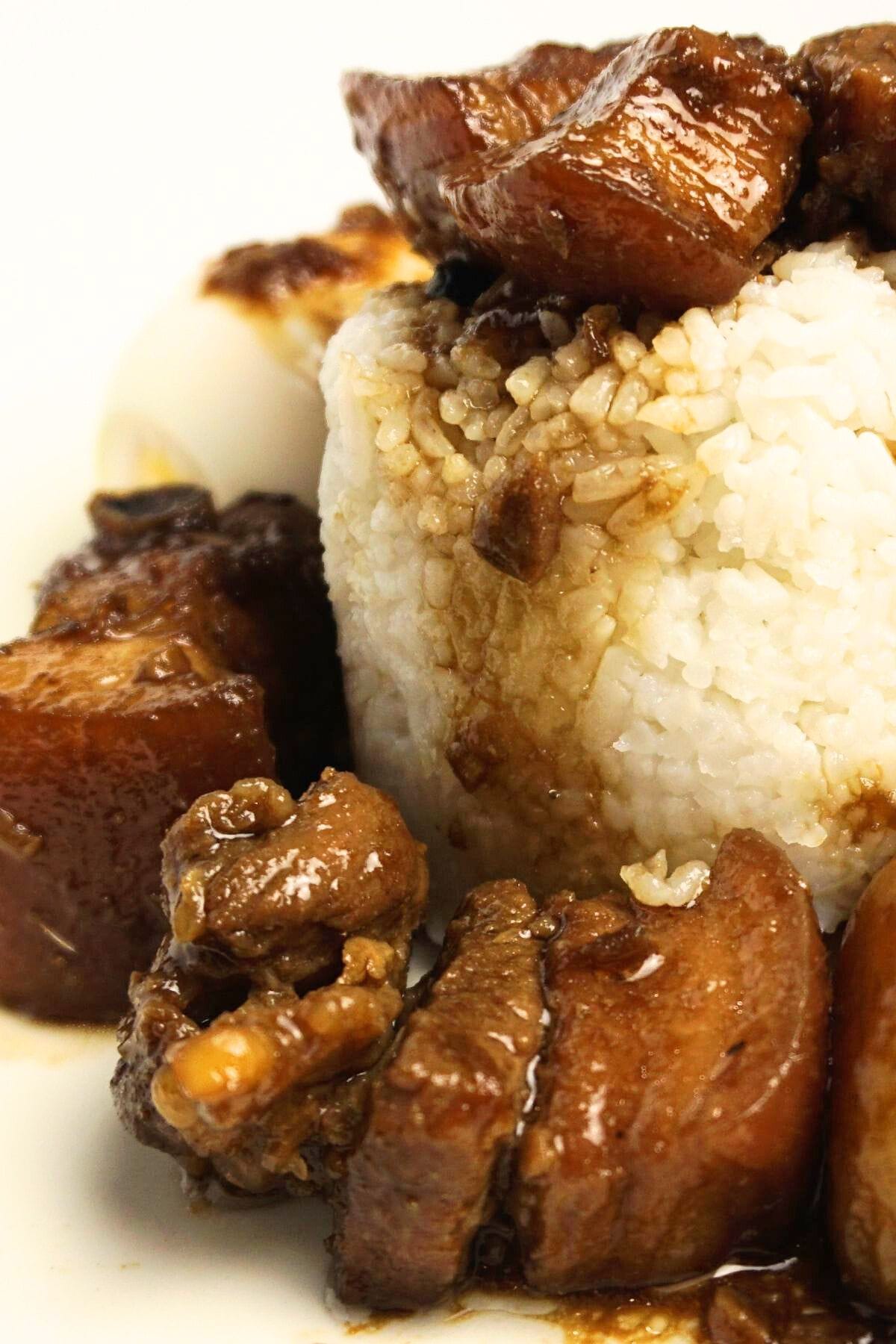
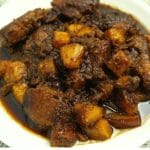
Pork Adobo Recipe
Pork adobo is that familiar mix of soy sauce, vinegar, and garlic turned into a glossy, savory hug for rice. The pork simmers until the sauce coats every bite and the meat pulls apart easily. You get tang from the vinegar, deep saltiness from soy, and a warm garlicky note in the background. When I make this, the aroma fills the house and everyone drops what they are doing. Serve with plain steamed rice so each spoonful balances the sauce, and you will see why adobo feels like home.
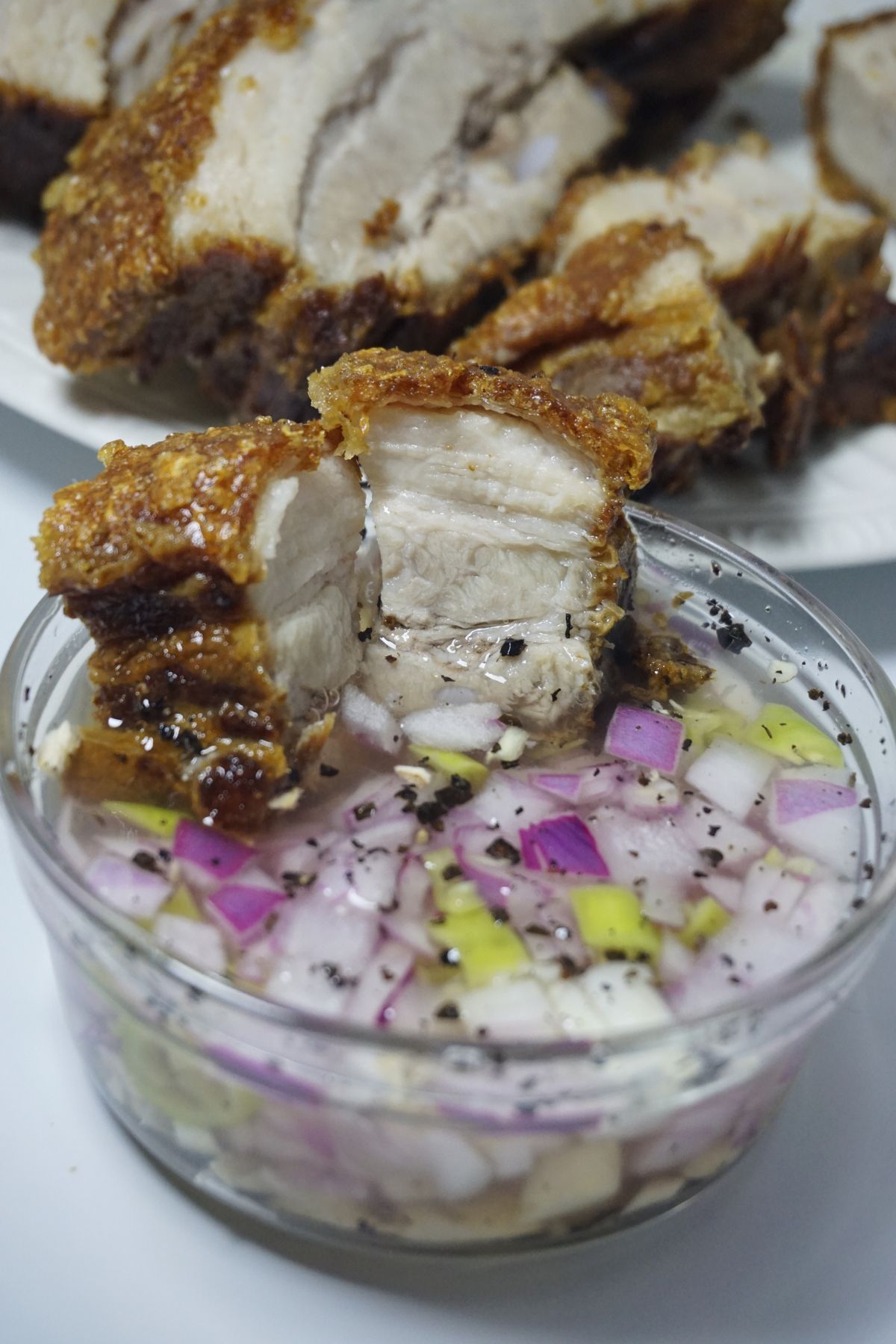
Lechon Kawali
Lechon kawali gives you that irresistible contrast between a crunchy exterior and a tender, juicy inside. The pork belly is boiled to render some fat and then fried until the skin becomes golden and crackly. Each bite starts with a loud crunch and melts into rich, savory meat. I love dipping pieces into a simple vinegar garlic sauce for a bright lift. This one is showy but easy enough at home and the fatty, roasted aroma makes it hard to resist coming back for more.

Creamy and Spicy Bicol Express Recipe
Bicol Express is all about coconut cream and chilies hugging tender pork. The sauce is thick and silky with a heat that builds slowly, not in a way that overpowers the coconut richness. You taste the sweetness of coconut milk, the warm spice of chilies, and a savory pork backbone. I always serve this with steaming rice to absorb the sauce. The aroma of garlic and coconut cooking together is intoxicating and the first spoonful usually earns an audible “wow” from my table.
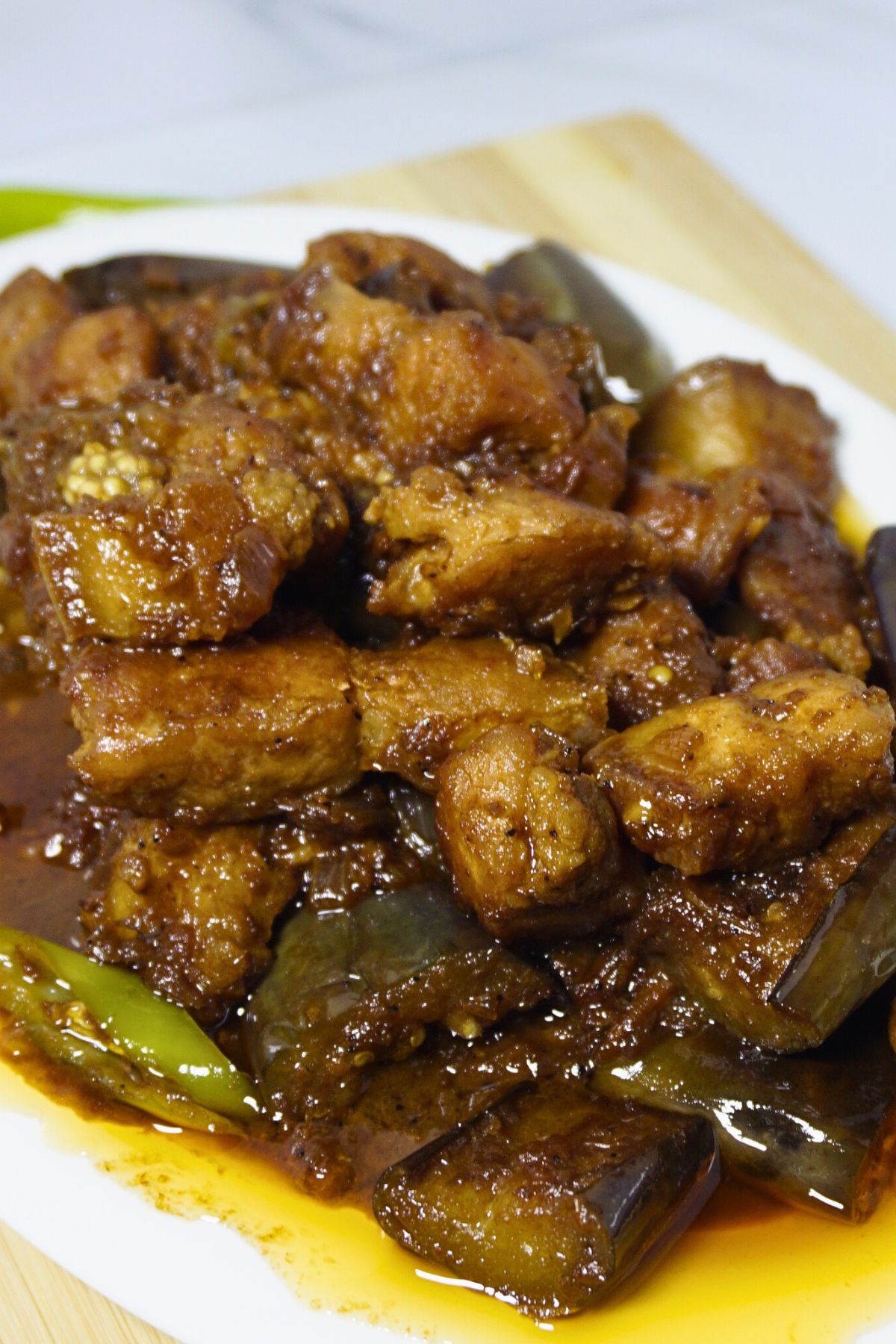
Pork Binagoongan
Pork binagoongan is bold and deeply savory thanks to shrimp paste that melts into the cooking sauce. The pork becomes tender while absorbing salty, umami rich flavors that pair beautifully with plain rice. There is a hit of shrimp paste funk that turns into a rounded, savory profile once cooked. Sometimes I add a few slices of eggplant to soften the salt and add texture. This dish feels like a punchy, satisfying plate that keeps you reaching for another forkful.
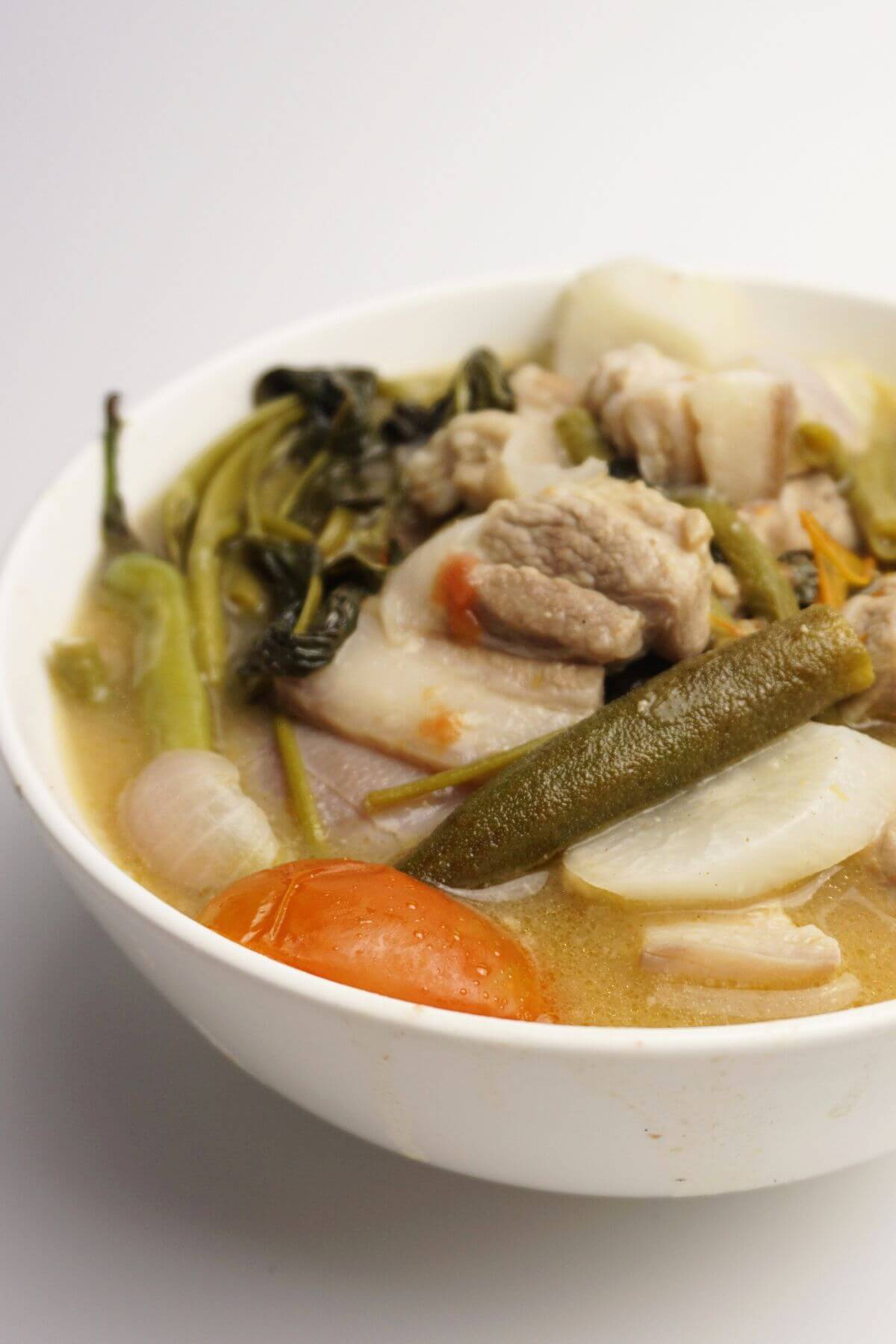
Pork Sinigang
Pork sinigang is a bright, tangy soup that warms you from the inside out. The tamarind based broth has a lively sourness that frames the pork and vegetables without covering their natural taste. Soft pieces of pork and crisp veggies like radish and kangkong soak up the broth, creating a spoonful that is both tart and soothing. When I make sinigang, the kitchen smells fresh and the table becomes a slow comforting gathering. It is the kind of soup you crave on rainy afternoons or when you want something light yet satisfying.
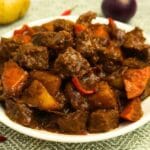
Pork Caldereta
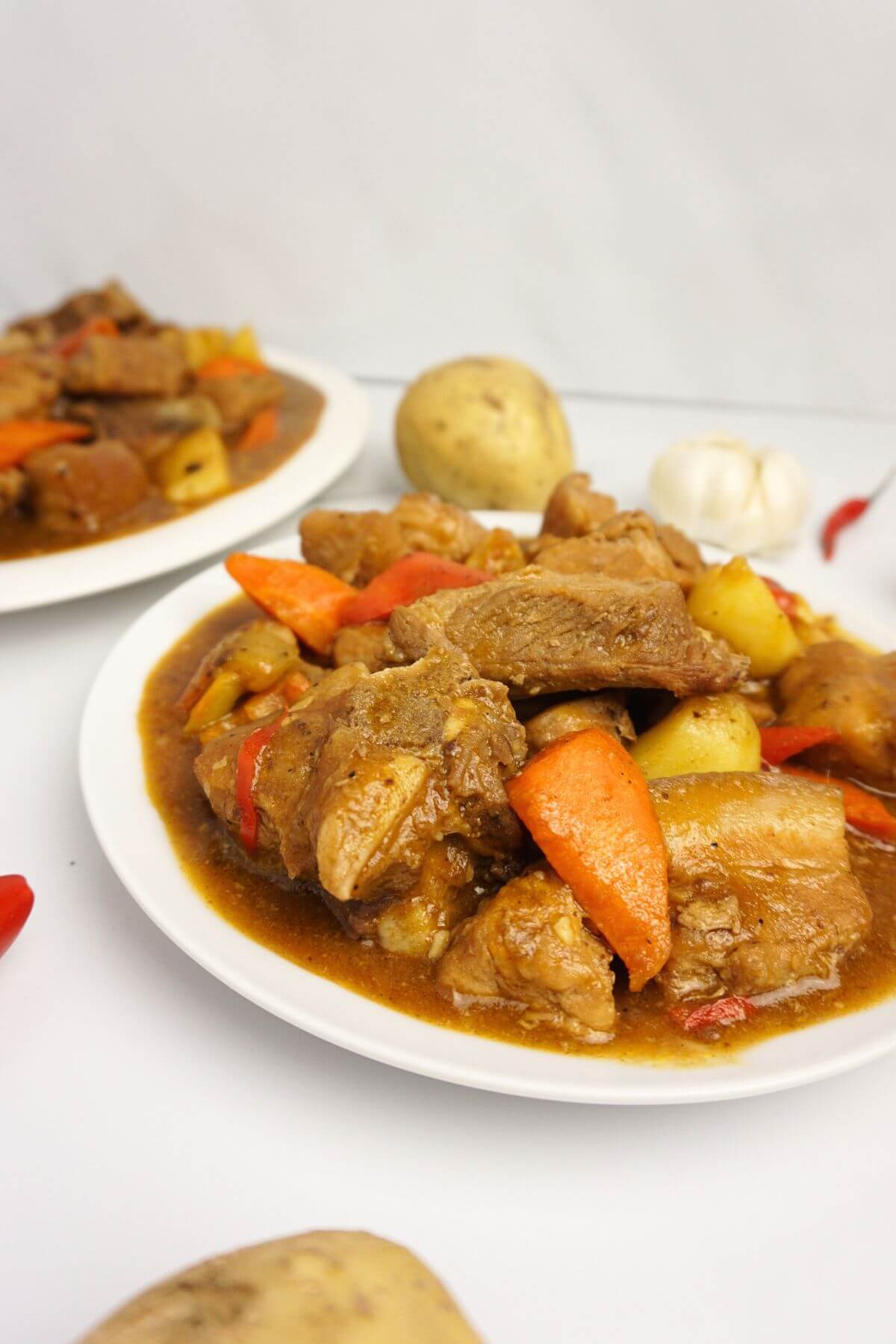
Pork caldereta is a tomato forward stew that is rich and slightly sweet with a meat that falls apart in your spoon. The sauce is thick and hearty, often brightened with carrots and bell peppers. A touch of liver spread or cheese makes the sauce velvety and gives it depth. I like to simmer this slowly so the flavors marry and the pork becomes silky. Serve caldereta with steamed rice or soft bread to soak up every drop of the sauce for a truly satisfying meal.

Lumpiang Shanghai
Lumpiang Shanghai are little golden rolls filled with seasoned ground pork and crunchy vegetables. Each roll is crisp on the outside and juicy inside with savory pork that is lightly spiced. I always make the filling just right so you still taste a hint of sweetness and a pop of onion. These are party friendly and perfect dipped in sweet chili or a vinegar soy dip. Hot from the fryer they smell irresistible and make great finger food while dinner is still being prepared.
Pork Sisig Recipe
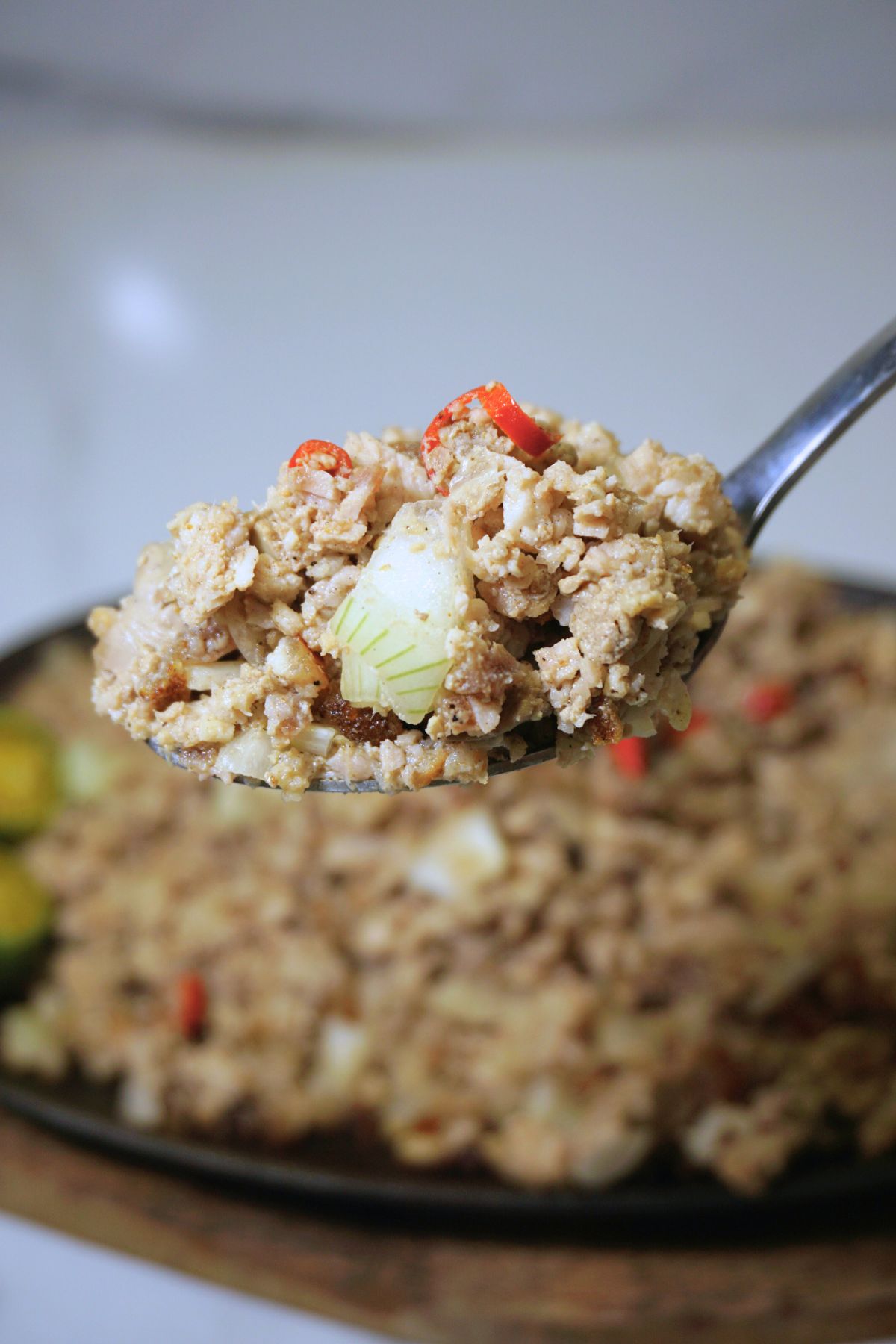
Pork sisig is a lively mix of finely chopped pork with onions and chilies that delivers texture and punch. The meat is crisp around the edges and tender inside, and the onions add freshness while the chilies lift every bite. I like to serve this sizzling so the aroma of caramelized pork hits the nose first. Spoon it over rice for a messy, joyful meal where every forkful brings crunch, tang, and a little heat. It goes especially well with an ice cold drink after a long day.

Pork Menudo
Pork menudo is a bright tomato based stew loaded with pork, vegetables, and sometimes liver spread for extra depth. The sauce has a gentle sweetness and acidity that complements the tender pork pieces. Carrots and potatoes soak up the sauce, giving each bite variety of texture. When I make menudo I aim for a balance where the tomato is present but not overwhelming. The result is a homey, hearty plate that feels familiar and keeps on tasting better as it sits.
Tokwat Baboy Recipe
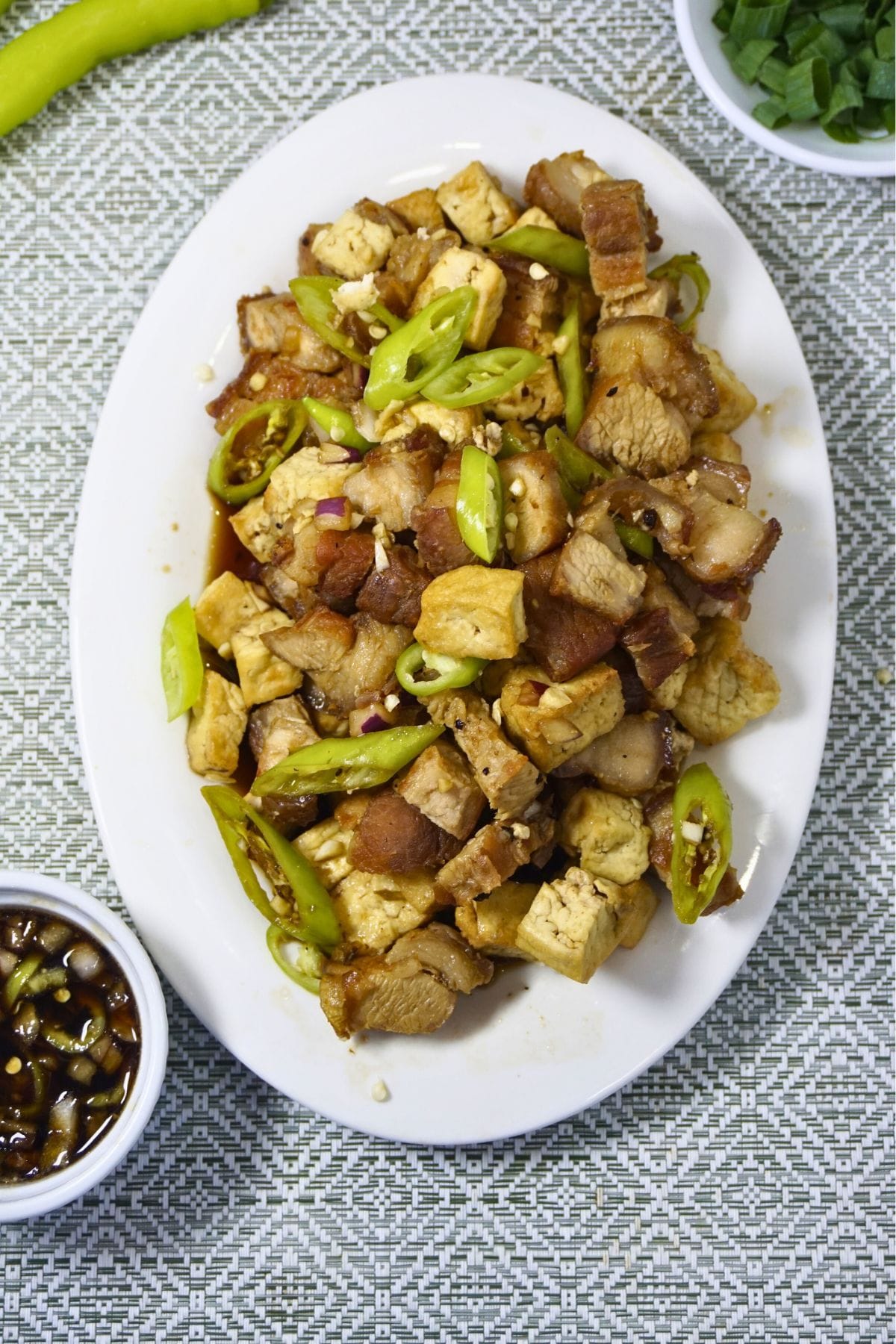
Tokwat baboy brings together crispy tofu and tender pork in a tangy savory sauce that wakes up your palate. The contrast between the crunchy tofu exterior and the soft pork is delightful. A vinegar and soy based dressing ties everything together with a little raw onion bite and sometimes chili heat. I love how simple assembly leads to bright flavors and varied textures in one bowl. This dish is great as an appetizer or as part of a main meal to add a lively acidic kick.
Helpful Cooking Tips
Start by choosing the right cut for each dish. Pork belly is best for lechon kawali and binagoongan because of the fat that crisps and flavors the sauce. Use shoulder or butt for adobo, caldereta, and menudo so the meat becomes tender during slow simmering. For soups like sinigang, slightly fatty cuts add richness without overpowering the tang. Control salt in shrimp paste dishes by adding it gradually. Always taste as you cook and adjust vinegar, soy, or chilies to your preference. Finally, rest fried pork briefly on a rack to keep it crisp instead of soggy.
Frequently Asked Questions
Can I make these pork dishes ahead of time and reheat them?
Yes most of these dishes reheat well and sometimes taste even better the next day. Stews like adobo, caldereta, and menudo deepen in flavor after resting. Store them in airtight containers in the refrigerator for up to three days. For crispy items like lechon kawali and lumpiang shanghai, reheat in an oven or air fryer to bring back crispness. Avoid microwaving fried foods unless you like them soft.
Which pork cuts are best for stews compared to frying?
For stews choose cuts with some connective tissue and fat such as pork shoulder or butt. These break down with long simmering and become tender and flavorful. For frying or crisping choose pork belly for its layered fat and meat which crisps beautifully. Tenderloin or loin can work for quick pan searing but can dry out if overcooked. Match the cut to the cooking method for best texture and taste.
How do I control the spice level in dishes like Bicol Express and Sisig?
Adjust spice by the type and amount of chilies you add. For Bicol Express use fewer chilies or remove seeds to reduce heat while keeping the coconut cream richness. In sisig swap hot chilies for milder ones or add them in small amounts near the end so you can test the heat. You can also balance spice with a touch of sugar or more coconut milk for Bicol Express and with a squeeze of calamansi for sisig.
Are there simple side dishes that pair well with these pork recipes?
Yes steamed white rice is the classic partner for most of these recipes because it soaks up sauces and balances strong flavors. Fresh slices of cucumber, tomatoes, or a simple green salad add brightness. For fried dishes try a vinegar garlic dip. Pickled papaya or atchara works great with rich or fatty pork items to cut through the richness. Simple sides keep the plate balanced and let the main dish shine.
Can I substitute ingredients for dietary restrictions like low sodium or less fat?
You can reduce sodium by using low sodium soy sauce and moderating added salt. For less fat choose leaner cuts such as pork loin or trim visible fat before cooking. Stews can be cooked with less oil and finished with a squeeze of citrus for brightness. If avoiding shrimp paste try a small amount of fish sauce or miso for umami, but adjust carefully since flavors will change. Tasting as you go helps maintain balance.
Final Thoughts
These ten pork recipes cover crisp textures, rich sauces, bright soups, and bold fermented flavors that show why Filipino home cooking beats takeout. Each dish brings something different to the table and makes dinner feel like an occasion. Try a few that match what you already enjoy and then experiment with bolder ones as you grow more confident. Cook a pot of sinigang on a rainy day, crisp lechon kawali for a weekend treat, and whip up lumpiang shanghai when guests arrive. Have fun, taste often, and enjoy the delicious smells filling your kitchen.
Related posts:
 Top 15 Classic Filipino Ulam Recipes You Need to Try
  15 Easy Filipino Ulam Recipes for Busy Weeknights
  10 Classic Pork Recipes That Never Fail
  Top Filipino Recipes to Impress Non-Filipinos
  10 Filipino Party-Style Dishes for Any Celebration
  Top 10 Filipino Dishes That Are Best Paired With Rice
  The Most Googled Filipino Recipes and What Makes Them Special
  16 Rice Dishes That Prove Rice Goes with Everything