I love those days when I want something hearty but not fussy. If you are staring at a slab of pork and wondering what to do, this roundup is for you. I picked dishes I cook often at home, the ones that make rice disappear fast and bring people to the kitchen. From tangy stews to crispy fried pork and creamy coconut warmth, these recipes show how versatile pork is in Filipino cooking. Read on and you will find a mix of bright, spicy, savory, and sweet to try today.
Pork Adobo Recipe
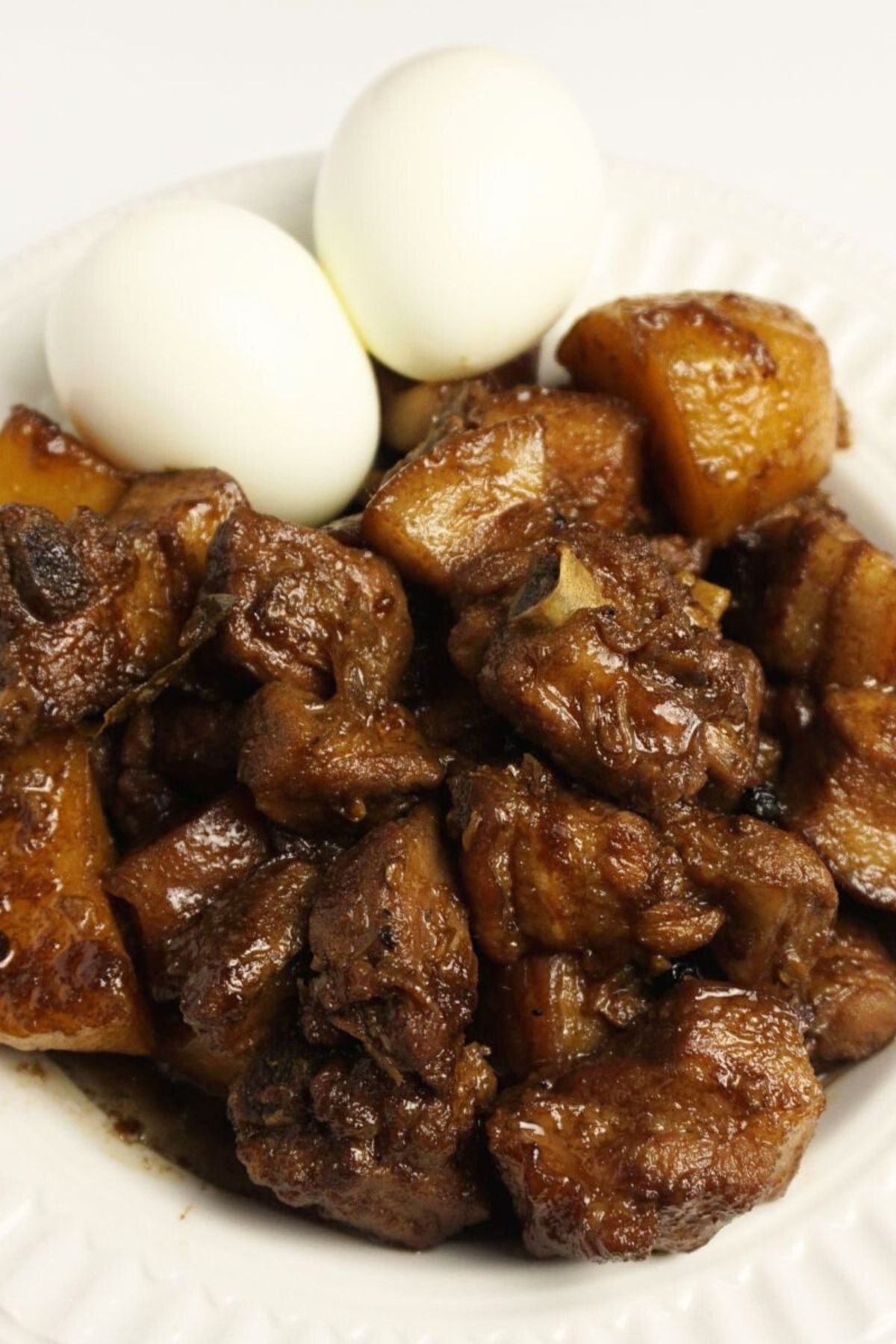
Pork adobo is that familiar mix of soy, vinegar, and garlic that smells like home the moment it simmers. This version has tender pork that soaks up a glossy, slightly tangy sauce. The meat is soft and juicy while the sauce clings to every bite. I like a bit of black pepper to wake it up. Serve it with hot rice and you get that savory, a little sour, a little sweet balance in every forkful.
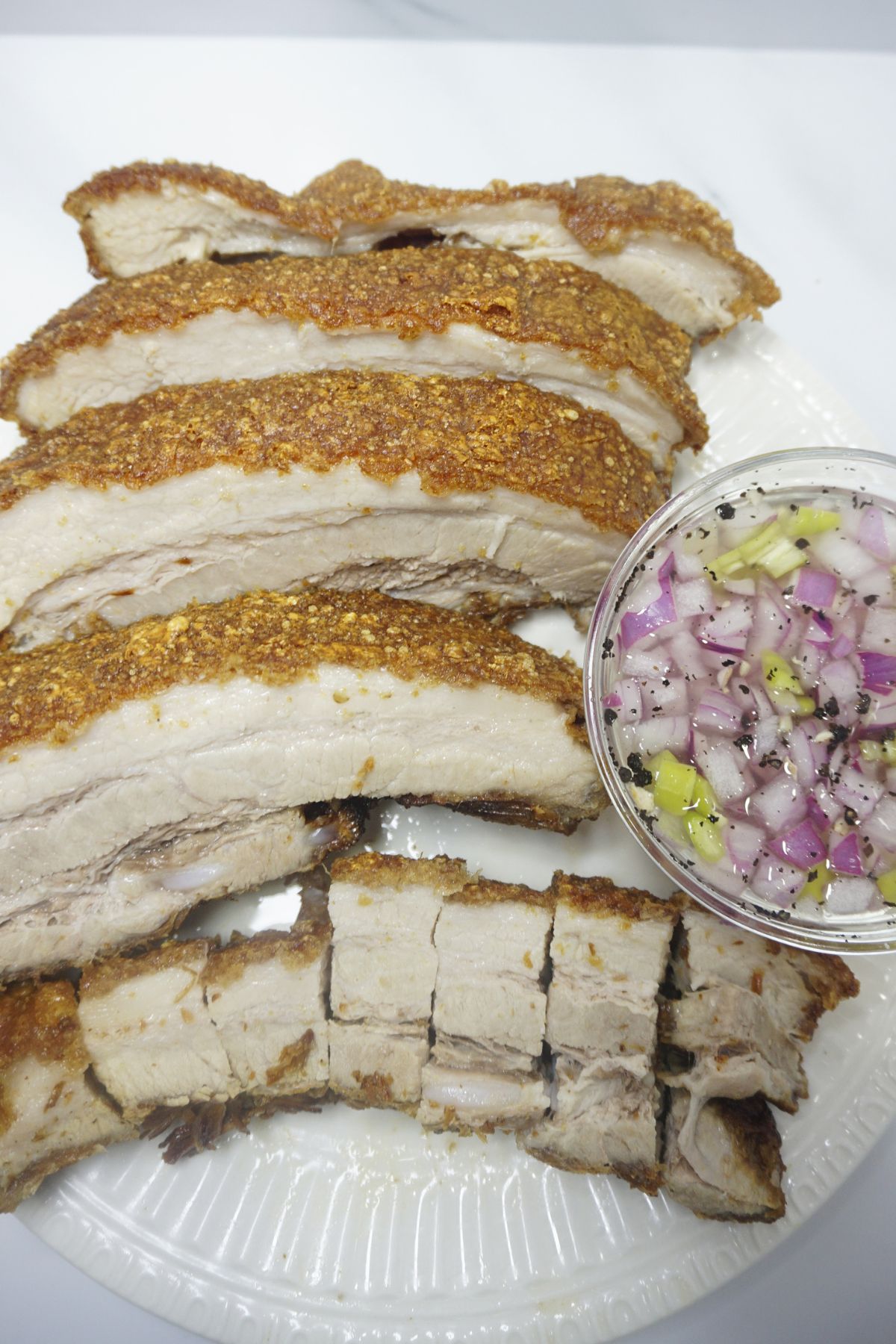
Lechon Kawali
Lechon kawali is pork belly cooked until the skin turns into crackly, crunchy bliss while the inside stays silky and tender. When I fry it at home the aroma of sizzling pork fills the kitchen and everyone waits for the first crispy bite. The contrast between the brittle outer layer and the soft meat is what makes it irresistible. Pair it with a tangy dipping sauce and warm rice and you will understand why it disappears fast.

Lumpiang Shanghai
These little rolls are golden, thin, and utterly crunchy on the outside with a savory ground pork filling inside. The filling is seasoned lightly so the pork stays juicy and not too heavy. I always make extra because the crisp wrapper and warm, savory center are perfect as a snack or with rice. The aroma while frying is nostalgic, and the texture mix keeps everyone reaching for more.
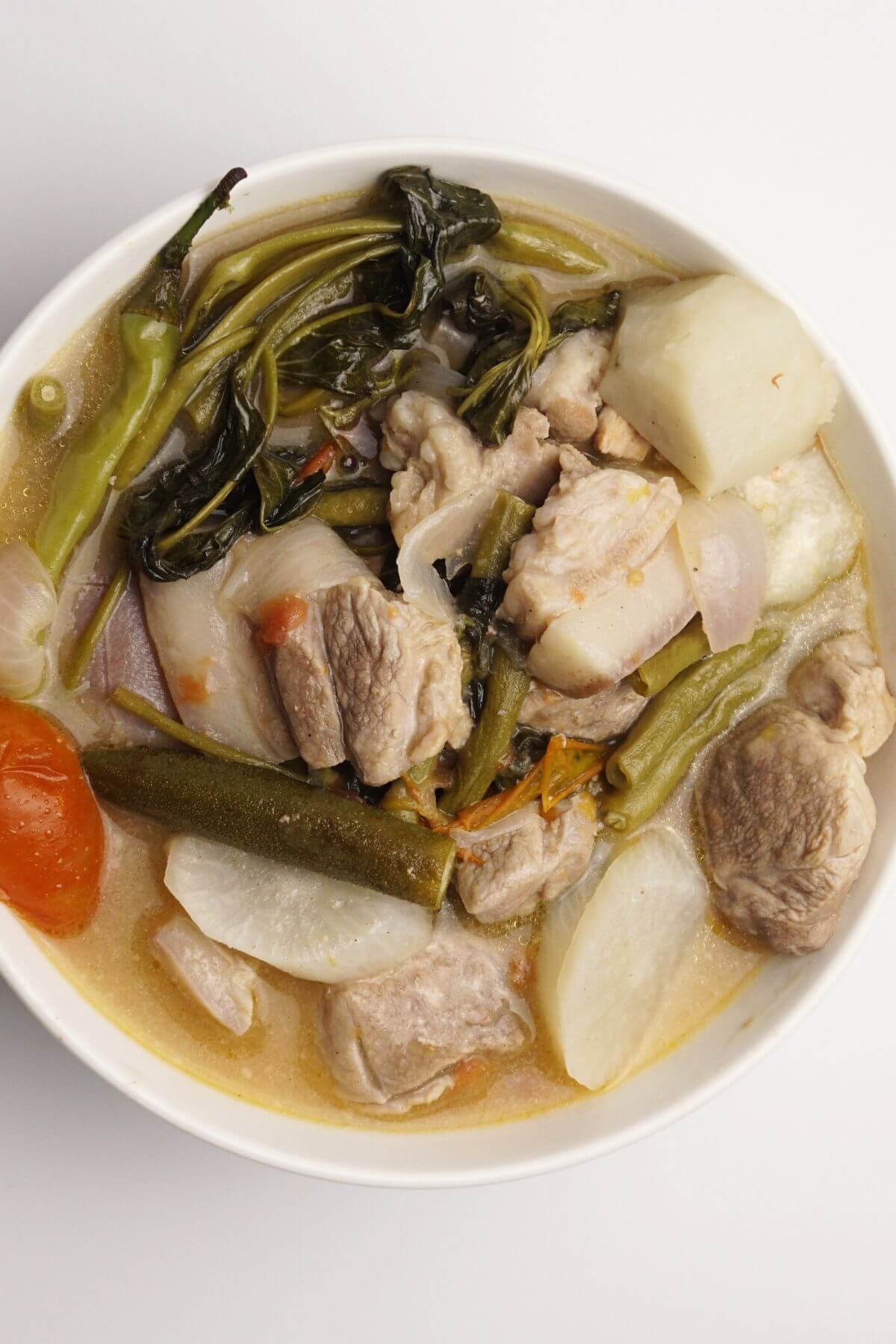
Pork Sinigang
Pork sinigang is all about the bright tamarind tang that makes the broth lively and refreshing. The pork becomes tender from gentle simmering and the vegetables soak up that sour, savory broth. Every spoonful feels light yet satisfying. I love the fragrant steam when it comes off the pot on a rainy day. It is simple to make and the sourness wakes up the appetite with a comforting, warm hug.
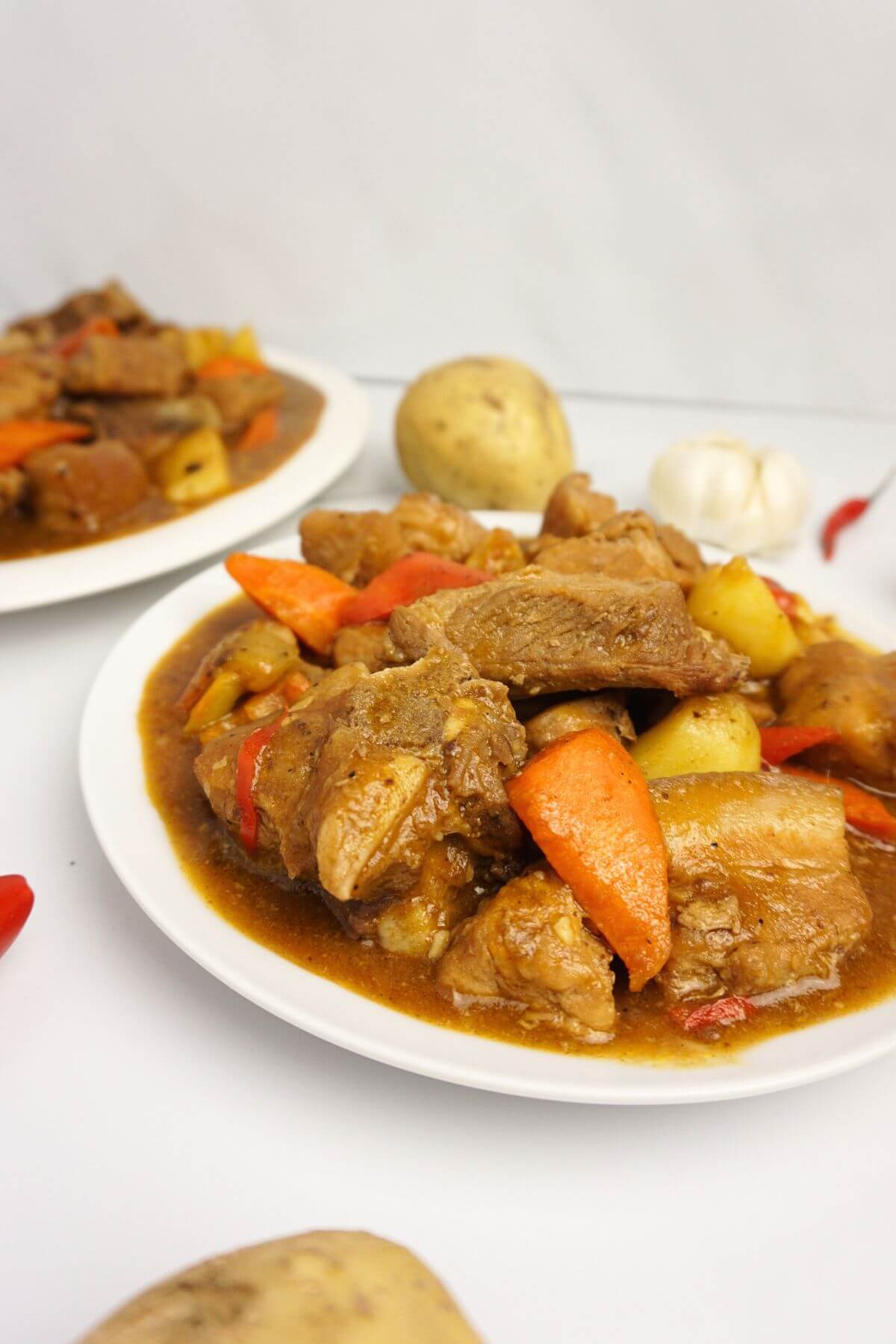
Pork Caldereta
Pork caldereta simmers pork in a rich tomato sauce with soft vegetables and deep, savory seasonings. The sauce becomes thick and comforting as it bubbles, coating fork tender pieces of pork. You get a slightly sweet and tangy tomato base with savory depth that clings to rice. When I spoon it over steamed rice the mix of soft carrots and tender meat makes every bite cozy and satisfying.
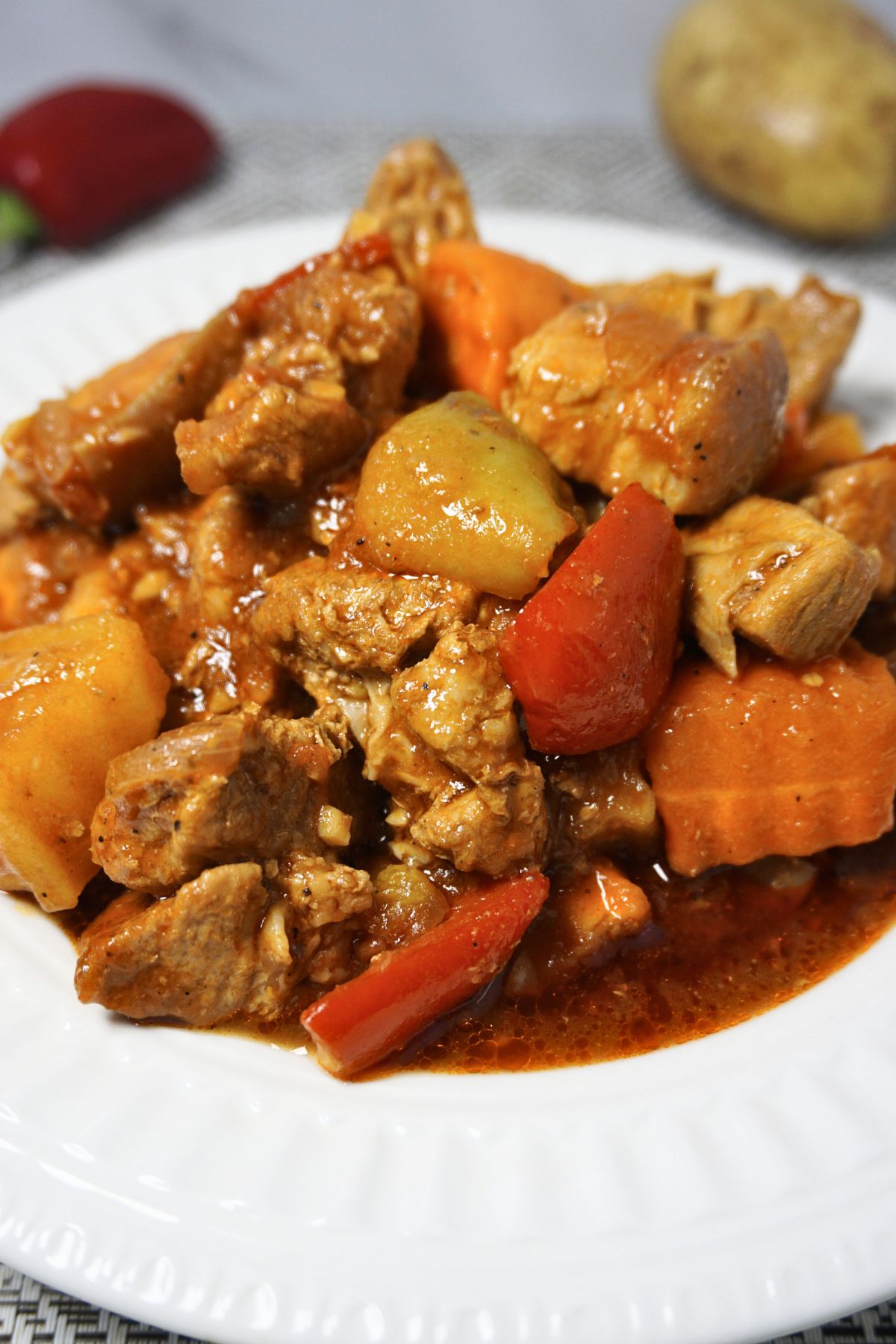
Pork Afritada
Pork afritada features pork cooked in a bright tomato sauce with colorful vegetables that stay soft but not mushy. The sauce is mildly sweet and savory and the pork melts into it as it cooks. I enjoy how the tomatoes give a fresh lift while the meat keeps the dish hearty. It is comfort on a plate without being heavy. Serve it with plain rice to soak up that lovely red sauce.

Pork Menudo
Pork menudo is a friendly pot of pork and vegetables in a tomato sauce with bits of liver for extra richness. The pork pieces are tender and the sauce is slightly sweet with a mellow tomato tang. Each bite has a soft mix of potatoes, carrots, and meat, which makes it easy to sit with for a long meal. I find it tastes even better the next day after the flavors settle and marry together.
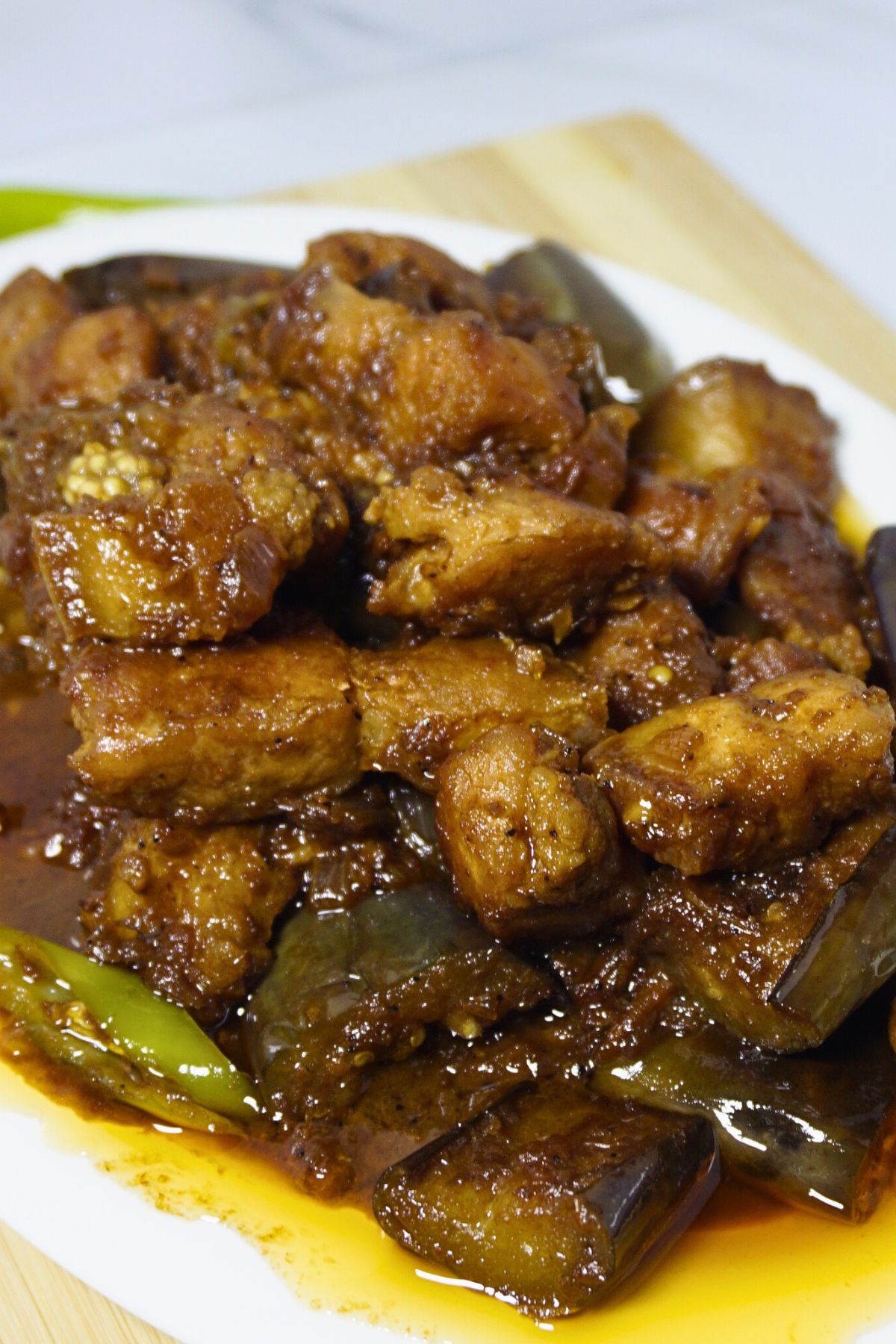
Pork Binagoongan
Pork binagoongan brings a bold shrimp paste taste that hugs the pork as it simmers. The sauce turns rich and savory, with an umami punch that brightens with a squeeze of calamansi or vinegar. The meat softens and soaks up those complex salty notes. If you like strong, assertive flavors, this dish makes each rice bite exciting. I often add a touch of sugar to balance the intensity and create a rounded finish.
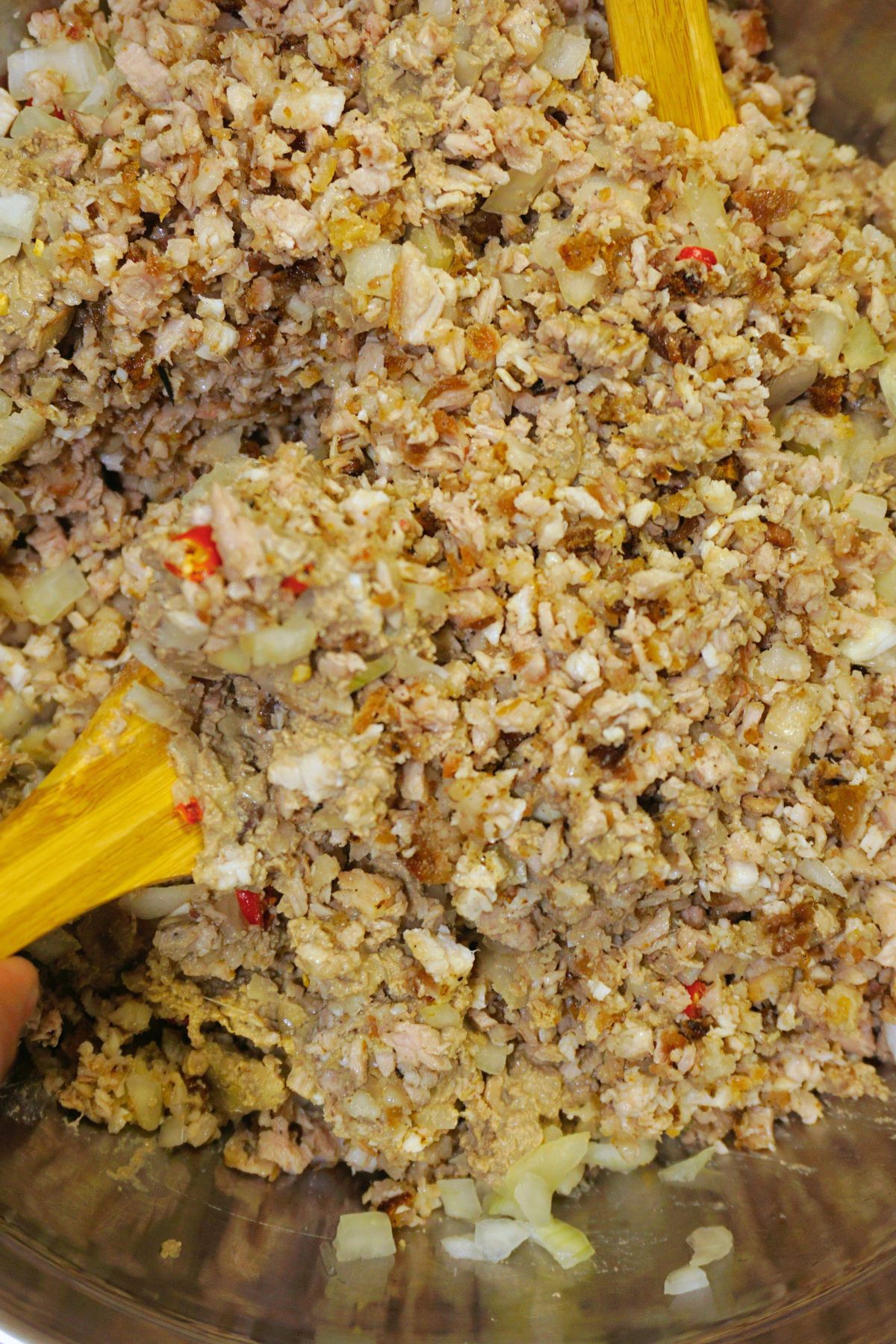
Pork Sisig Recipe
Pork sisig is a playful mix of finely chopped pork, onions, and chilies served sizzling hot. The texture is chewy and crisp in parts with bursts of spicy, tangy seasoning. When it hits the plate it sizzles and the aroma of caramelized bits makes mouths water. I like to squeeze fresh calamansi on top for a bright lift. It is lively and messy in the best way, begging to be eaten with warm rice and a cold drink.

Creamy and Spicy Bicol Express Recipe
Bicol express delivers creamy coconut richness with a spicy kick from chilies. The pork is tender and coated in a silky coconut sauce that warms the palate. Aromas of garlic and coconut fill the kitchen as it simmers. I love how the coconut milk smooths the heat so every spoonful is a balance of cream and spice. It pairs beautifully with rice that absorbs the sauce and keeps you going back for more.
Helpful Cooking Tips
Start by choosing the right cut for each dish. Pork belly gives richness and crispiness while shoulder or butt works well for stews that need slow cooking. Trim excess fat if you want lighter results. When simmering stews, low and slow yields tender meat and deeper flavors. For fried items, dry the pork well so oil stays hot and the outside crisps quickly. Taste as you go and adjust vinegar, salt, or sugar in small steps. Finally, use leftover cooked pork to build new meals the next day like fried rice or wraps.
Frequently Asked Questions
What pork cut is best for pork adobo?
For pork adobo I usually pick pork belly or shoulder. Belly gives that silky fat and soft texture while shoulder or butt becomes very tender when simmered for a longer time. If you prefer less fat go for shoulder and trim some pieces. The trick is to simmer until the meat is fork tender and the sauce reduces to a glossy finish that coats the pieces.
How do I get truly crispy lechon kawali at home?
Dry the pork skin thoroughly before frying and pat it with salt. Boiling the pork until nearly tender first helps. When frying, make sure the oil is hot so the skin puffs up quickly and becomes brittle. Fry in batches and avoid overcrowding. After frying, drain on a rack for best crispness. I also let the pork rest a bit before cutting so the skin keeps its crunch.
Can I make these dishes ahead and reheat later?
Most of these pork dishes actually taste better the next day as the flavors meld. Store cooled food in airtight containers in the refrigerator for up to three days. For reheating, use a pan over low heat with a splash of water to loosen the sauce or microwave in short bursts. Fried items are best crisped in an oven or pan instead of the microwave to restore texture.
How can I reduce spiciness in Bicol express or sisig?
If a dish is too spicy, add more coconut milk for Bicol express to mellow the heat and create creaminess. For sisig, squeeze in citrus like calamansi or add a little sugar to round the edge of the chili. Serving with plain rice also helps balance spiciness. Add small amounts at a time and taste until it reaches the heat level you enjoy.
What are quick side dishes to serve with these pork recipes?
Plain steamed rice is the classic partner for most Filipino pork dishes and soaks up sauces beautifully. For a lighter side try a fresh salad with tomatoes and cucumber or a simple pickled relish to cut through richness. Steamed vegetables or sautéed greens keep the meal balanced. For special occasions, fried plantains or garlic fried rice add extra comfort and texture.
Final Thoughts
There is so much joy in cooking pork the Filipino way. These ten recipes show how one ingredient can become many different meals from tangy and bright to creamy and spicy. I hope you try a few and see which ones become your go to dishes. Cook a pot of sinigang on a rainy day, crisp up lechon kawali for a weekend treat, and save leftovers to reinvent into fried rice. Let your kitchen smell like home and enjoy every bite.
Related posts:
 Top 15 Classic Filipino Ulam Recipes You Need to Try
  10 Classic Pork Recipes That Never Fail
  Top Filipino Recipes to Impress Non-Filipinos
  10 Filipino Party-Style Dishes for Any Celebration
  Top 10 Filipino Dishes That Are Best Paired With Rice
  16 Rice Dishes That Prove Rice Goes with Everything
  10 Filipino Vegetable Dishes with Meat
  9 Must Try Filipino Bangus and Tilapia Recipes