I love the challenge of turning humble vegetables into meals that feel substantial and satisfying. In Filipino cooking that often means pairing crunchy greens and bright vegetables with small amounts of pork, shrimp, or eggs so each spoonful sings with texture and depth. These recipes solve that everyday question of how to make dinner both healthy and filling without extra fuss.
From simmered adobo beans to coconut cream veggies with shrimp, I picked recipes that highlight the vegetable while adding a savory protein note. Read on and imagine the aroma of garlic and vinegar, the silkiness of coconut milk, and the happy crunch of crisp-tender veggies that make rice disappear fast.
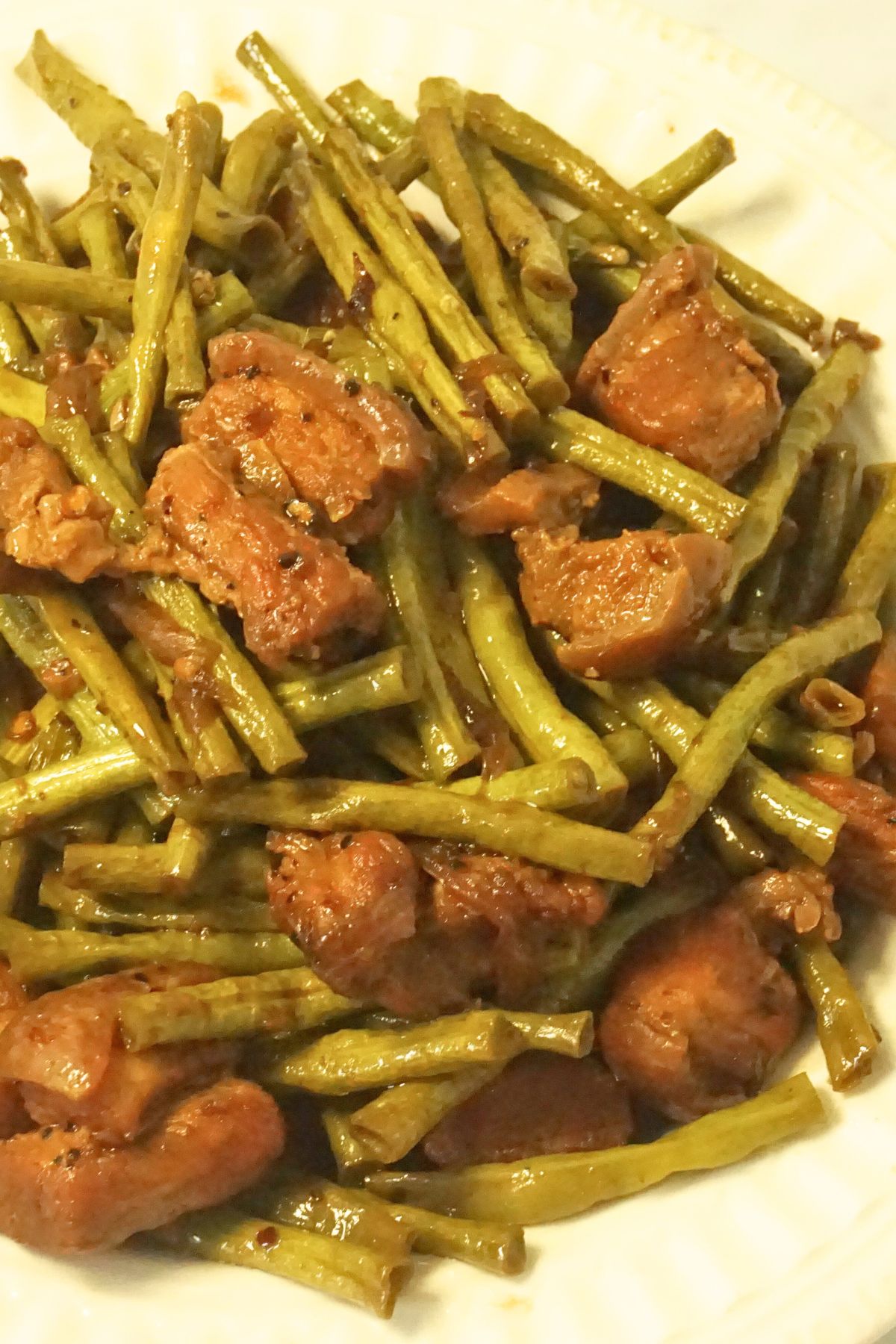
Adobong Sitaw with Pork
This one brings long green sitaw coated in tangy adobo sauce together with tender pork. Expect a savory mix of soy and vinegar that soaks into the beans and meat, making each bite slightly tangy and deeply savory. The sitaw stays pleasantly tender and a little crisp if you do not overcook it. I love that the pork lends richness while the adobo liquid becomes a saucy partner to plain rice. The aroma of garlic and simmered vinegar keeps the appetite alive.
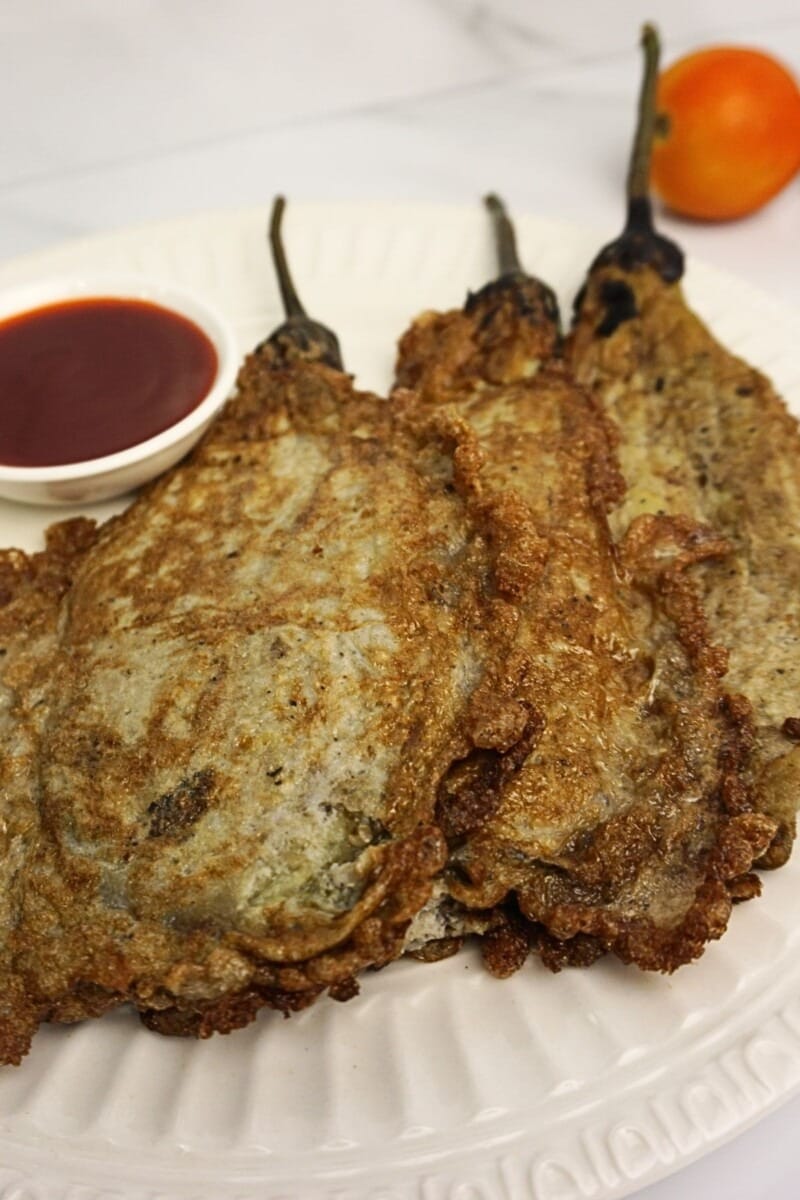
Tortang Talong Recipe
Grilled eggplant takes center stage here, mashed and dipped in egg then fried until golden. The result is smoky soft eggplant wrapped in a fluffy, slightly crisp egg coating. It is simple but so satisfying, especially when you add cooked ground pork or longganisa on top for a meaty hit. Eat it hot with rice and a dab of vinegar or banana ketchup and you will taste the smoky, savory, and slightly sweet layers all at once.

Chopsuey Recipe
This colorful stir fry mixes crunchy vegetables with bits of meat and sometimes seafood for a lively plate. The sauce is glossy and savory, lightly coating every carrot, cabbage leaf, and snap pea so texture and flavor stay balanced. Meats add hearty bites while seafood gives a briny lift. I love how quick this cooks; vegetables keep their snap and bright color. A spoonful of hot rice with a forkful of chopsuey is bright, chewy, and deeply satisfying.
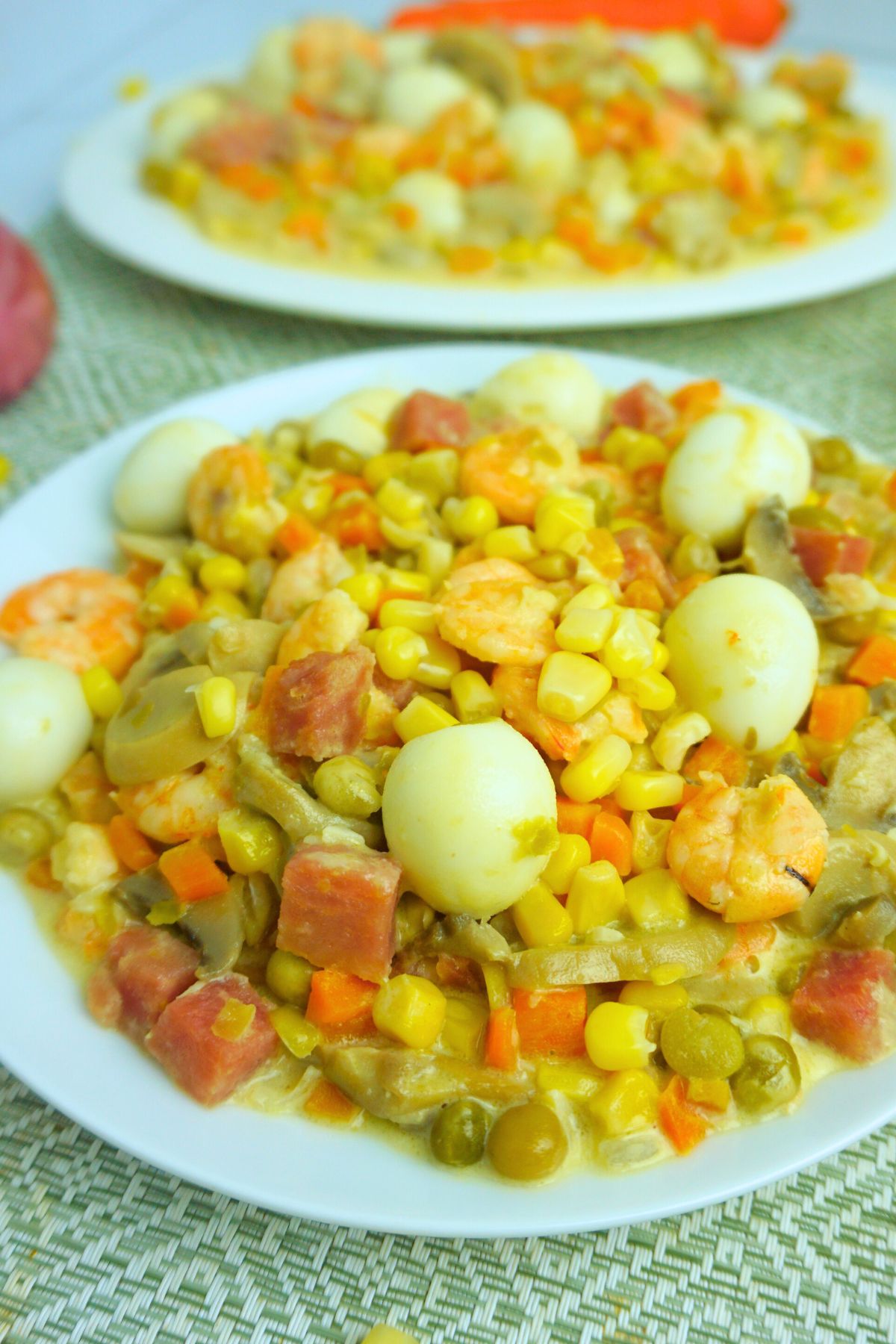
Sipo Egg Recipe
This creamy vegetable dish layers mixed vegetables with quail eggs in a rich sauce that feels festive. The sauce clings to greens and carrots, so each mouthful is silky and comforting. Quail eggs pop with a gentle creaminess, adding just the right protein without overpowering the veggies. It is often served at gatherings and I can see why; the combination of textures and the milky savory sauce make it easy to pile onto rice and savor slowly.
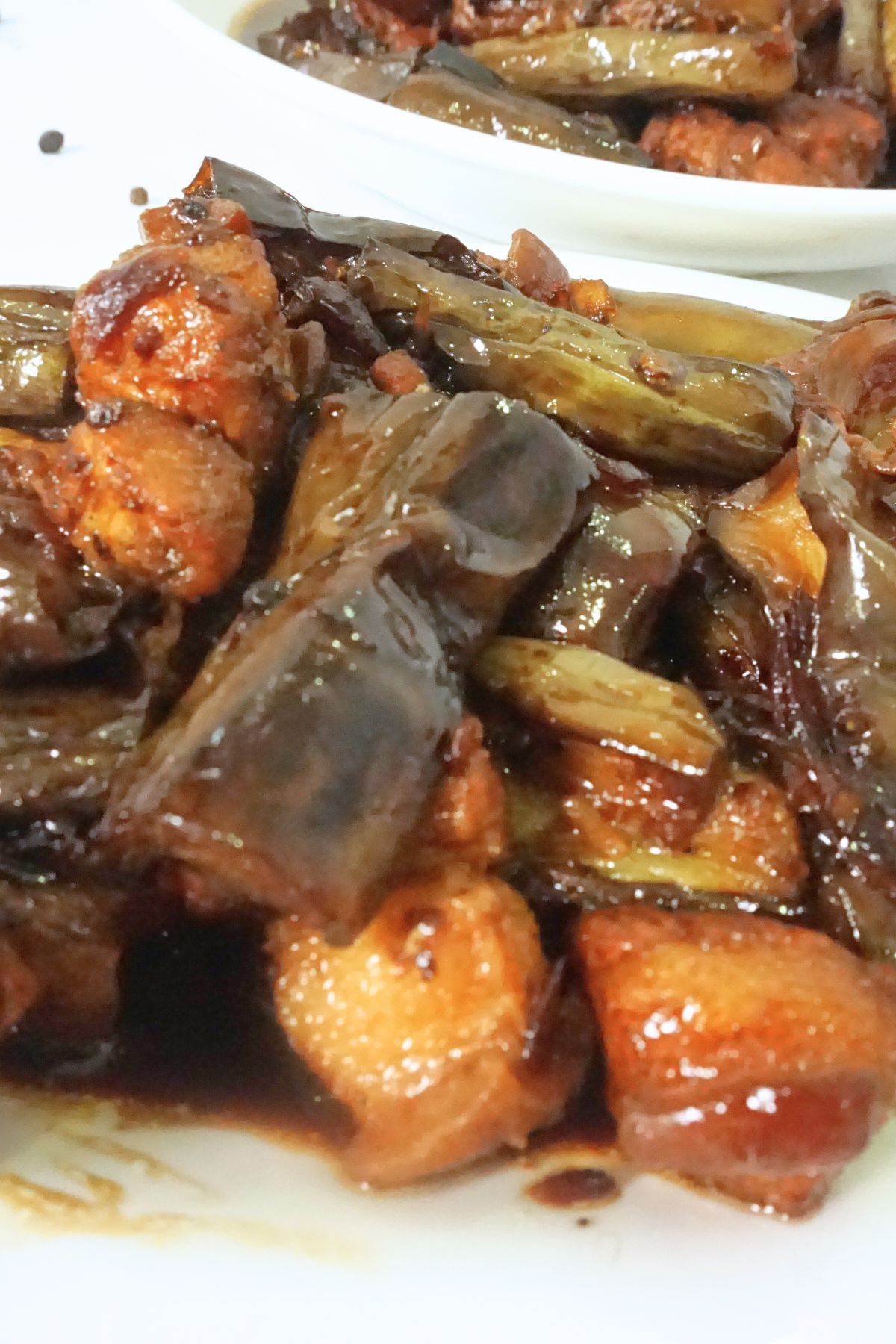
Eggplant Adobo Style (Adobong Talong)
Here eggplant is treated to the adobo trio of soy, vinegar, and garlic. The flesh becomes soft and savory, soaking up the sauce while still holding a silky texture. Though primarily a vegetable dish, this adobo style can be paired with small pieces of pork or fish for extra body. The aroma is tangy and garlicky and the sauce reduces to coat each bite. Scoop it over rice and enjoy the pleasing contrast of tender eggplant and the adobo tang.
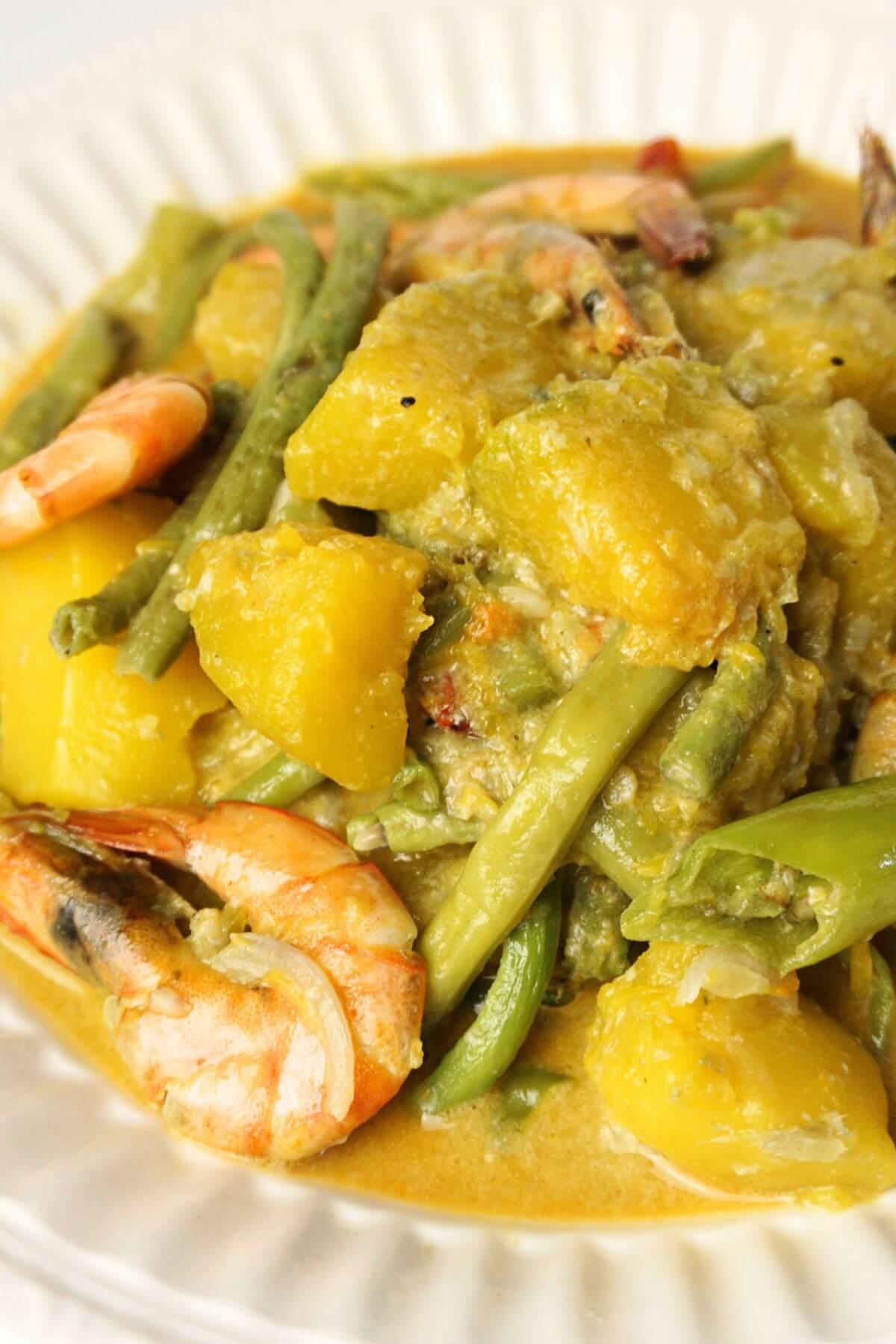
Ginataang Gulay with Shrimp
Creamy coconut milk bathes mixed vegetables and shrimp for a rich, aromatic dish. Vegetables become tender but still keep some bite while shrimp adds a sweet, briny pop. The coconut softens the edges of the spices and creates a luxurious mouthfeel. I often smell the coconut and garlic first, then taste the gentle richness tempered by the bright texture of the veggies. Spoon over rice and you will get mellow, creamy, and slightly sweet layers in every bite.
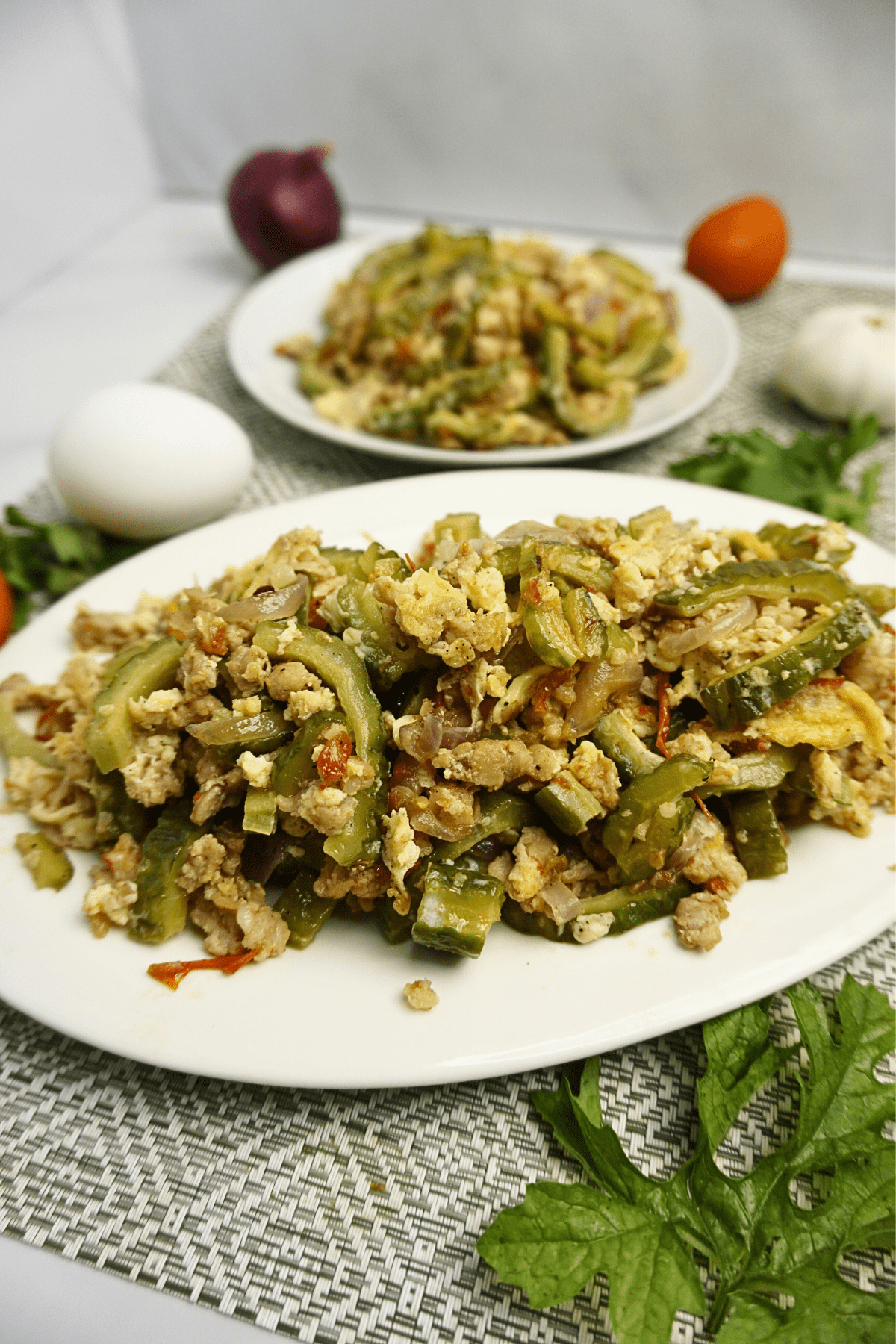
Ginisang Ampalaya
Bitter melon gets the sauté treatment with aromatics and simple seasonings so its natural bite shines without being harsh. The texture is crisp tender and the flavor is a clean, green bitterness that wakes up the palate. Many cooks toss in bits of pork or scramble an egg into the pan so the ampalaya’s bite is balanced by savory fat or rich yolk. I like to serve it next to fried fish and hot rice for contrast and balance.
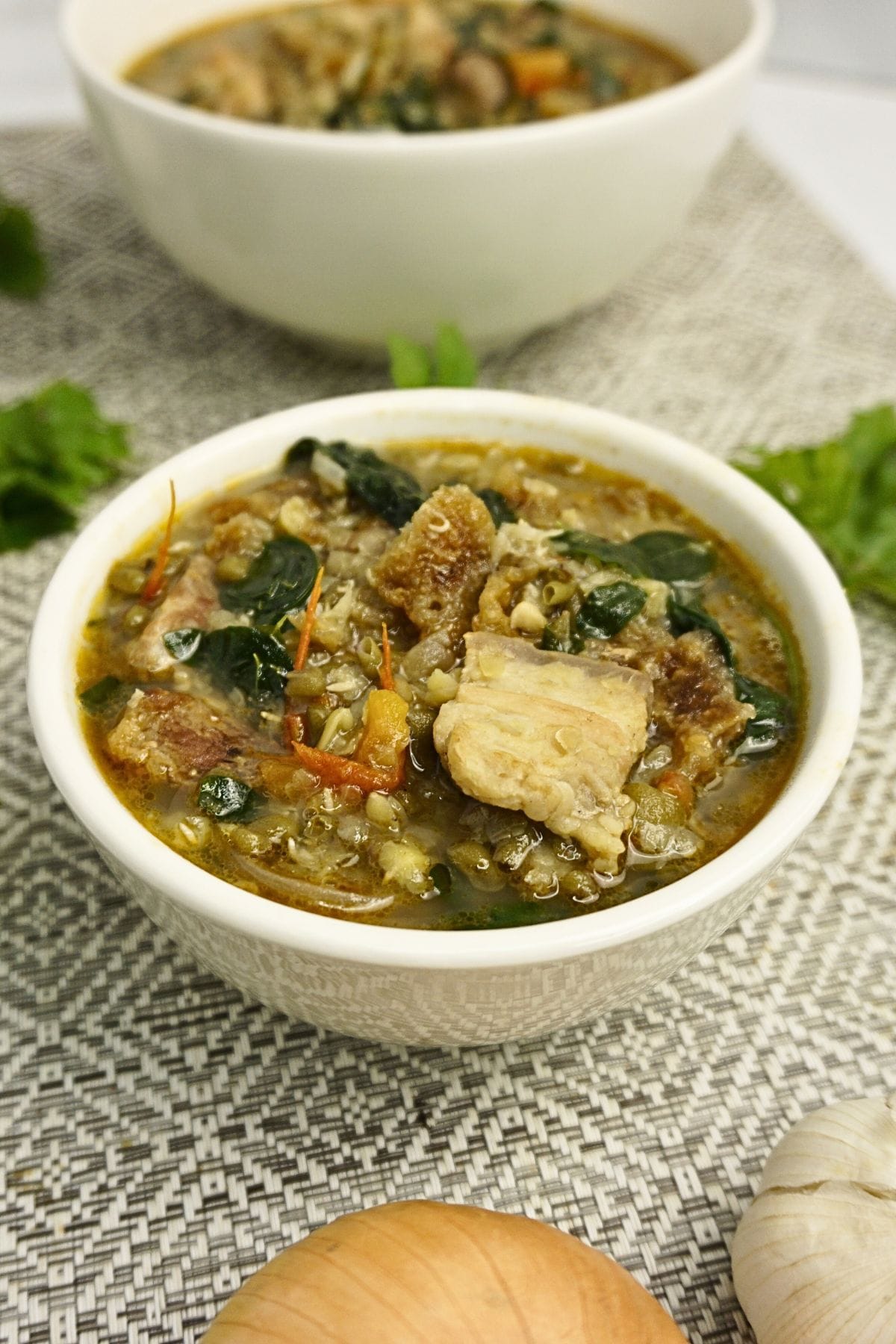
Ginisang Monggo with Pork
Mung beans simmer until tender then get mixed with pork for a hearty, comforting stew. Vegetables often join the pot, adding color and pull. The beans become creamy while the pork offers savory depth and texture contrasts. A spoonful tastes earthy, slightly nutty from the mung, and savory from the pork juices. I appreciate how this meal stretches rice and fills bellies with warm, stick-to-your-ribs goodness.
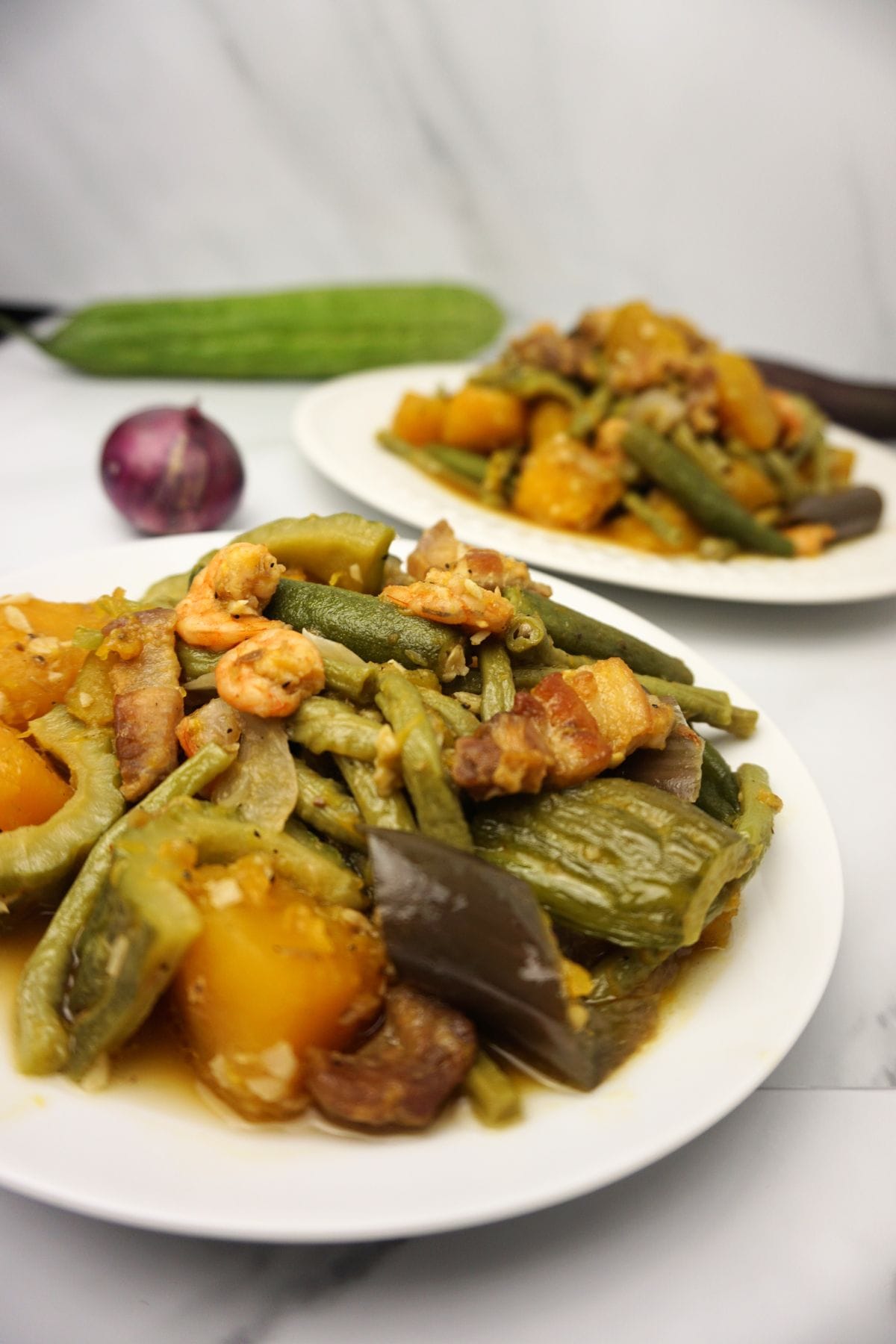
Pinakbet Recipe
A rainbow of vegetables stews with shrimp paste and tender meat so every bite is savory and slightly funky in the best way. The vegetables keep different textures, from crunchy to soft, and the shrimp paste ties them together with umami and salt. Tiny bits of meat give each spoonful a meaty note amid the vegetables. When it is done properly, steam rises with a pungent, appetizing aroma that makes rice vanish fast at the table.
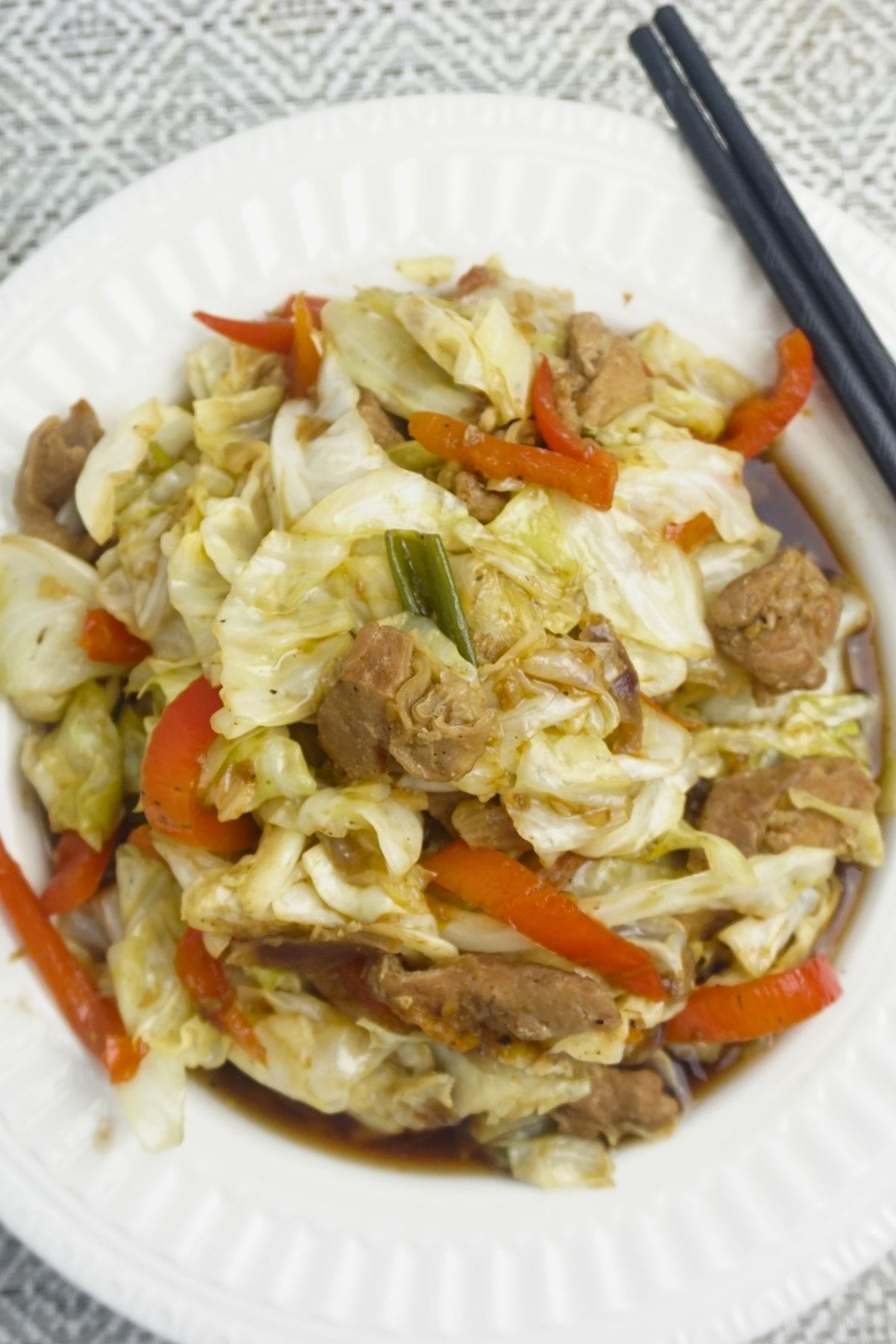
Ginisang Repolyo
Cabbage is sautéed with garlic and onions until tender and takes on a mellow, slightly sweet flavor. The quick sauté keeps some crunch so the texture is light and pleasant against steamed rice. Many cooks add small bits of pork or shrimp for extra savoriness, which I often do when making this at home. The final dish smells of caramelized onions and garlic and feels simple yet satisfying with a bowl of hot rice.
Helpful Cooking Tips
Vegetable dishes with meat need good timing. Cook meats first so you can build flavor from the pan drippings and aromatics. Add denser vegetables earlier and quick tender greens at the end so nothing turns mushy. Taste as you go; adjusting salty and sour notes is easier than fixing blandness later. When using shrimp or delicate proteins add them in the last few minutes to avoid rubberiness. Use a splash of broth or water to finish sauces and scrape brown bits from the pan for extra depth. Rest leftovers in shallow containers to cool quickly before refrigerating.
Frequently Asked Questions
Can I swap pork for chicken in these vegetable dishes?
Yes. Chicken works well in many Filipino vegetable dishes. Use boneless cuts for faster cooking and brown them first to develop flavor. Adjust cooking time so chicken cooks through without drying out. Thicker pieces may need a brief simmer to tenderize. Also taste and tweak seasonings since chicken has a slightly milder profile than pork and may need a touch more salt or umami.
How do I prevent vegetables from getting soggy when cooking with meat?
Control cooking order and heat. Sear or sweat the meat and aromatics first, then add dense vegetables like carrots and squash. Softer greens and leafy vegetables should go in last for only a few minutes. Use high heat for quick stir fries so moisture evaporates rapidly. If stewing, do not overcook; check texture often. A quick shock in cold water after blanching will stop cooking if you plan to stir fry later.
Can I make these dishes ahead and reheat them?
Most of these dishes hold up well for a day or two in the fridge. Store in airtight containers and cool quickly to preserve texture. Coconut milk based dishes are best eaten within two days to avoid separation. Reheat gently over low heat and add a splash of water or broth to loosen sauces. Leafy greens may soften further after chilling so add a handful of fresh leaves when reheating if you want a fresher bite.
Are seafood versions better than pork for these vegetable recipes?
It depends on what you want. Seafood adds brightness and a sweet briny note that pairs beautifully with coconut and light sauces. Pork brings fattier richness and a deep savory backbone, especially in adobo or stews. Choose seafood when you want lighter, fresher flavors and pork when you want more rustic, hearty profiles. Both work well; sometimes I combine small amounts of each for balance.
How can I make these dishes more budget friendly?
Use smaller amounts of meat and bulk up the dish with seasonal vegetables and legumes. Split a little pork or shrimp across a big pan of vegetables to get that savory hit without using a lot of protein. Canned or frozen vegetables can be economical and convenient. Beans and mung beans stretch the meal and add satisfying texture. Flavorful seasonings like fish sauce or shrimp paste go a long way so you do not need much meat to achieve a rich taste.
Final Thoughts
These ten recipes show how vegetables can carry a meal when paired with just the right kind of meat, seafood, or egg. I love how a simple handful of pork bits or a few shrimp turn produce into something heartier and more rounded. Try a couple of different dishes this week and notice how textures change the experience from crunchy to silky. Keep rice nearby and experiment with small swaps. Once you taste that balance of savory protein and fresh vegetables you will want to keep these recipes in your regular rotation.
Related posts:
 Top 15 Classic Filipino Ulam Recipes You Need to Try
  15 Easy Filipino Ulam Recipes for Busy Weeknights
  10 Classic Pork Recipes That Never Fail
  Top Filipino Recipes to Impress Non-Filipinos
  10 Filipino Party-Style Dishes for Any Celebration
  Top 10 Filipino Dishes That Are Best Paired With Rice
  The Most Googled Filipino Recipes and What Makes Them Special
  16 Rice Dishes That Prove Rice Goes with Everything