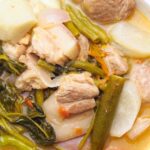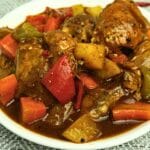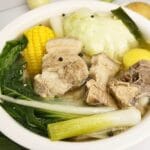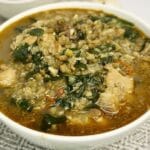
Sometimes you just want a plate of rice with a sauce so good you wipe the bowl clean. I have a soft spot for Filipino dishes where the sauce steals the show. These recipes are about deep, slow cooked sauces and bold condiments that dress meat and seafood in layers of savory goodness. I pick dishes I often make for special meals or lazy Sundays when I have time to simmer and taste as the sauce comes together. Expect peanut creaminess, tangy vinegar hits, tomato richness, and umami shrimp paste. Get your rice ready because these sauces deserve to be savored spoonful by spoonful.

Beef Kare Kare
Beef Kare Kare brings a silky peanut sauce that hugs tender beef and vegetables. The sauce is thick and nutty, creamy without being cloying, and carries a gentle roasted peanut warmth. When I make it, the aroma of simmered beef and peanut paste fills the kitchen and makes everyone gather around. Serve with bagoong for a sharp salty contrast that wakes up the sauce. Texturally you get soft meat, yielding oxtail or beef shank, and a smooth sauce that clings to every bite.

Beef Balbacua
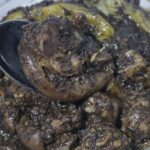
Beef Balbacua is a slow cooked stew with a deeply savory, almost gelatinous sauce from long braising. The beef becomes melt in your mouth tender and the sauce reduces into a rich cloak of dark, beefy goodness. I love how the aromas of garlic, bay, and spices thicken as it simmers for hours. It tastes robust and hearty, with a silky mouthfeel that begs for hot rice. Each spoonful feels like a warm, meaty hug that settles wonderfully in the stomach.
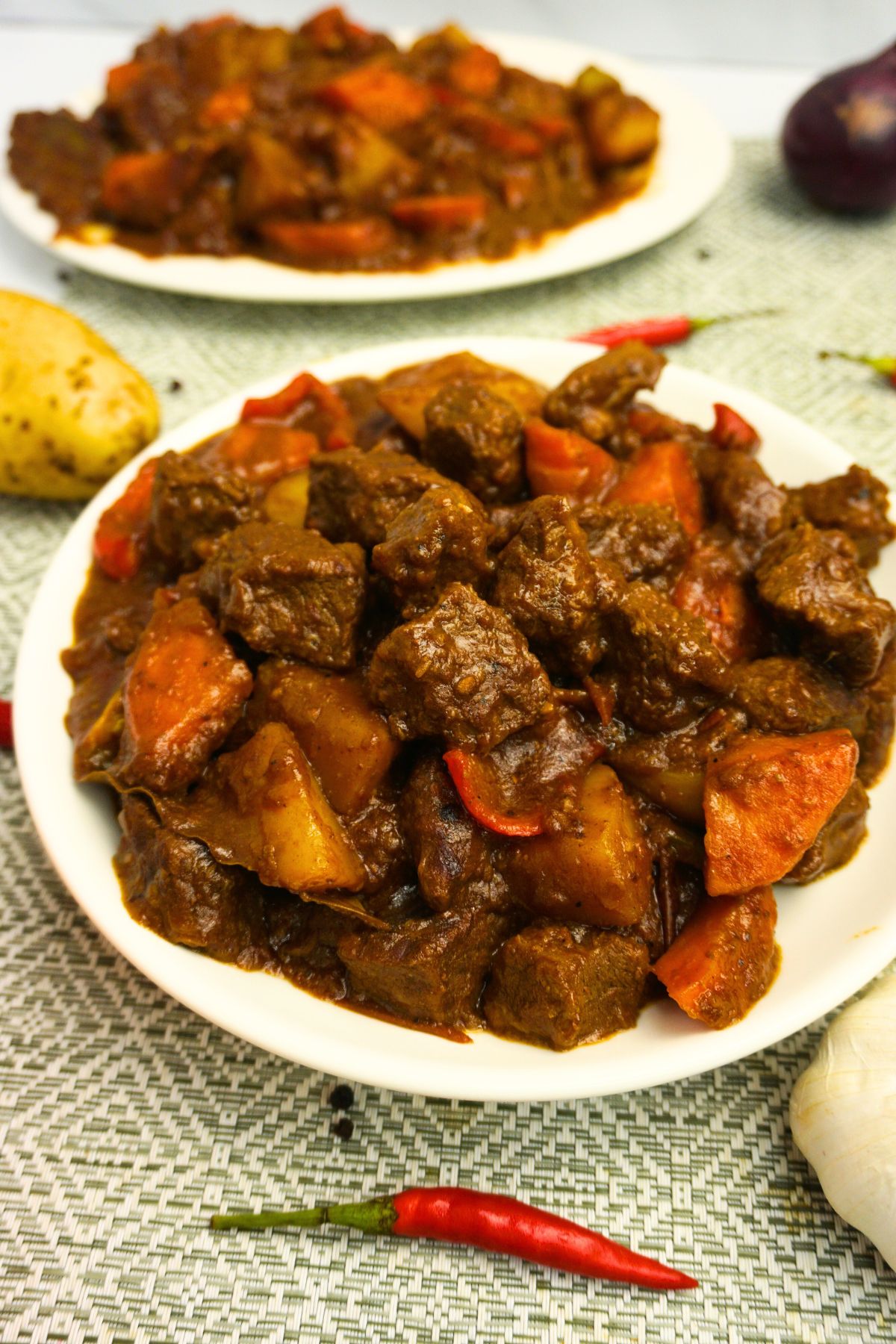
Beef Caldereta
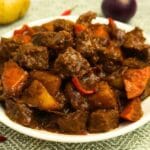
Beef Caldereta simmers beef in a tomato based sauce that turns luxuriously rich and slightly sweet. The sauce soaks into chunks of meat and vegetables until everything tastes unified and homey. I always notice the bright tomato scent mingle with a hint of liver spread or cheese that deepens the sauce color and body. The texture is hearty but saucy, perfect when spooned over rice. It has that balanced tang and warmth that makes seconds inevitable.
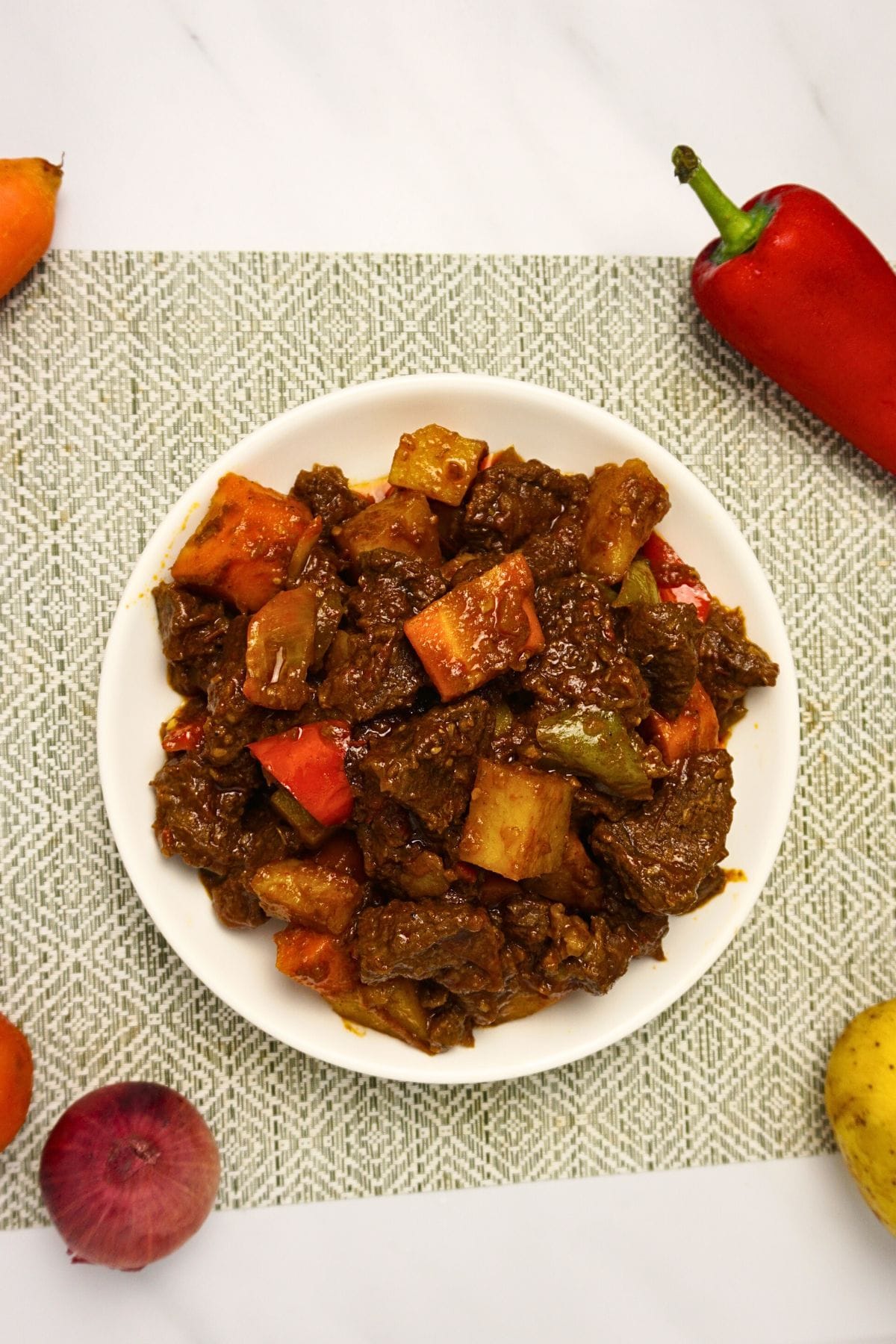
Beef Mechado
Beef Mechado features beef slowly simmered in a savory tomato sauce with potatoes and carrots. The sauce is straightforward, glossy, and comforting, coating each piece of beef with tangy, slightly sweet goodness. When I cook it, the kitchen smells like Sunday dinner—warm and familiar. The beef becomes tender and the sauce reduces to a clingy finish that soaks into rice. You can taste the tomato upfront and the meatiness settles in the background for a satisfying, steady bite.
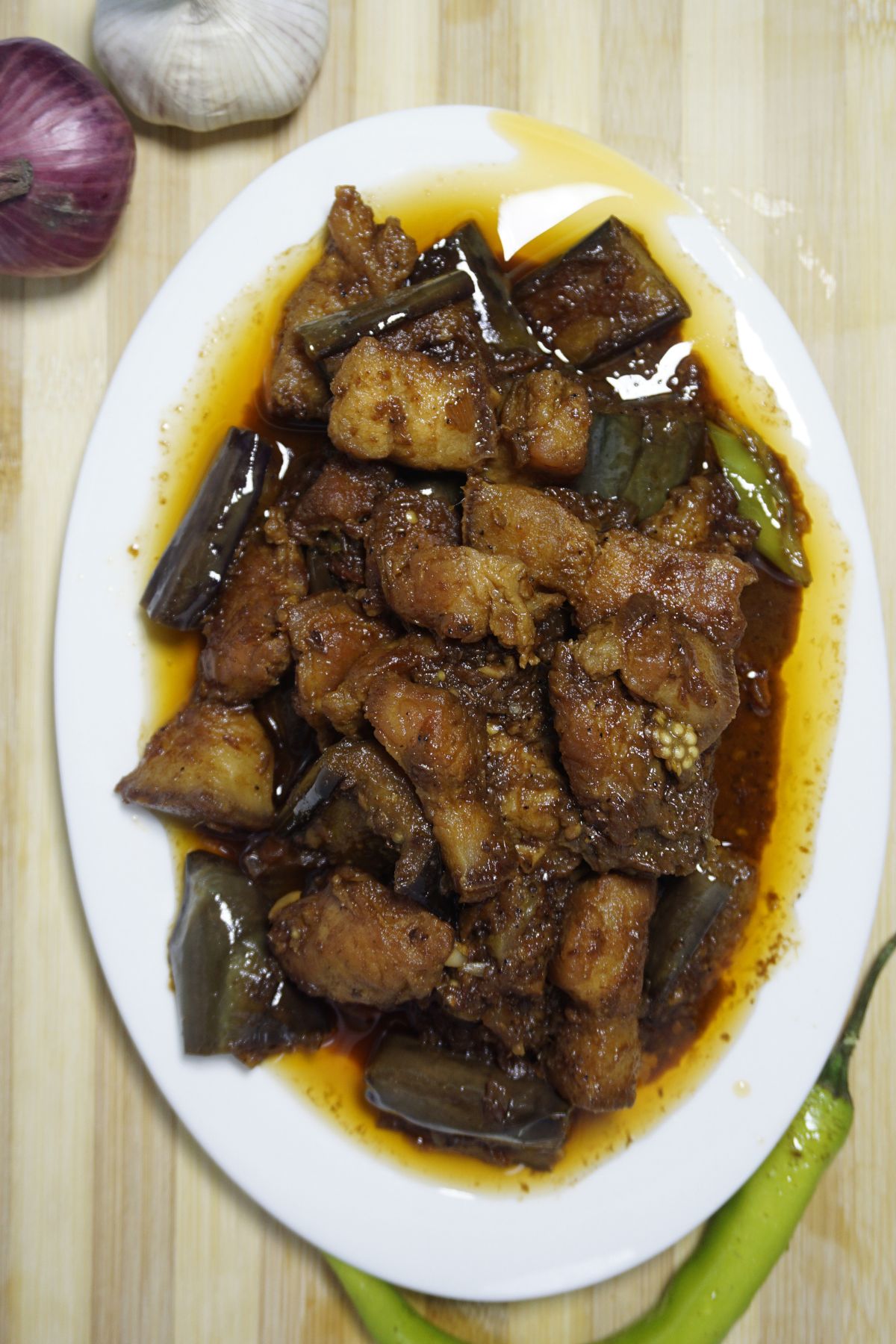
Pork Binagoongan
Pork Binagoongan is a bold, savory dish cooked in shrimp paste for a powerful umami punch. The sauce is deep, salty, and slightly funky in the best way, hugging caramelized pork pieces with intense flavor. I always pair it with chopped tomatoes or eggplant to cut through the richness. Texturally the pork has crisped edges and tender centers while the sauce pools glossy on the plate. One spoon of rice with this sauce and you know you are eating something characterful and unapologetic.
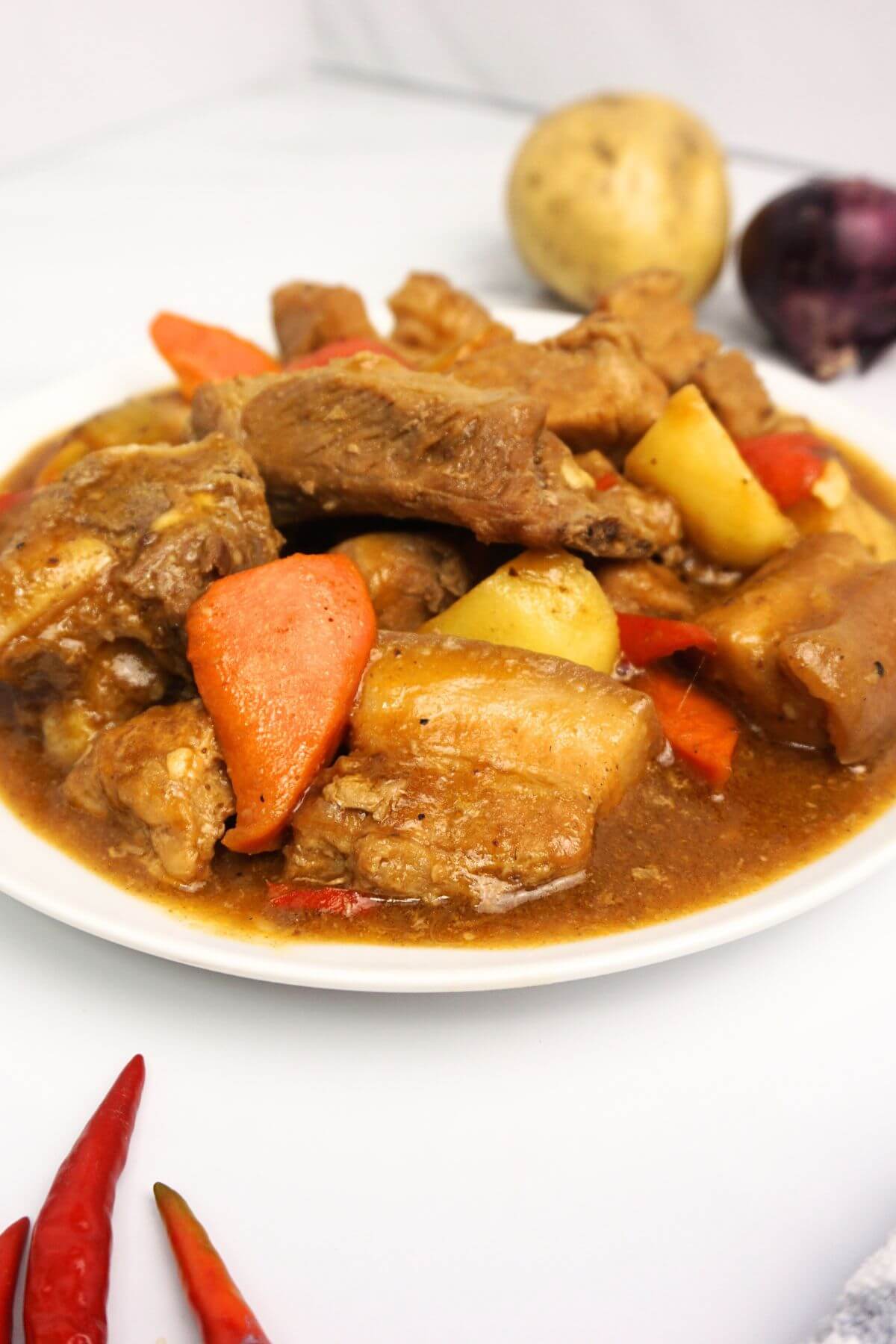
Pork Caldereta
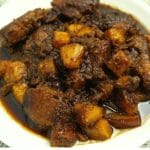
Pork Caldereta cooks pork in a rich tomato based sauce with vegetables and warm spices. The sauce becomes thick and comforting, often carrying a touch of liver spread or cheese for extra depth. I like how the sauce seeps into the pork, making every forkful soft and saucy. The aroma is bright with tomato and a gentle spice layer. It tastes both familiar and festive, a stew that keeps well and improves after a day in the fridge when flavors marry even more.
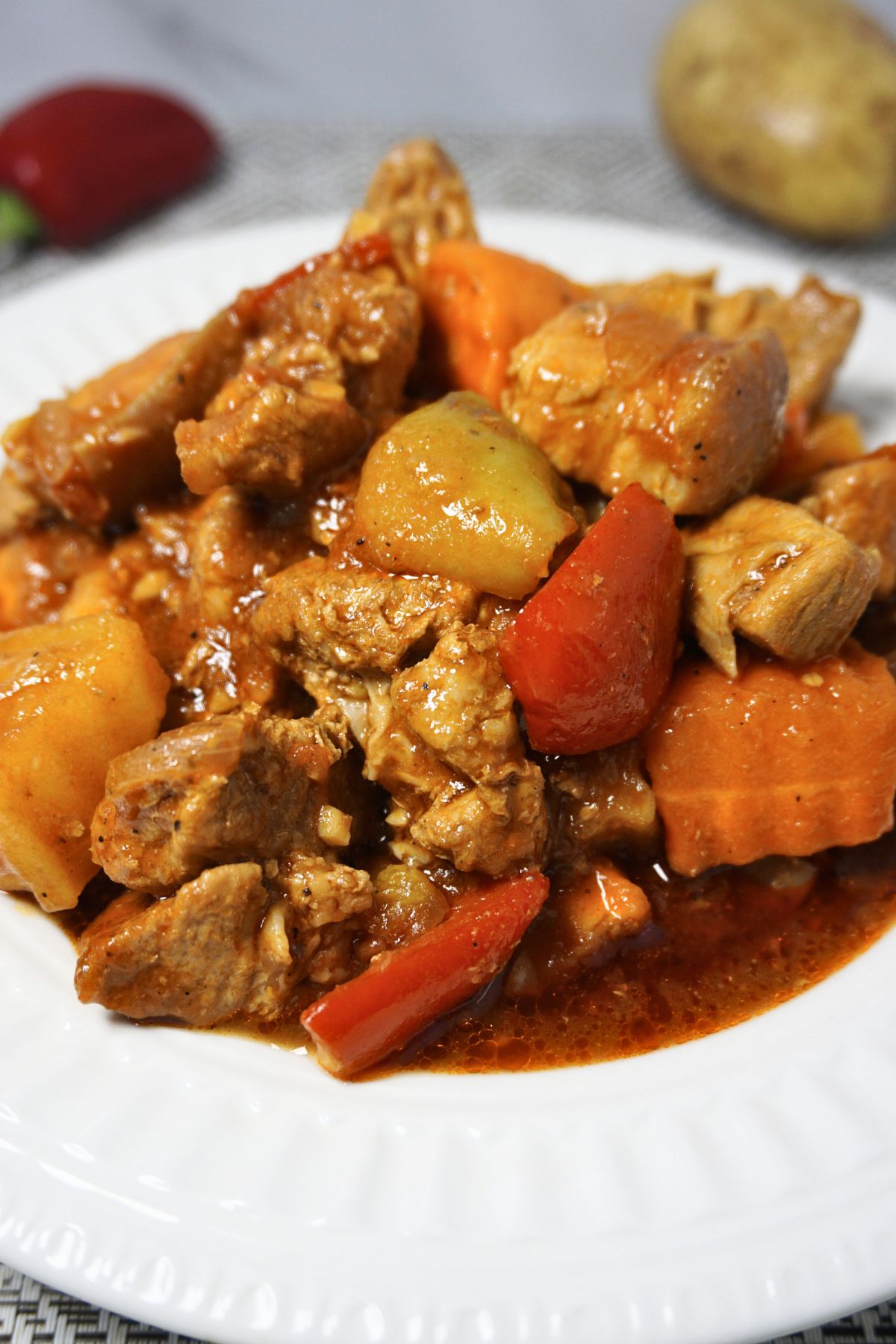
Pork Afritada
Pork Afritada features tender pork simmered in a savory tomato sauce with potatoes and bell peppers. The sauce is lighter than caldereta but still rich, with a sweet tomato note and savory stockiness. I often find the peppers add pops of freshness against the soft pork and buttery potatoes. The cooking produces a glossy sauce that clings to meat and vegetables, creating familiar, homey flavors that are easy to love and simple to serve alongside steaming rice.
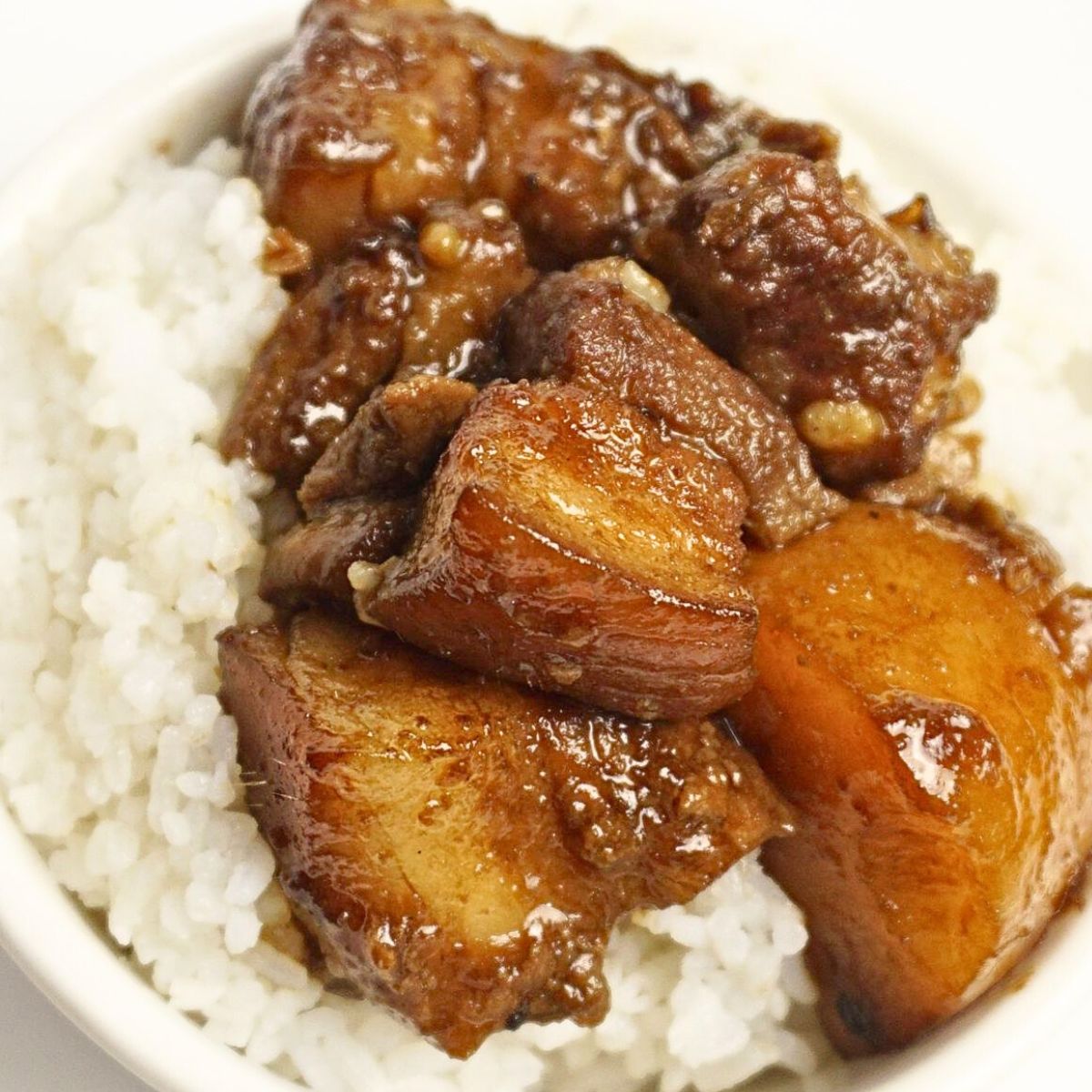
Pork Adobo
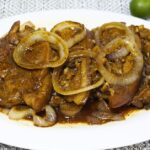
Pork Adobo simmers pork in the classic blend of soy sauce, vinegar, and garlic until the sauce is deeply savory and reduced. The result is tangy, slightly sweet, and intensely comforting with dark glossy sauce pooling around the tender meat. I always brown the pork a bit first to add caramel notes that lift the sauce. Each bite delivers a balance of sour and salty that perks up the rice and leaves you reaching for another mouthful.
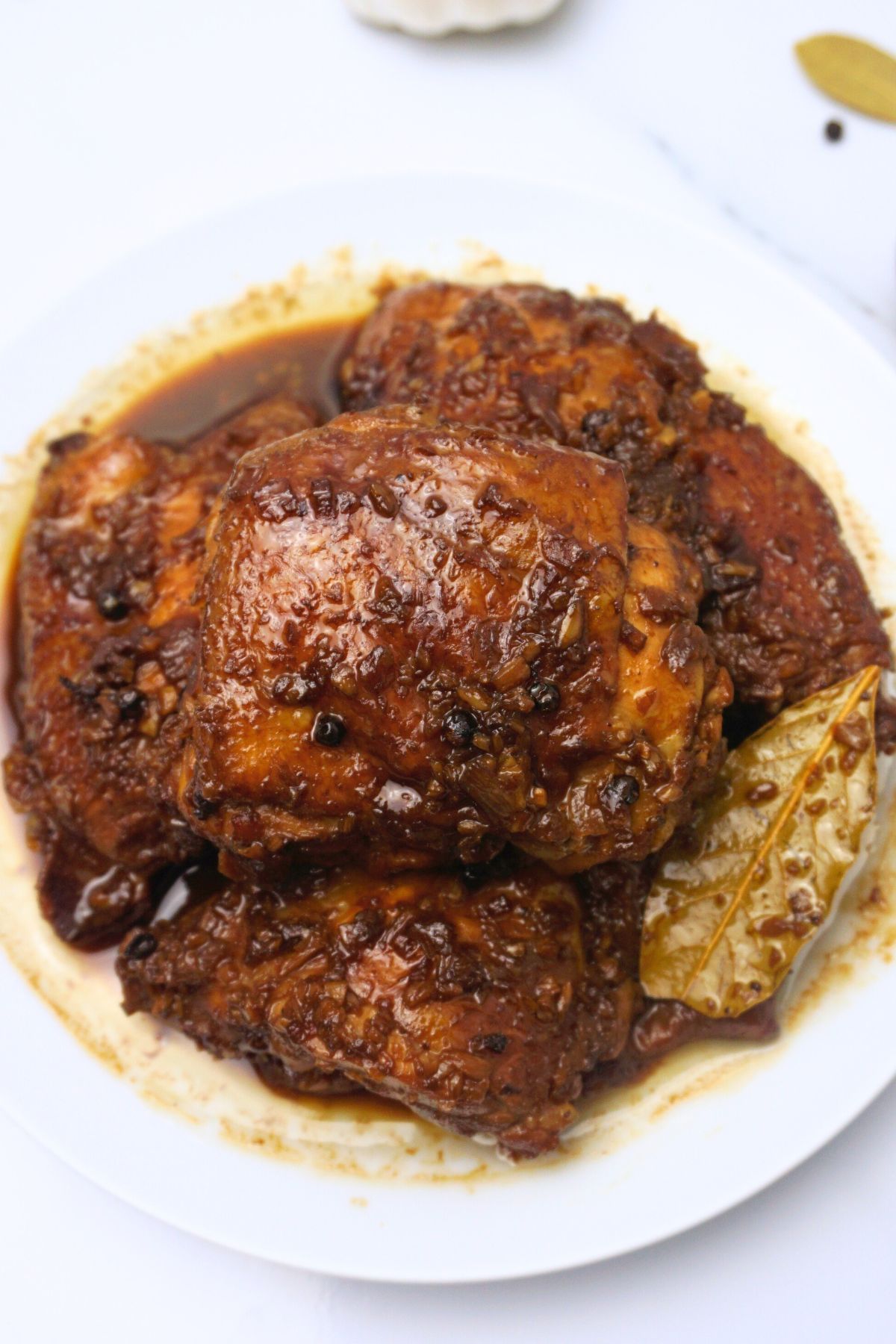
Filipino Chicken Adobo
Filipino Chicken Adobo slow simmers chicken in soy, vinegar, and garlic for a sauce that is tangy, savory, and fragrant. The sauce reduces into a glossy coating that clings to the chicken skin, making it savory and slightly sticky. When I simmer it just right the kitchen fills with the aroma of garlic and warm vinegar. The meat stays juicy while the sauce delivers that familiar zip that perks up rice and makes the whole meal sing.
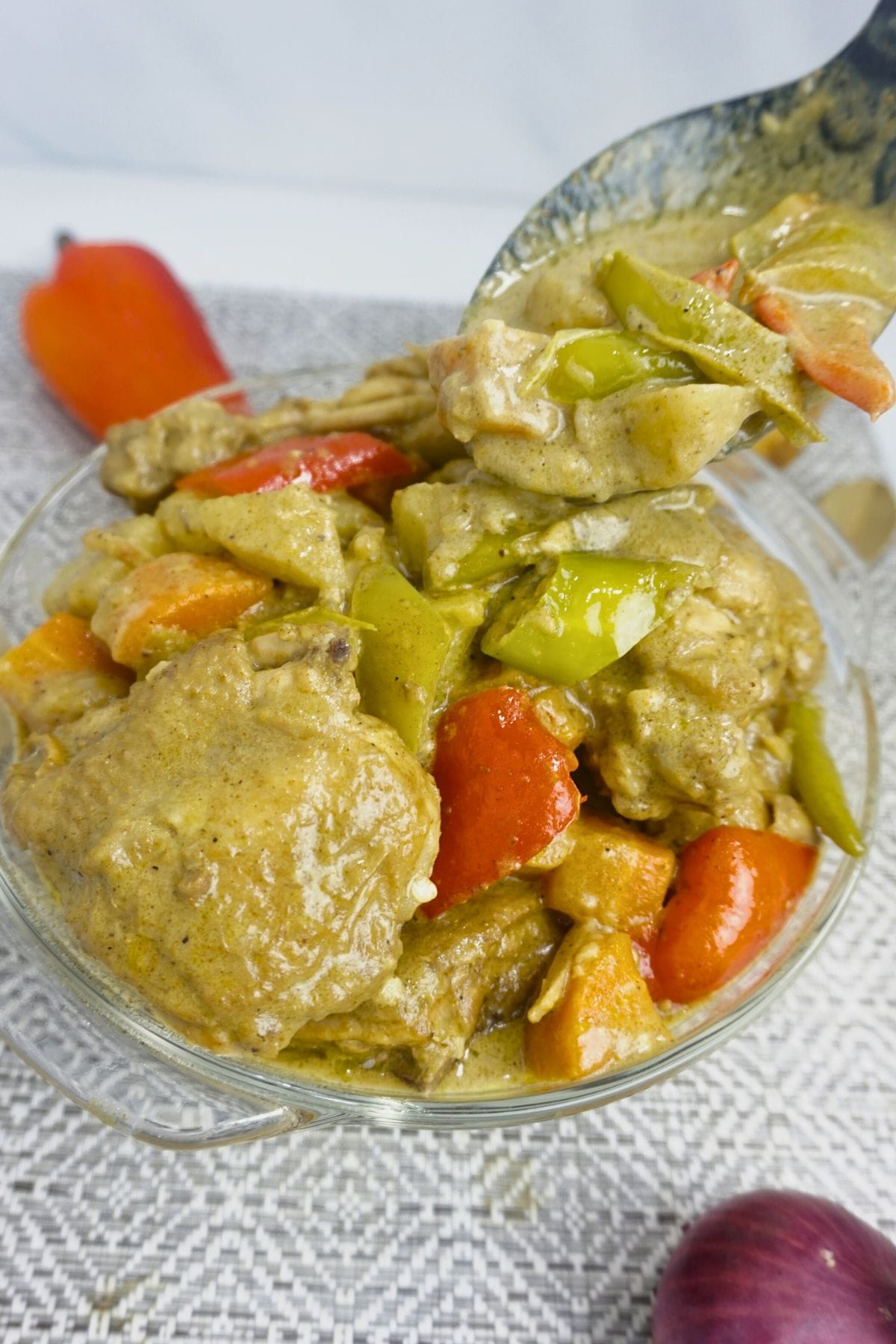
Chicken Curry
Chicken Curry cooks chicken in a rich and creamy sauce flavored with coconut milk and warm spices. The sauce is silky, aromatic, and comfortingly fragrant, balancing coconut creaminess with mild curry spices. I love how the curry sauce coats the chicken and vegetables, turning each bite into a silky, fragrant mouthful. It smells tropical and inviting while tasting gently spiced, with a smooth texture that pairs beautifully with rice or crusty bread to soak up every drop.
Helpful Cooking Tips
Sauce focused dishes need patience and layering of taste. Brown meat before simmering to add caramelized notes that deepen sauce color and flavor. Taste sauce at different stages and adjust for salt, acidity, or sweetness in small increments. For thicker sauces reduce slowly over low heat rather than adding too much thickener. Acid like vinegar or citrus brightens heavy sauces at the end. When using strong condiments like shrimp paste or liver spread add little by little and balance with chopped tomatoes or fresh herbs to lighten the palate.
Frequently Asked Questions
How do I thicken a sauce without changing its flavor?
Slow reduction is the best way to thicken without altering flavor. Simmer the sauce gently until water evaporates and the sauce concentrates. If you need a lift faster, mix a small amount of cornstarch with cold water and stir it in gradually while simmering. Use just enough to reach your desired consistency. Taste after thickening and adjust seasoning if the cornstarch has dulled the flavors slightly.
Can I make these saucy Filipino dishes ahead of time?
Yes, many of these dishes taste even better the next day once flavors meld. Refrigerate in an airtight container and reheat gently on low heat, adding a splash of water or broth if the sauce has thickened too much. Stews like caldereta and balbacua develop deeper flavors overnight. For fried or crisp elements, like some adobo versions, re-crisp in a skillet after reheating to restore texture.
What should I serve with rich Filipino sauces?
Plain steamed rice is the traditional and most reliable partner because it soaks up sauces and balances intensity. For variety try garlic fried rice for added aroma or crusty bread to mop up thicker stews. Light vegetable sides such as sliced tomatoes, pickled cucumbers, or a simple green salad offer a clean contrast to heavy, savory sauces. A small spoonful of bagoong or a citrus wedge can add a bright counterpoint when needed.
How can I reduce saltiness in a sauce that was over-salted?
Add a peeled potato and simmer for a short time to absorb some salt, then remove it if you like. Another option is to add a splash of acid, like vinegar or lemon juice, which can mask excess salt by brightening flavors. If appropriate, a small amount of sugar or coconut milk can round the taste and reduce perceived saltiness. Add adjustments slowly and taste often to avoid overcorrecting.
Are there easy swaps for people allergic to peanuts in kare kare?
If peanut allergy is a concern, try using roasted cashew butter if tolerated, or make a sauce with toasted sesame paste blended with a little coconut milk to mimic creaminess. Pureed roasted soybeans or sunflower seed butter can also work in small amounts. Adjust seasonings to maintain balance and be mindful of cross contamination when using shared equipment. Taste as you go to keep the sauce familiar yet safe.
Final Thoughts
These ten recipes show how sauces can transform simple ingredients into memorable meals. From peanut smoothness to vinegary tang and shrimp paste depth, each sauce tells a different story. I encourage you to try a few and notice how changing one ingredient can lift the whole dish. Start with something approachable like adobo or afritada, then work up to binagoongan or balbacua when you have time to savor the simmer. Have fun experimenting and remember to keep extra rice close by.
Related posts:
 Top 15 Classic Filipino Ulam Recipes You Need to Try
 10 Classic Pork Recipes That Never Fail
 Top Filipino Recipes to Impress Non-Filipinos
 Top 10 Filipino Dishes That Are Best Paired With Rice
 16 Rice Dishes That Prove Rice Goes with Everything
 10 Filipino Vegetable Dishes with Meat
 9 Must Try Filipino Bangus and Tilapia Recipes
10 Easy Filipino Pork Dishes You Can Cook Today
9 Must Try Filipino Bangus and Tilapia Recipes
10 Easy Filipino Pork Dishes You Can Cook Today