I love the smell that hits you when you walk into a local carinderia. Garlic sizzling, vinegary tang, tomato sauce bubbling, and the sweet scent of fried lumpia. If you miss that everyday hawker feel, you can bring it into your kitchen. I picked ten dishes that I always order when I see them on the counter. These are honest, homey recipes that show Filipino cooking at its most real. Expect tangy, savory, crispy, and soupy plates that go straight to the heart. I will walk you through what each dish tastes like and why you should try making them at home.
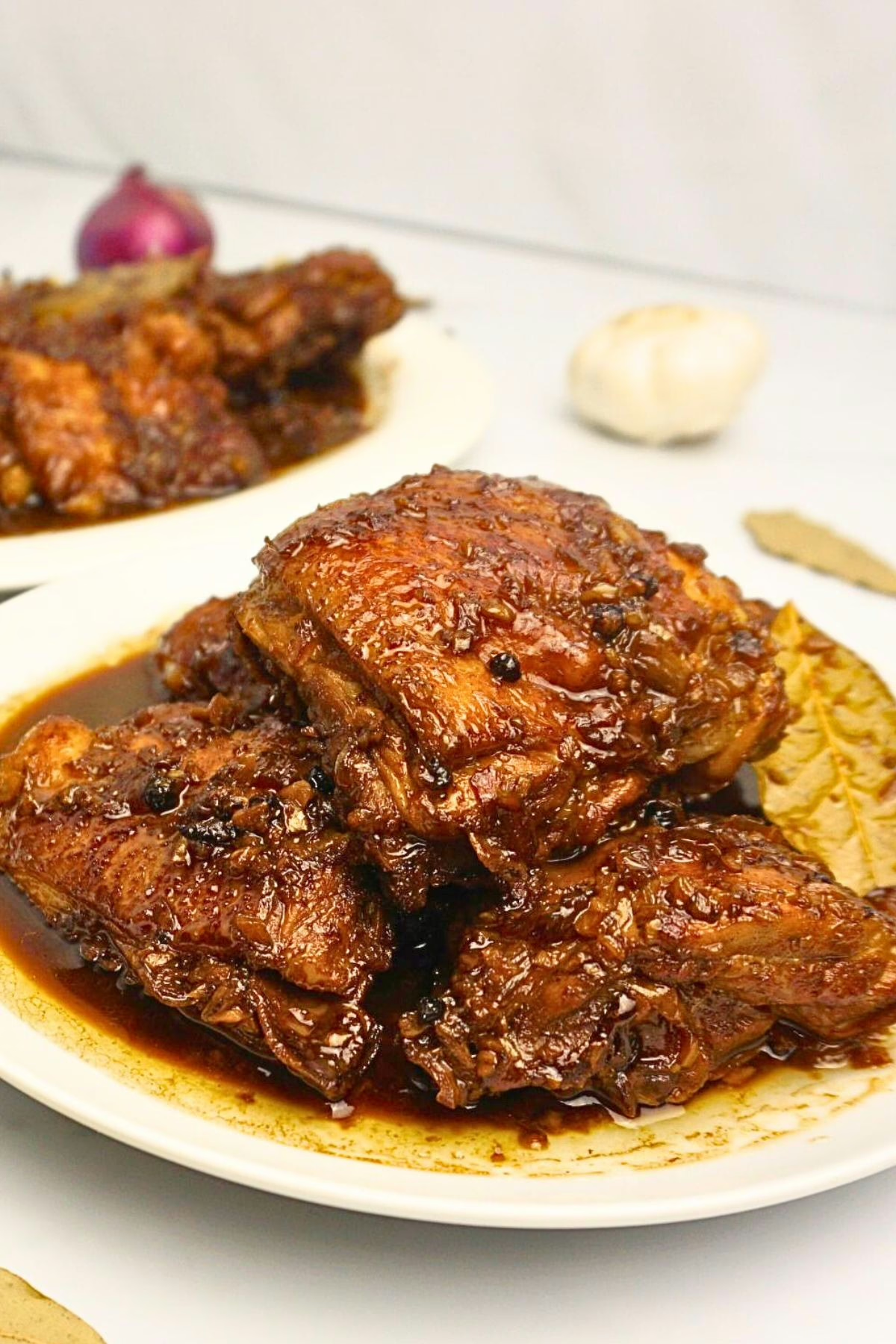
Filipino Chicken Adobo Recipe
Chicken adobo is the stand out carinderia staple. Dark soy and vinegar create a glossy sauce that tastes salty, sour, and deeply savory. Garlic and bay leaf perfume the pot as the chicken simmers until the meat is tender and the skin soaks up the sauce. Each bite has a gentle tang that makes rice disappear fast. When I cook it, the sauce reduces and clings to the meat, leaving a little sheen and lots of aroma that fills the kitchen.
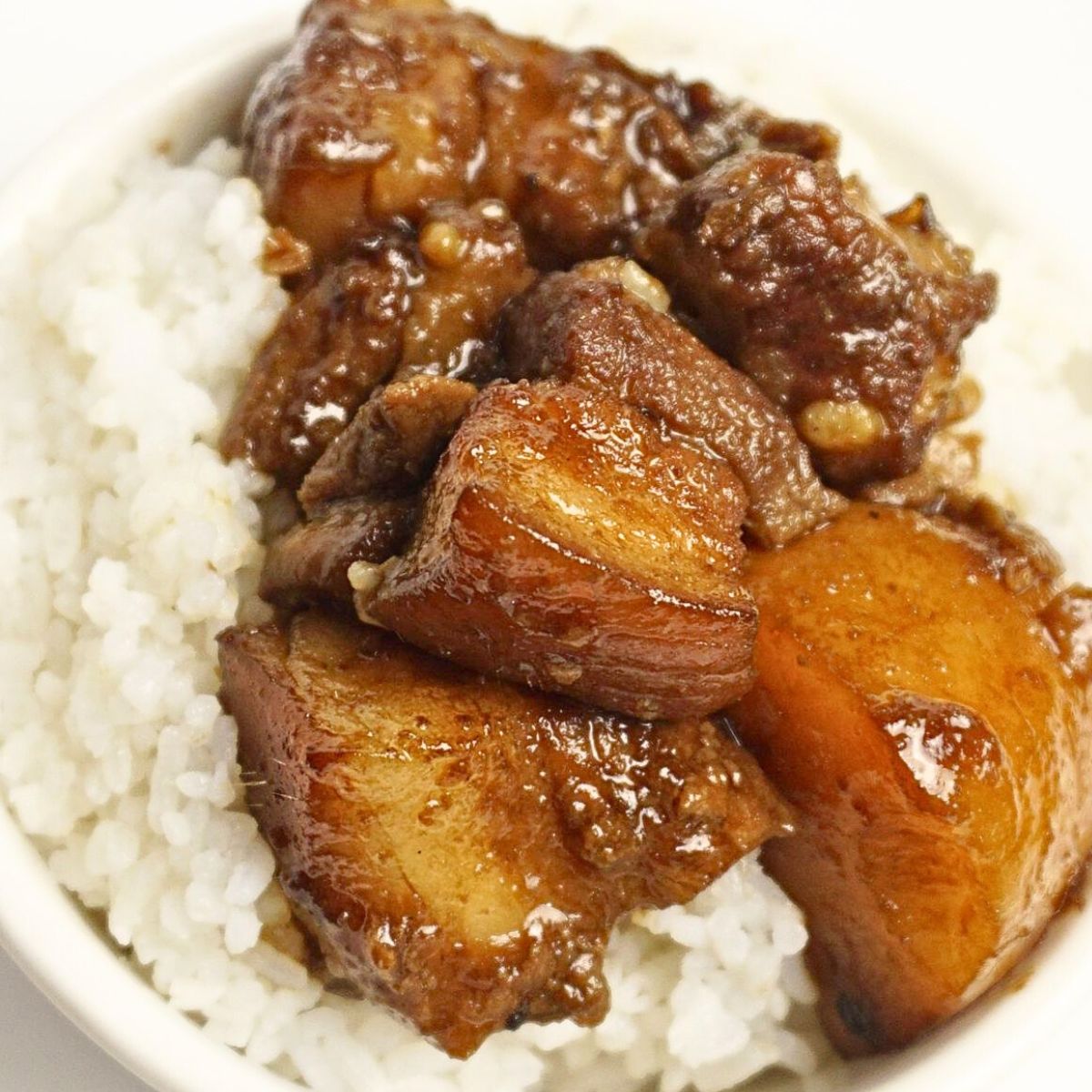
Pork Adobo Recipe
Pork adobo gives you richer mouthfeel because of the meat and fat. The same vinegar and soy combo turns into a slightly thicker glaze as it cooks. Pork pieces stay tender and release an umami richness that tastes homey and familiar. A fork easily pulls the meat apart while the tangy sauce bites back. I like the contrast between the savory pockets of fat and the sharp vinegar edge that wakes up plain rice.
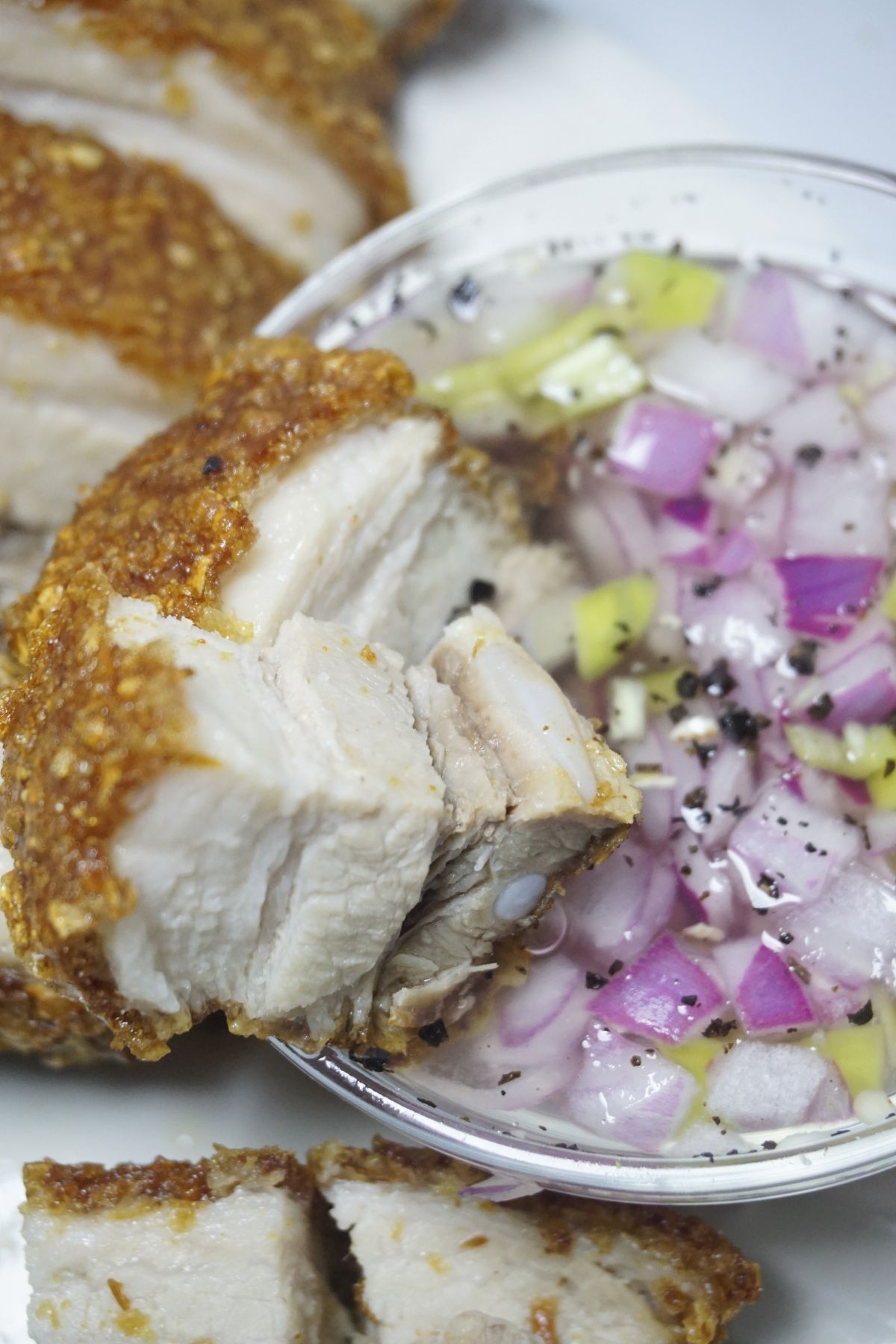
Lechon Kawali
Lechon kawali is the crispy star you expect at a carinderia. The skin fries until golden and crackly while the meat inside stays juicy and satisfying. It has that loud crunch followed by a soft chew that makes every mouthful fun. When I fry it, the kitchen smells like roasted pork and oil, and the sound of the skin popping is so inviting. Serve it with a tangy vinegar dipping sauce to cut through the richness.

Lumpiang Shanghai
These little rolls are tiny flavor bombs. Ground pork with seasoning and finely chopped veggies wraps into thin sheets and fries until the wrapper is light and crisp. The center stays moist and savory. I love how the edges crackle and the filling gives slightly sweet pork notes. They are the easiest finger food that disappears fast on a carinderia tray. A simple sweet chili or banana ketchup dip brings out the best in each bite.
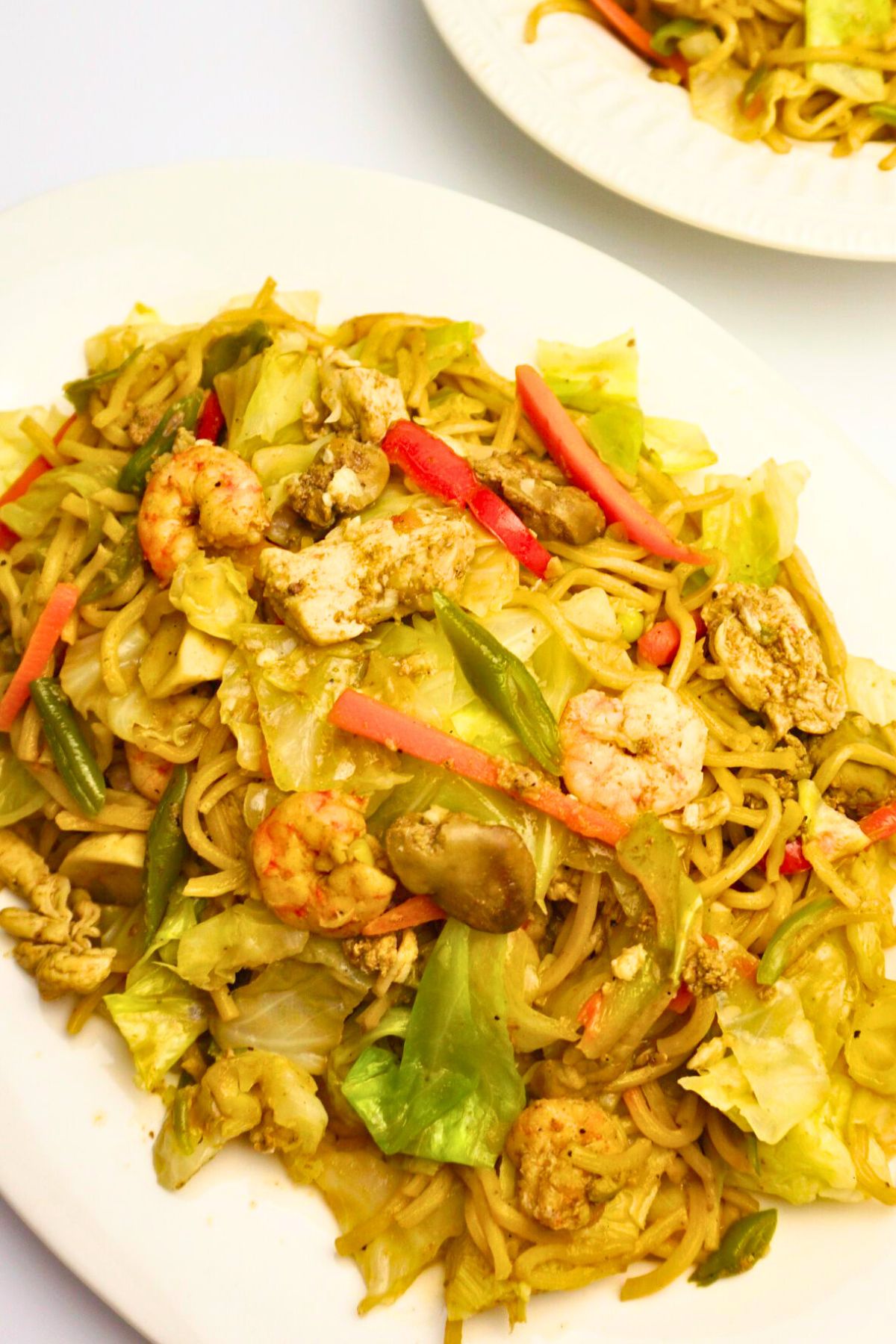
Pancit Canton
Pancit Canton is the stir fried noodle plate that feels like a quick celebration. Wok tossed noodles mix with crunchy vegetables, little bits of meat, and a savory sauce that coats every strand. The texture alternates between soft noodles and crisp vegetables. When I toss everything hot in the pan, the aroma lifts and the noodles soak up the sauce so each forkful tastes balanced, bright, and satisfying.
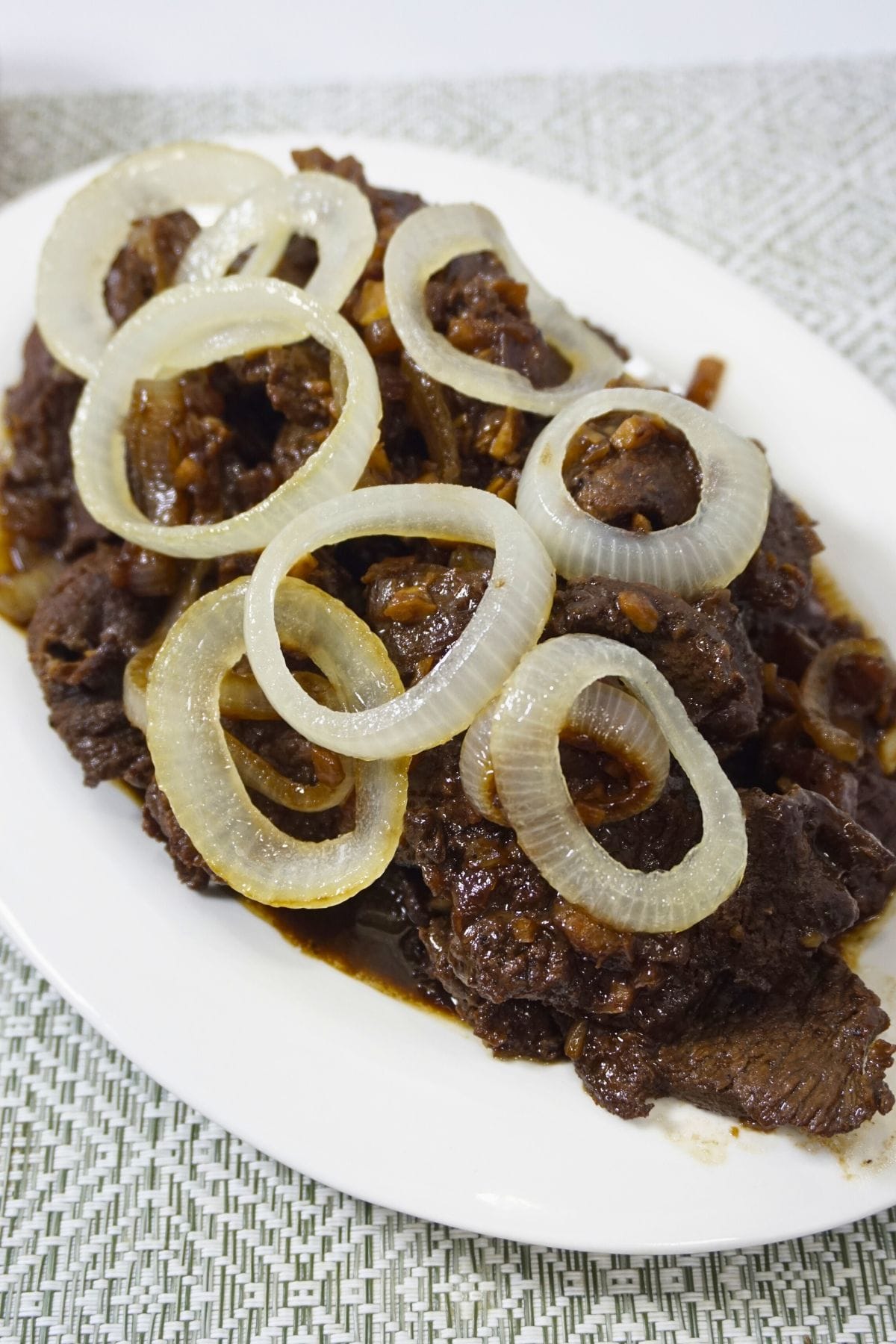
Bistek Tagalog Recipe
Bistek Tagalog is simple but elegant. Thin beef slices simmer gently with onions in a soy and citrus blend that tastes salty and tangy. The onions soften and sweeten while the meat keeps a tender bite. I always notice the clean, slightly sour finish from the citrus that lifts the dish. It smells like a homecooked meal and pairs perfectly with steaming white rice to soak up the savory juices.
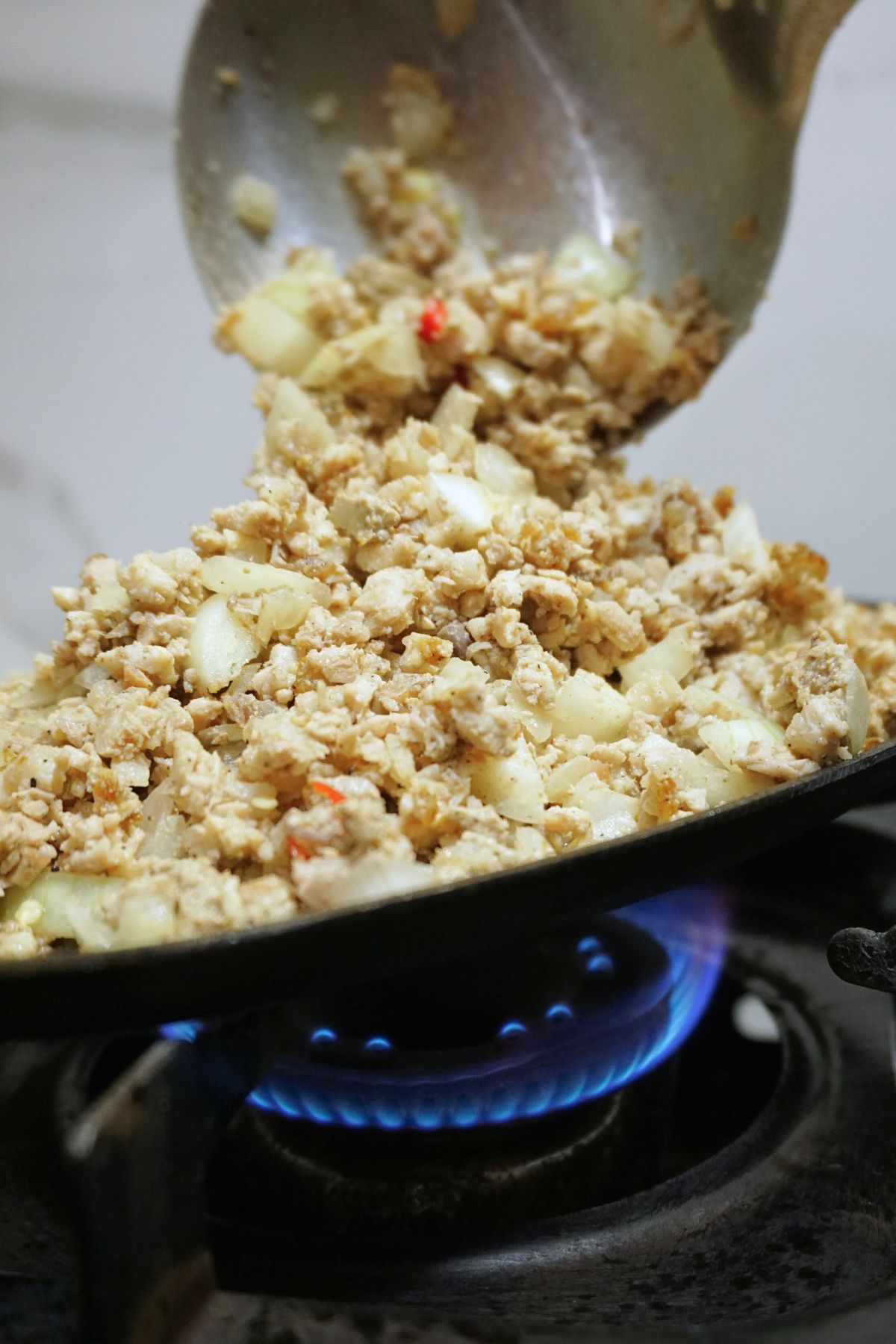
Pork Sisig Recipe
Pork sisig is a sizzling, bold dish that brings texture and spice. Finely chopped pork cooked with onions and chilies creates a mix of crisp bits and tender pieces. Lemon or calamansi brightens each spoonful and the heat wakes up the senses. I enjoy how the contrast between crunchy edges and soft inner bites keeps your mouth interested. It tastes lively and is best eaten while still hot and fragrant.
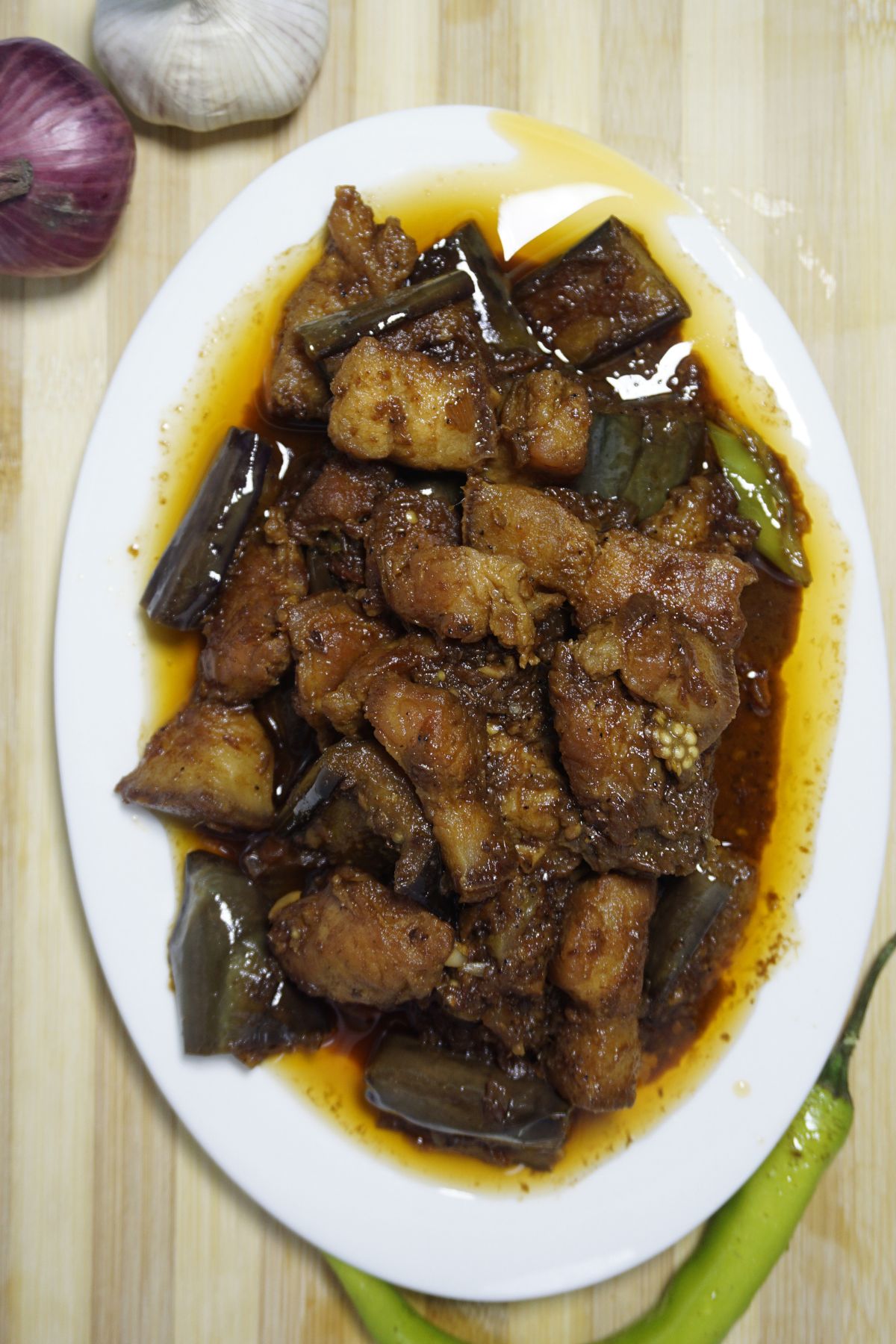
Pork Binagoongan
Binagoongan brings a deep savory punch from fermented shrimp paste. Pork simmers until tender in a tomato and shrimp paste sauce that is salty, slightly sweet, and wonderfully pungent. The flavor is robust and pairs well with plain rice to balance the intensity. When I cook it at home, the smell is unmistakable and comforting. Small bursts of tomato add freshness and a little tang that rounds the dish.

Chicken Afritada Recipe
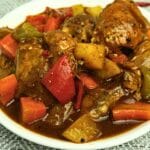
Chicken afritada is a tomato forward dish that feels bright and hearty. Pieces of chicken simmer in a tangy tomato sauce with potatoes, carrots, and bell peppers that soak up the sauce and become soft and tasty. The sauce tastes slightly sweet and savory at the same time. I love how the vegetables add color and texture while the chicken stays juicy. It is a nice, saucy plate that makes rice irresistible.
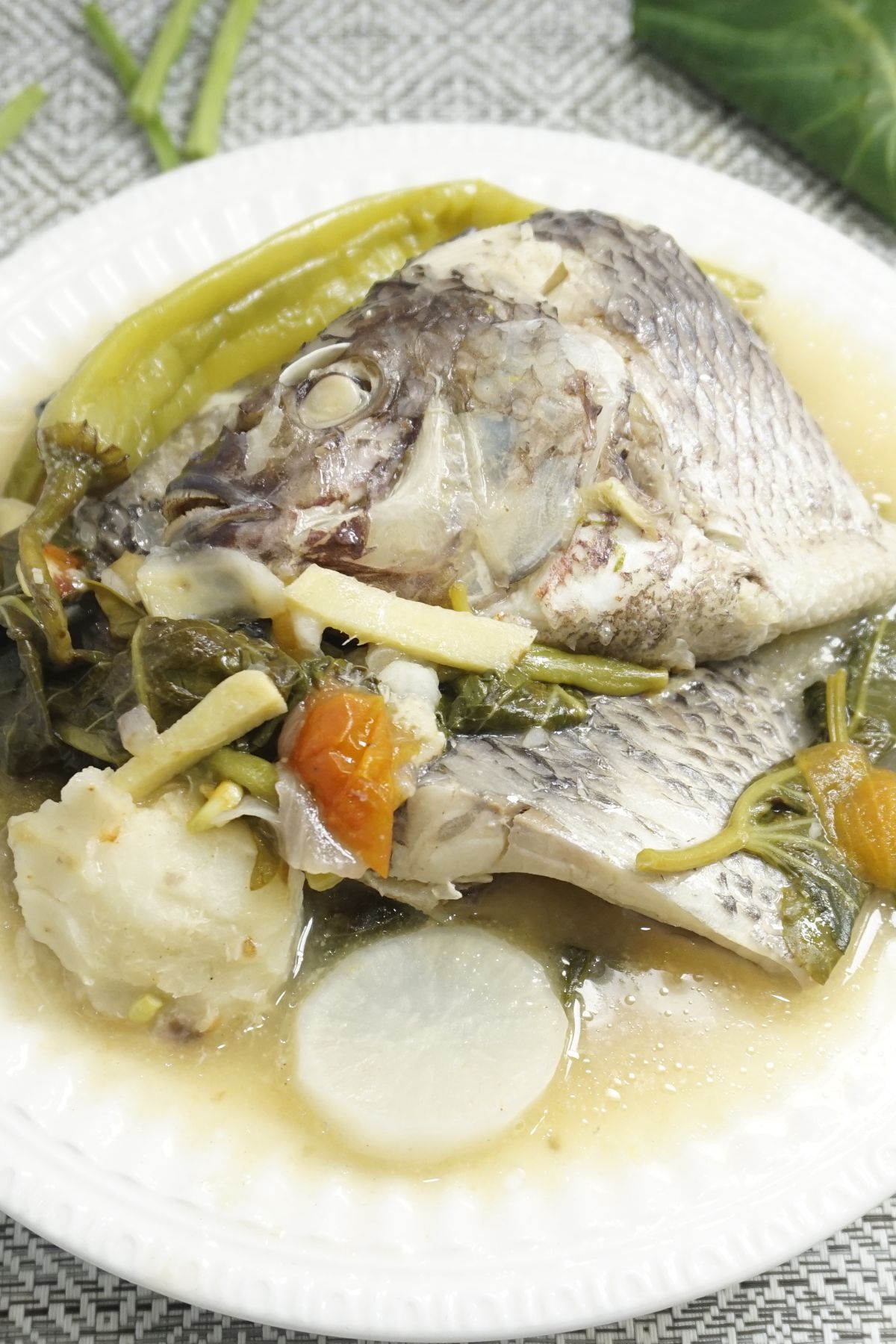
Sinigang na Tilapia Recipe
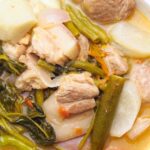
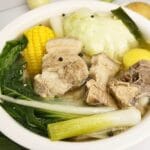
Sinigang na tilapia brings a clean sourness from tamarind that warms you. The fish cooks quickly and stays flaky and delicate in the broth. Vegetables swim in the tangy soup and take on the sour flavor while the broth remains light and refreshing. I always appreciate the inviting aroma of tamarind and the way the soup brightens rice. It feels like a hug in a bowl on any day you crave something lively and soothing.
Helpful Cooking Tips
Start with good rice because most carinderia dishes shine with plain steamed rice beside them. Taste while you cook and adjust salt, soy, or vinegar in small amounts so the flavors balance. For crispy pork, dry the skin thoroughly before frying to get better crunch. Squeeze fresh calamansi or lemon over sisig and bistek before serving for freshness. When making soups like sinigang, add tamarind gradually to reach the sourness you like. Finally, prepare some dishes a day ahead to let flavors deepen, especially stews and adobo.
Frequently Asked Questions
What makes a dish feel like carinderia food?
Carinderia food often has straightforward, bold flavors and comforting textures. Expect familiar seasonings like soy, vinegar, garlic, tomatoes, and shrimp paste. The cooking is practical and homestyle, not fussy. Portions are hearty and made to go with rice. Simple techniques such as simmering, braising, and frying produce dishes that are flavorful, filling, and easy to enjoy quickly.
Can I make a carinderia menu on a weekday?
Yes. Choose one or two dishes that cook quickly like sinigang, bistek, or lumpiang shanghai. Slow simmered items like adobo get better overnight, so cook them earlier in the week. Use batch cooking for rice and prep vegetables ahead to save time. With planning you can serve multiple carinderia favorites across a few nights without spending all evening in the kitchen.
How do I keep lechon kawali crispy at home?
Dry the pork skin thoroughly and pat it with salt before frying. Use medium hot oil to render the fat and crisp the skin without burning. After frying, drain on a rack rather than paper towels so steam does not soften the crust. Fry in batches if needed to keep oil temperature steady. Serve immediately with a vinegar dipping sauce to maintain the crackle.
What can I serve with these dishes for a balanced meal?
Most carinderia plates go well with plain steamed rice and a simple vegetable side such as ginisang repolyo or a fresh salad to add crunch. For soups, pair with rice or pandesal. Include a small serving of pickled vegetables or atchara to cut through richer dishes. A light dessert like mango graham or fruit salad is a nice finish without being heavy.
How do I adjust the sourness in sinigang or adobo?
Add souring agents slowly and taste frequently. For sinigang use tamarind concentrate, fresh tamarind, or calamansi juice a little at a time until the broth reaches the tang you like. With adobo, add vinegar in small steps and simmer to blend the sharpness. If it becomes too sour, balance with a pinch of sugar or a bit more soy sauce to restore harmony.
Final Thoughts
Bringing carinderia favorites into your home is one of the easiest ways to enjoy Filipino cooking every day. These ten dishes give you a broad range of tastes from tangy and soupy to crispy and savory. Cook a few at once and you will have a spread that reminds you of those quick counter meals, but with the comfort of home. Try a couple of recipes this week and notice how the smells and flavors change your kitchen. Share the plates, pass the rice, and enjoy the small everyday joy of carinderia food at your own table.
Related posts:
 Top 15 Classic Filipino Ulam Recipes You Need to Try
  10 Classic Pork Recipes That Never Fail
  Top Filipino Recipes to Impress Non-Filipinos
  Top 10 Filipino Dishes That Are Best Paired With Rice
  16 Rice Dishes That Prove Rice Goes with Everything
  10 Filipino Vegetable Dishes with Meat
  9 Must Try Filipino Bangus and Tilapia Recipes
  10 Filipino Recipes for Family Gatherings