Starting to cook Filipino food can feel exciting and a little scary. I remember the first time I made adobo and how the whole kitchen smelled like garlic and soy as the sauce reduced. These ten recipes are the ones I tell new cooks to try first. They use simple ingredients, teach basic techniques, and deliver big smiles at the table. You will practice simmering braises, making clear soups, frying golden fish, and layering a no bake dessert. By the end you will know flavors that define Filipino home cooking and feel confident enough to improvise.

Chicken Tinola Recipe
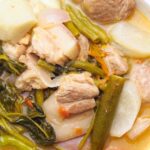
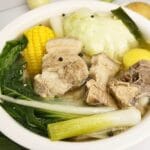
Chicken tinola is a bright clear soup that comforts and refreshes. Ginger makes the broth warm and fragrant while green papaya or chayote adds soft texture. The leafy greens wilt into the warm broth so each spoonful feels light and nourishing. This recipe is perfect for learning how to coax flavor from simple ingredients and to time vegetables so they stay tender but not mushy. Tinola teaches gentle simmering and balancing aromatics.
Filipino Chicken Adobo Recipe
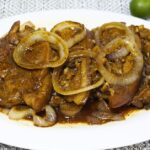
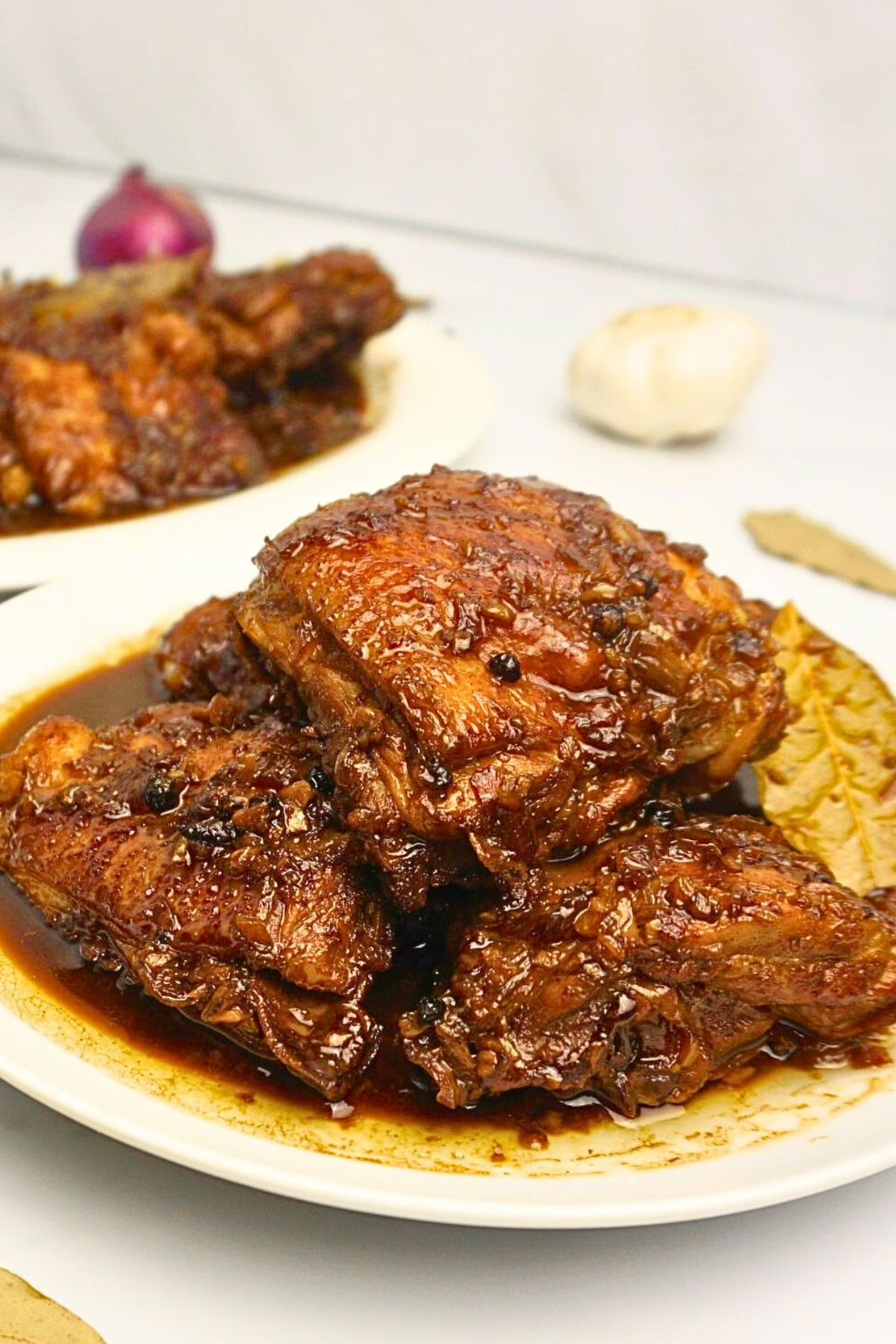
Chicken adobo is a true beginner staple. Pieces of chicken simmer in soy sauce, vinegar, and lots of garlic until the meat is tender and the sauce is glossy. The taste is tangy with a savory backbone and a gentle sweetness if you add a little sugar. I love how the aroma of braising garlic fills the kitchen and how the meat stays juicy as it soaks up the sauce. Spoon it over hot rice for a satisfying, simple meal.
Sinigang na Tilapia Recipe
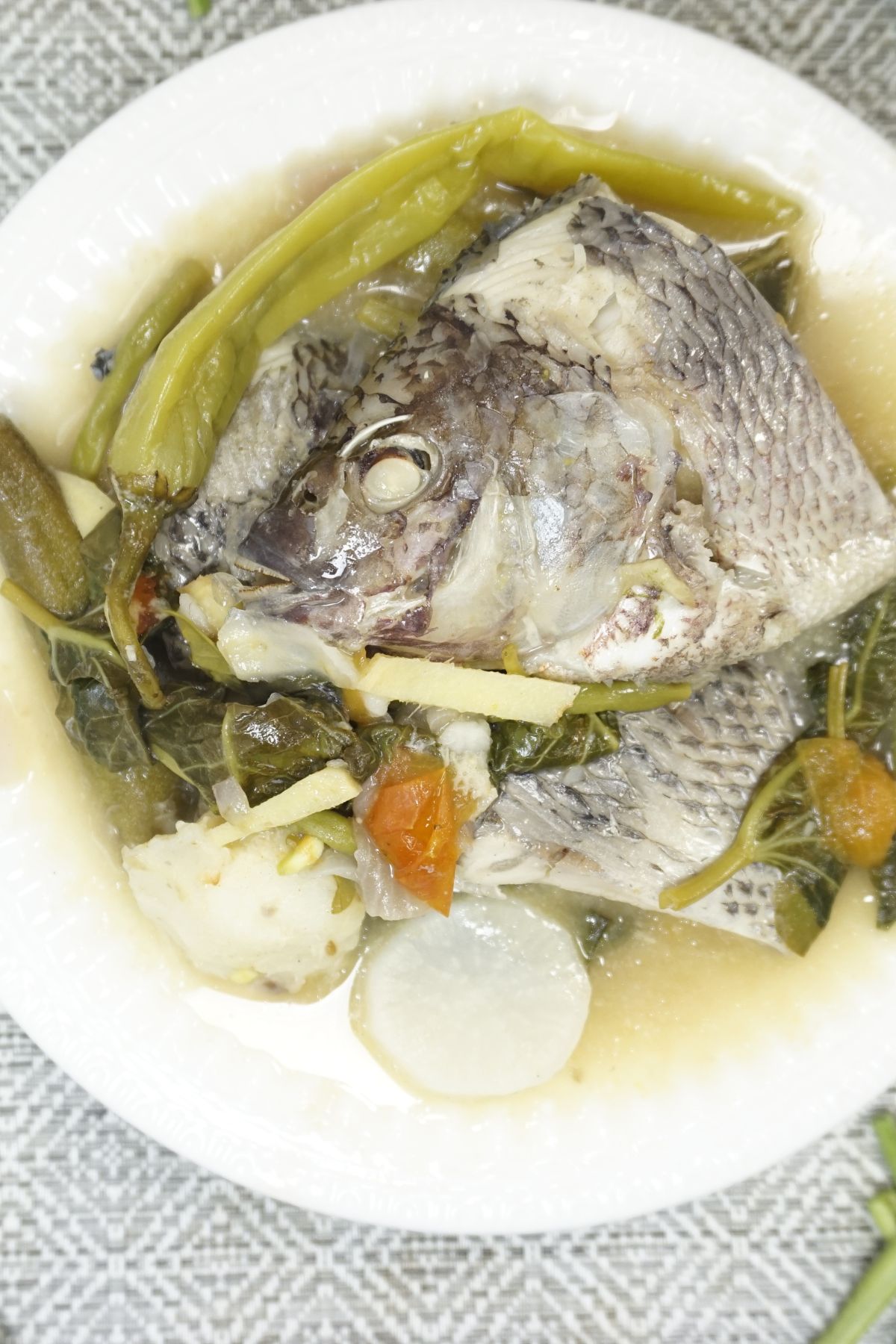
Sinigang is all about a lively sour broth. Tilapia cooks quickly in a tamarind based soup loaded with vegetables so the flavors stay fresh and bright. The first sip wakes up your taste buds with a pleasant sourness while the fish gives a clean seafood finish. I enjoy how the broth smells tangy and herbal, and how the vegetables keep a little bite. It is a great dish to practice tasting and adjusting sourness and salt.
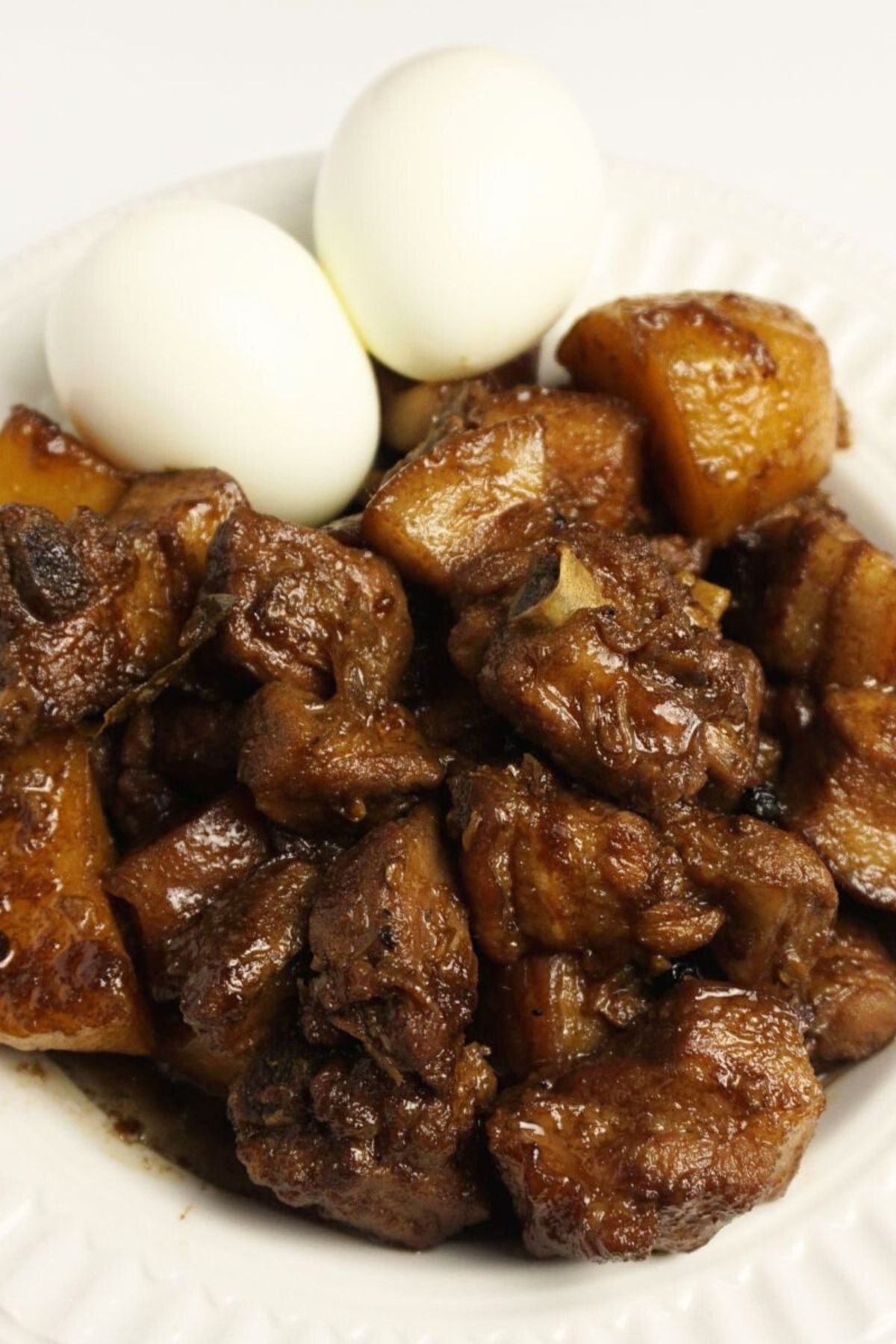
Pork Adobo Recipe
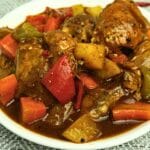
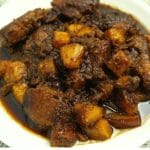
Pork adobo teaches control of heat and timing. Cubes of pork slowly simmer in soy sauce and vinegar until the fat softens and the sauce thickens. The result is rich and slightly tangy with a silky mouthfeel from the rendered pork fat. You will notice a deep savory smell and a balance between salty and sour that makes rice irresistible. It is a great dish to practice browning meat and reducing sauces.

Pancit Canton
Pancit Canton is a stir fried noodle dish that shows you how to toss and season quickly over medium high heat. The noodles soak up a savory sauce and mingle with vegetables, meat, and sometimes shrimp. The texture should be springy with a slight chew and bits of crisp vegetable for contrast. The aroma of garlic and soy as you toss the pan is irresistible. This recipe helps build skill with timing and keeping ingredients moving in the pan.

Lumpiang Shanghai
Lumpiang Shanghai are small fried spring rolls filled with seasoned ground pork and vegetables. The filling is savory and slightly sweet from a touch of sugar and cooking makes the wrappers crunchy and golden. When you bite in you get a hot meaty center and a crisp shell that crackles. These are fun to make because you practice rolling and frying small parcels and the result is always a party pleaser to serve with a dipping sauce.
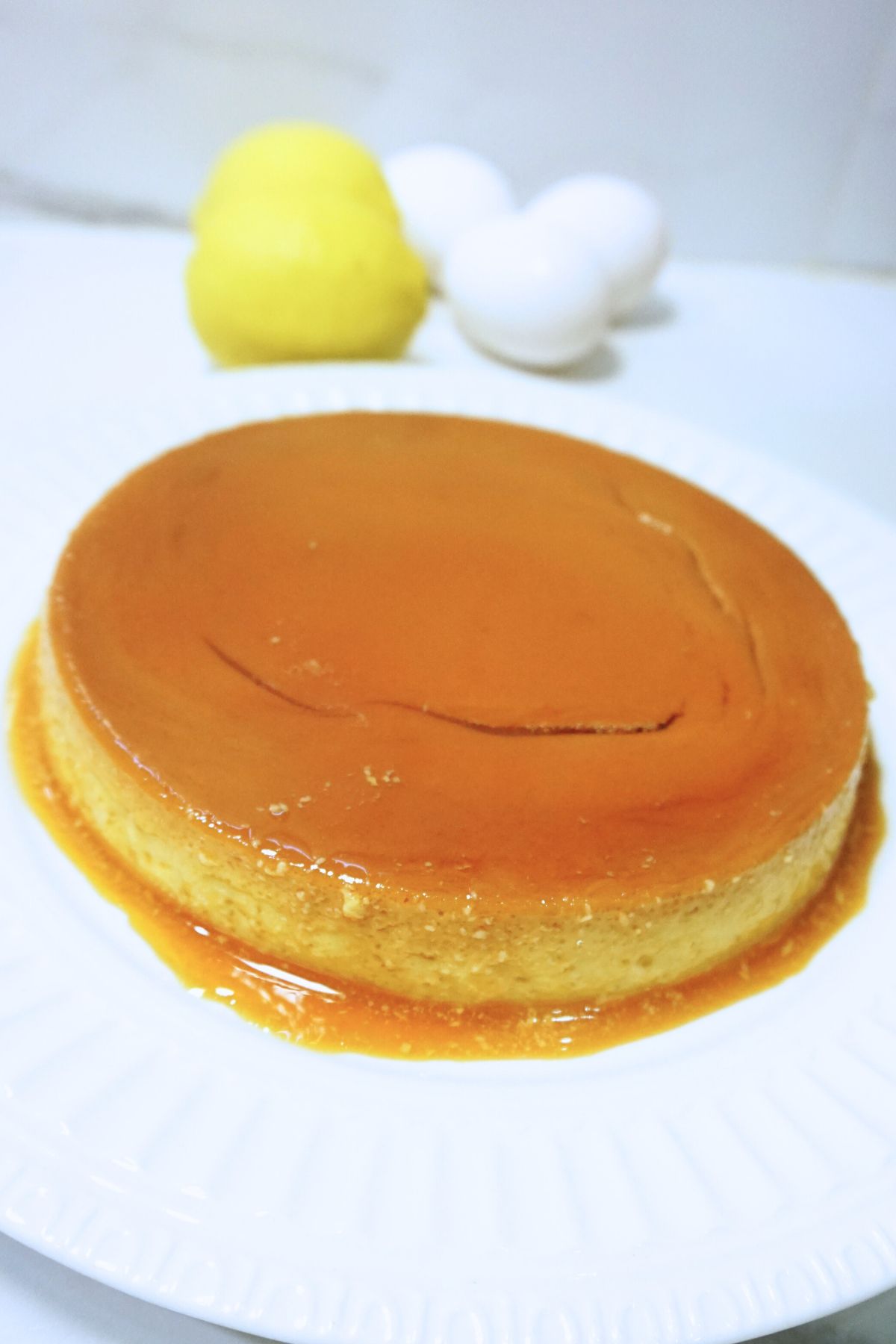
Leche Flan
Leche flan is a silky custard topped with caramel syrup. It is a simple dessert to master because it relies on gentle steaming or baking to set the custard without bubbles. The texture is luxuriously smooth and creamy and each spoonful melts in your mouth. I enjoy the sweet caramel aroma and how the golden syrup pools over each slice. Making flan teaches careful temperature control and patience while it cools and firms up.
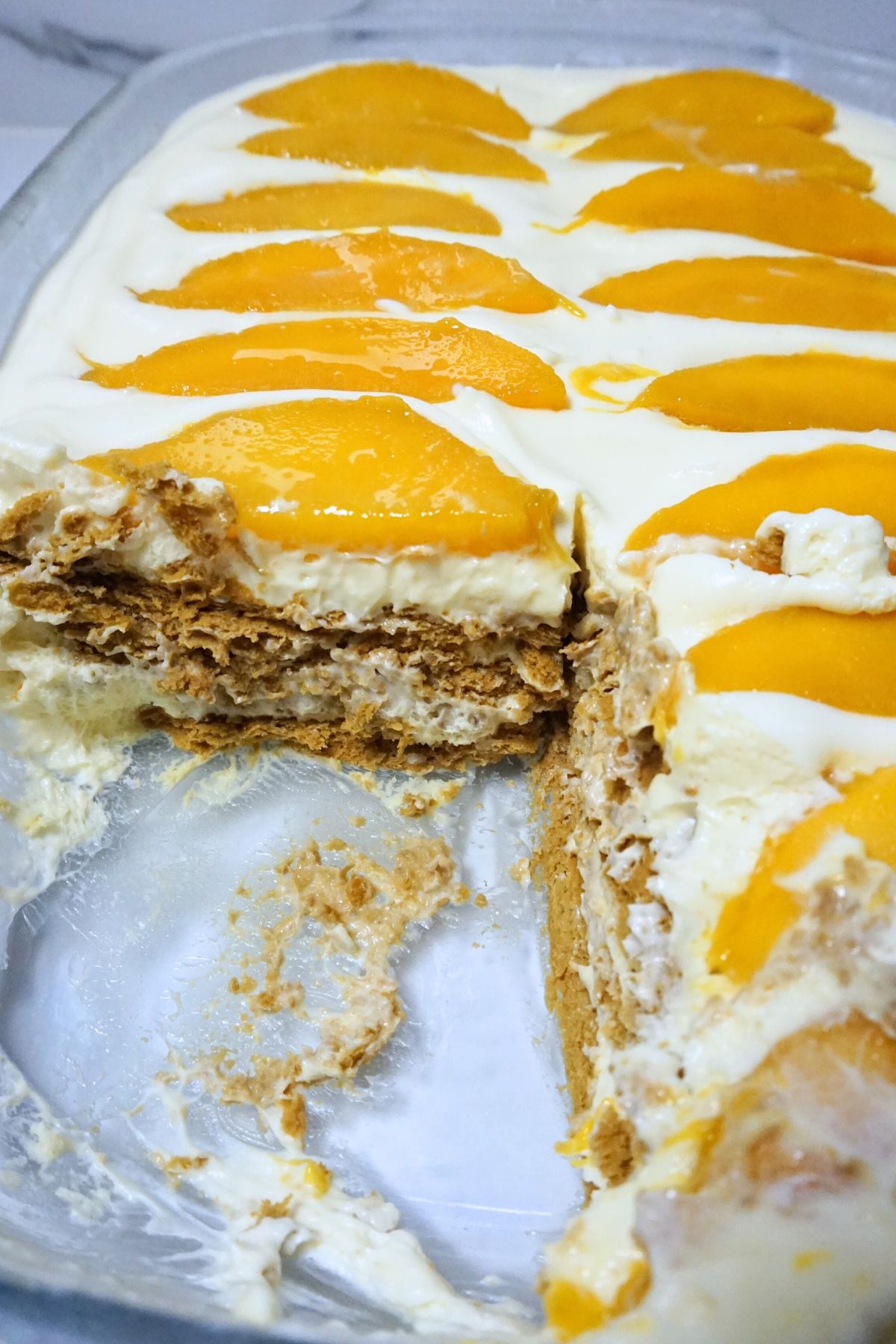
Mango Graham
Mango Graham is an easy no bake dessert layered with sweet ripe mangoes, graham crackers, and creamy filling. The crackers soften slightly and give a cake like bite while fresh mango adds a bright juicy note. The cream is smooth and light so the whole dessert feels refreshing rather than heavy. It is a lovely recipe for practicing layering and simple assembly and it cools quickly for quick serving on warm days.

Ginisang Monggo with Pork
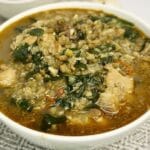
Ginisang monggo is mung beans cooked until soft and mingled with pork and aromatics. The texture is hearty and a little creamy from the beans while the pork adds savory richness. It smells fragrant from garlic and onions and tastes nourishing and filling with a gentle earthiness. Making monggo is great for beginners because it teaches simmering legumes until tender and layering flavors with simple sautéed meat and seasonings.
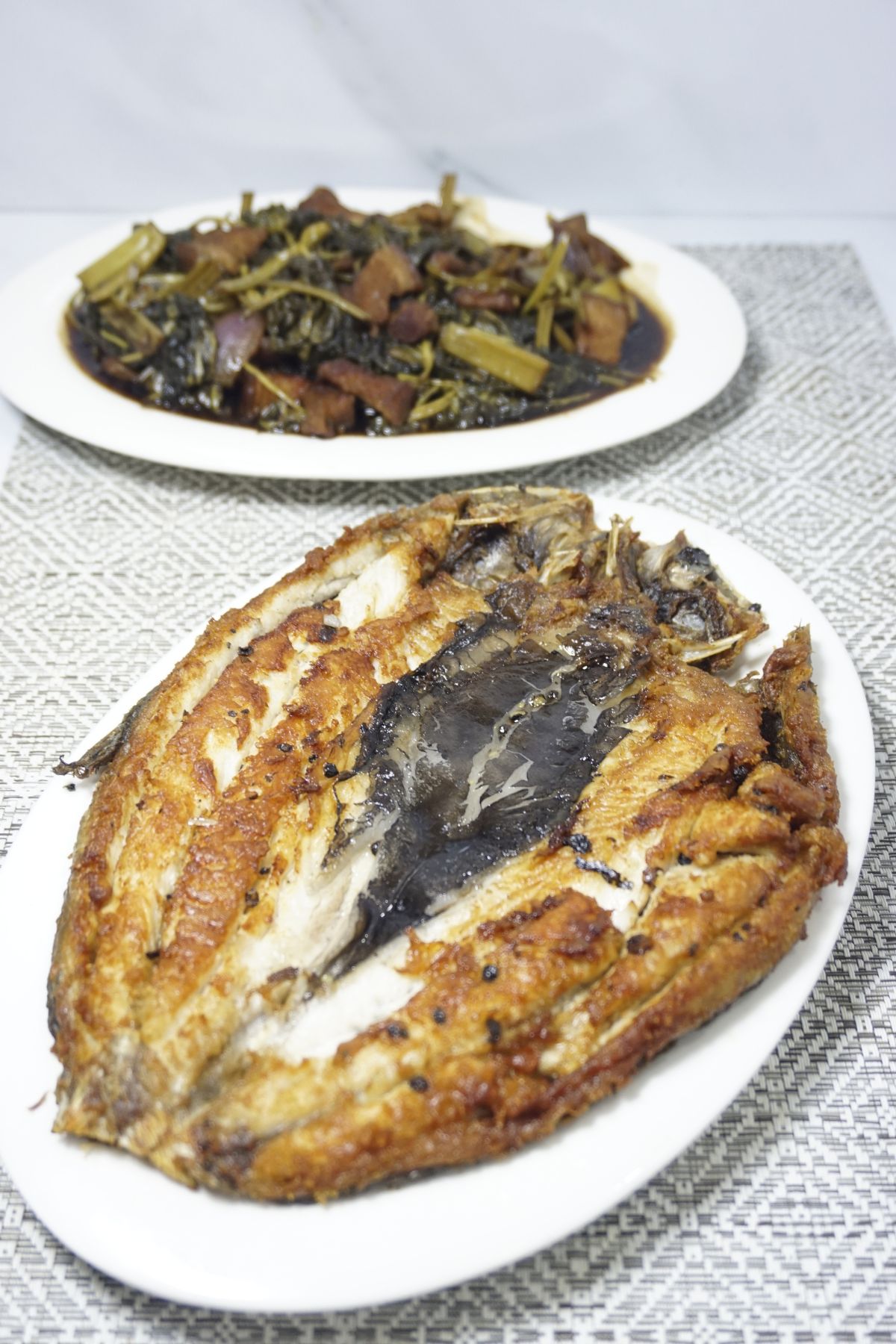
Daing na Bangus
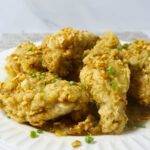
Daing na bangus is marinated milkfish fried until the skin is crisp and the flesh flakes easily. The marinade gives the fish a bright tang and the frying adds a toasty aroma and crunchy texture. I like how the inside stays moist while the outside crackles. Serve it with rice and vinegar dipping sauce for a balance of savory, tangy, and fatty notes. This recipe builds confidence with marinades and pan frying delicate fish.
Helpful Cooking Tips
Start simple and focus on technique. For braises like adobo let the sauce reduce slowly so flavors concentrate without drying the meat. When making soups and broths use fresh aromatics and add delicate vegetables near the end. For frying, heat the oil properly so food turns golden quickly and does not absorb too much oil. Taste as you go and adjust salt or sour with small additions. Use ripe mango for desserts and day old crackers for layered sweets so textures stay pleasing. Keep common pantry items on hand soy sauce vinegar garlic and onions so you can make many Filipino dishes without a trip to the store.
Frequently Asked Questions
What are the basic pantry items I need to start cooking Filipino food?
Begin with soy sauce vinegar garlic onions rice and cooking oil. Add fish sauce and calamansi or lemon if you can. For soups keep tamarind paste or sinigang mix and some dried shrimp for extra depth. Having these basics lets you make adobo sinigang tinola and many other dishes without special shopping. Keep a small jar of bagoong or shrimp paste for authentic flavor in vegetable dishes when you are ready.
How do I know when adobo is done?
Adobo is done when the meat is tender and the sauce has thickened to a glossy coating. For chicken check that it is cooked through and falls off the bone easily. For pork simmer until the meat is soft and almost fork tender. Taste the sauce and adjust seasoning near the end. If the sauce is too thin let it simmer a little longer to reduce or turn up the heat briefly while stirring carefully.
Can I make these recipes ahead and reheat them later?
Yes many Filipino dishes improve with time. Adobo pork and meat stews taste even better after a day because flavors meld. Soups keep well but add leafy greens fresh when reheating. Fry items like lumpia are best eaten fresh to keep the wrapper crisp but you can reheat in an oven to revive crunch. Desserts like mango graham and leche flan store well in the fridge and often set more nicely after chilling.
How do I adjust sourness in sinigang without making it too salty?
Add tamarind or sinigang mix gradually and taste often. If the soup becomes too sour start with a little sugar to balance but avoid over sweetening. You can dilute the broth with a bit of water or add more vegetables that absorb acidity like potatoes or radish. To manage saltiness, add fresh water and recheck seasoning instead of immediately adding more salt or fish sauce.
What is the easiest way to cook fish without it falling apart?
Use medium heat and a non stick or well seasoned pan and let the fish develop a crust before turning. For thin fillets like bangus pat the fish dry and fry skin side down first. Avoid flipping too soon and use a spatula to support the fish. Marinating briefly helps the flesh hold together and adds flavor. If you steam or poach keep cooking gentle and short to prevent the fish from breaking apart.
Final Thoughts
These ten recipes are a gentle path into Filipino cooking. Together they cover basic skills like braising simmering frying and assembling simple desserts. Try one or two at a time and notice how familiar ingredients change with different techniques. I promise the aromas will make you smile and the flavors will teach you what makes Filipino food so satisfying. Once you master these dishes you will find it easy to explore more recipes and to put your own spin on family favorites.
Related posts:
 Top 15 Classic Filipino Ulam Recipes You Need to Try
  10 Classic Pork Recipes That Never Fail
  Top Filipino Recipes to Impress Non-Filipinos
  Top 10 Filipino Dishes That Are Best Paired With Rice
  16 Rice Dishes That Prove Rice Goes with Everything
  10 Filipino Vegetable Dishes with Meat
  9 Must Try Filipino Bangus and Tilapia Recipes 10 Easy Filipino Pork Dishes You Can Cook Today