I know the struggle. You bring home a basket of vegetables and a chorus of noes starts at the table. I have salvaged many dinners with simple tricks and familiar Filipino flavors. These recipes help vegetables feel like the star without drama. They use eggs, coconut milk, mild sauces, or a little pork to keep textures soft and flavors friendly for little mouths. I cooked through this list myself and found each dish sneaks in greens without a fight. Read on and get ready for easy dishes that smell like home and taste like a warm hug.
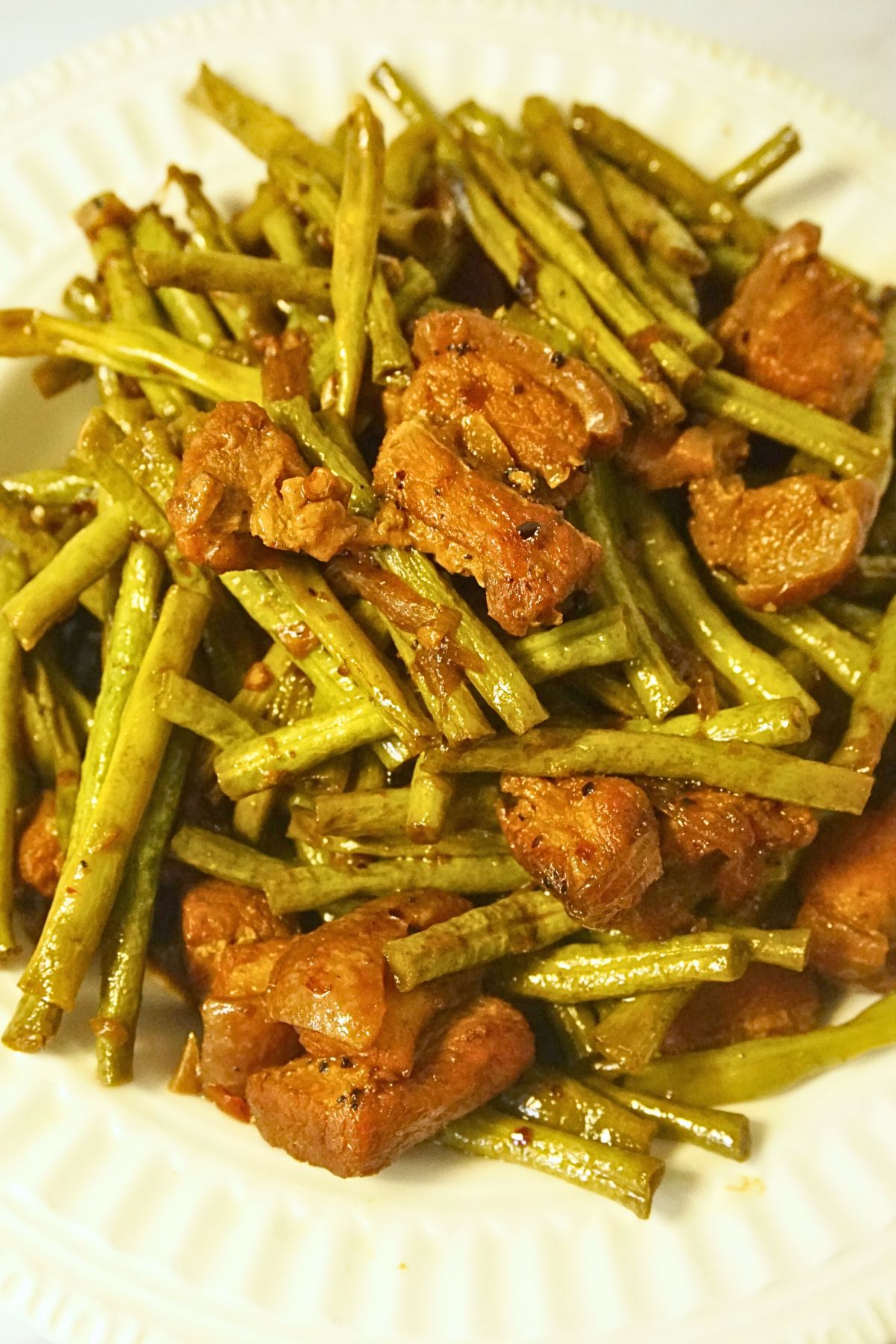
Adobong Sitaw with Pork
Adobong sitaw with pork balances tender string beans with savory pork simmered in a familiar adobo sauce. The sitaw soaks up the garlicky, tangy soy and vinegar broth until it is soft but still slightly crisp. Kids often like the mild sourness and the meaty pieces give the dish a comforting chew. Serve it over steaming rice and the aroma of simmered garlic and soy draws everyone to the table. It feels simple and homey with each bite that mixes sauce, bean, and pork.
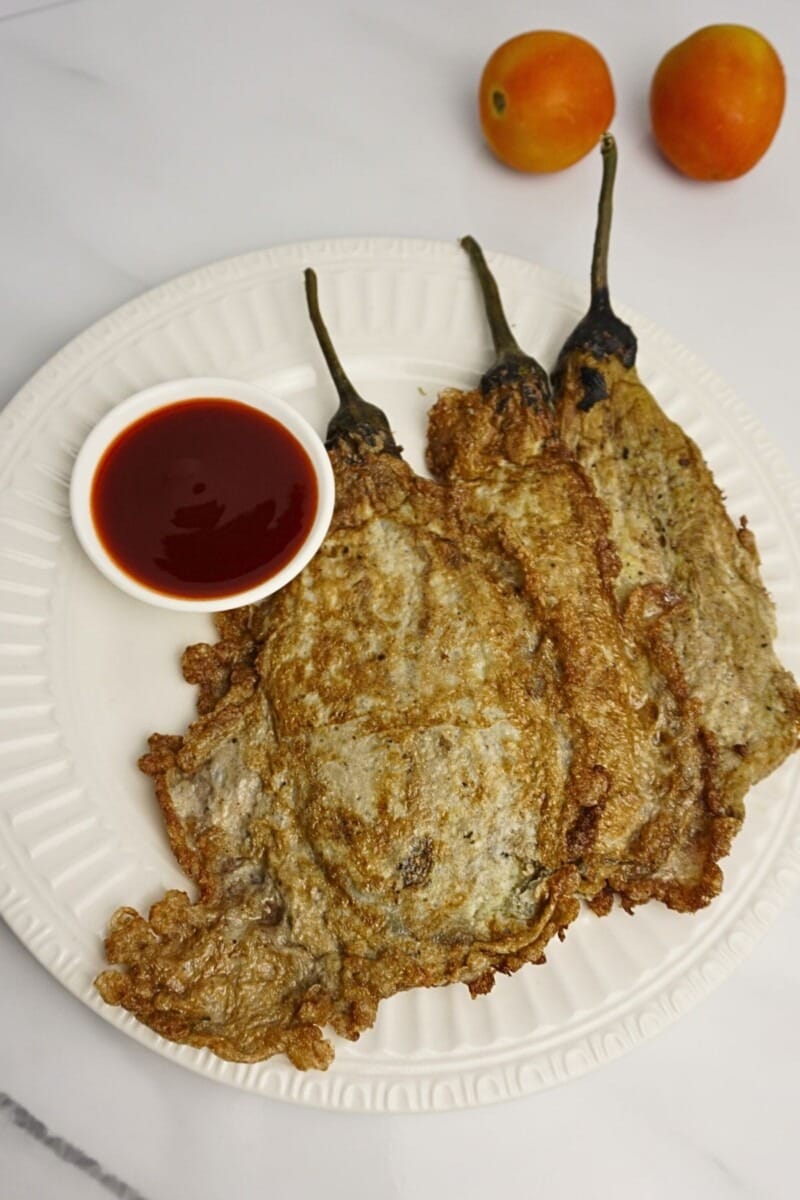
Tortang Talong Recipe
Tortang talong is grilled eggplant coated in egg and pan fried until golden. The egg makes the smoky eggplant soft and familiar, so kids often accept it like a veggie pancake. The outside gets a light crisp while the inside stays silky and almost creamy. A little ketchup or soy makes it even more kid friendly. I love how the grill scent mixes with frying aromas that promise a plate of warm, tender bites kids can pick up easily.
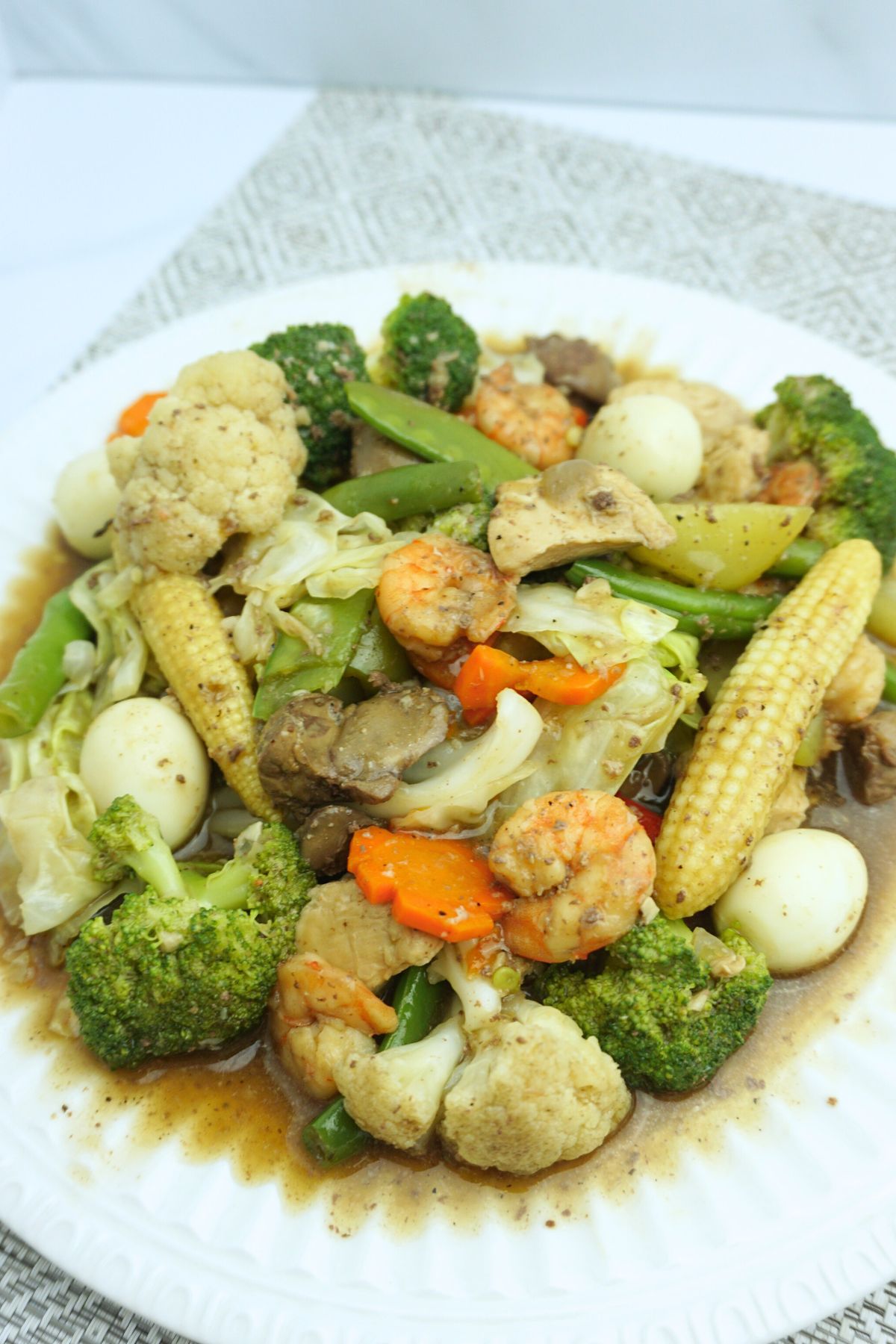
Chopsuey Recipe
Chopsuey is a colorful stir fry of vegetables, meat, and often seafood tossed in a savory sauce. The veggies stay bright and slightly crunchy which gives the dish a fun mouthfeel. Kids enjoy the mix because each forkful can include a bit of carrot, broccoli, or cabbage with tender meat. The sauce sticks everything together so even picky eaters accept a spoonful. It smells fresh and lively from garlic and soy, and the variety keeps each bite interesting.
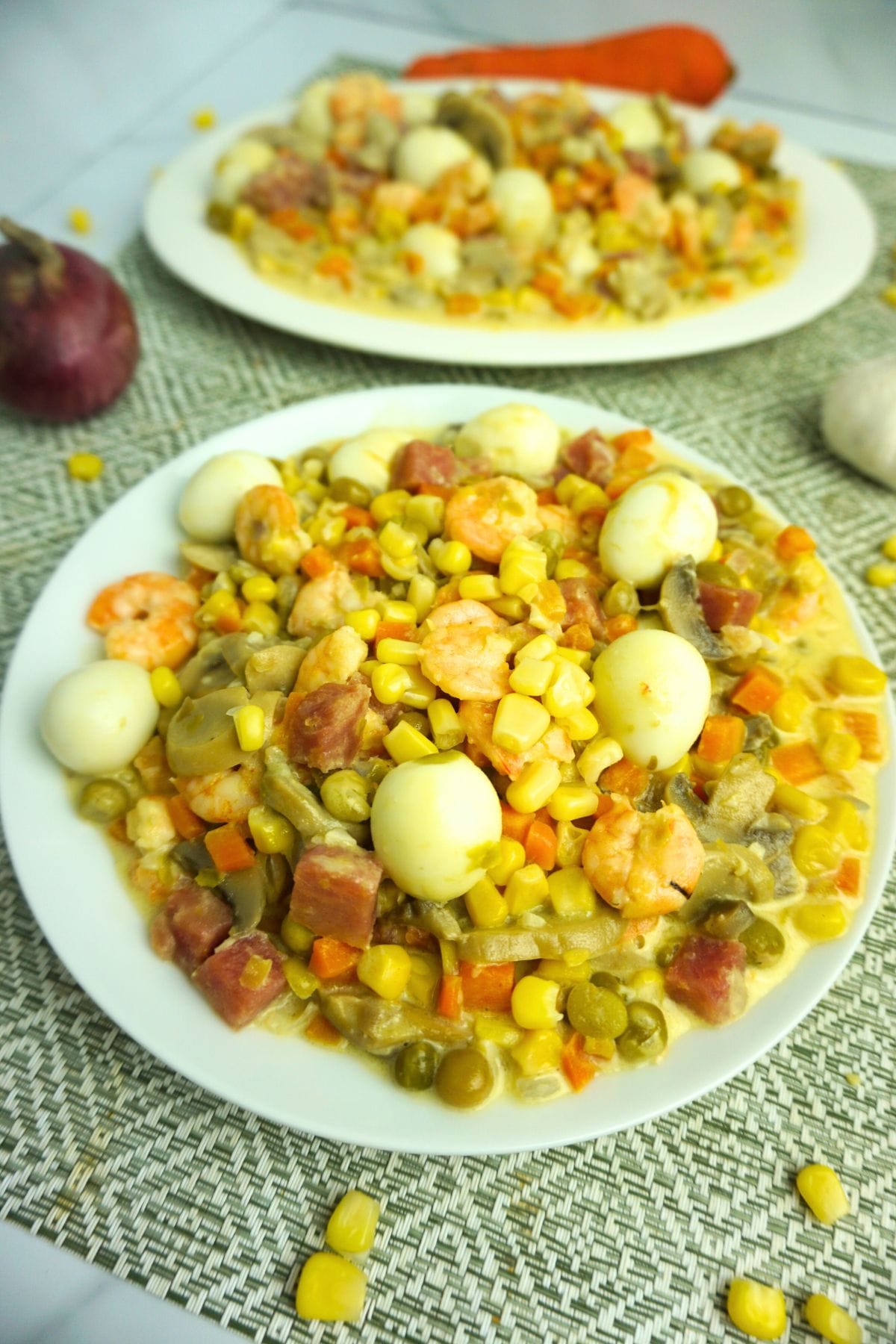
Sipo Egg Recipe
Sipo egg combines mixed vegetables with quail eggs in a creamy, flavorful sauce. The quail eggs are tiny and fun to eat, and the sauce wraps the vegetables in a gentle richness. It has a slightly silky texture that children like because nothing is too tough or spicy. When I serve it, the little golden eggs peek through the greens and carrots and invite curiosity. It is one of those dishes that looks celebratory but is simple enough for everyday.
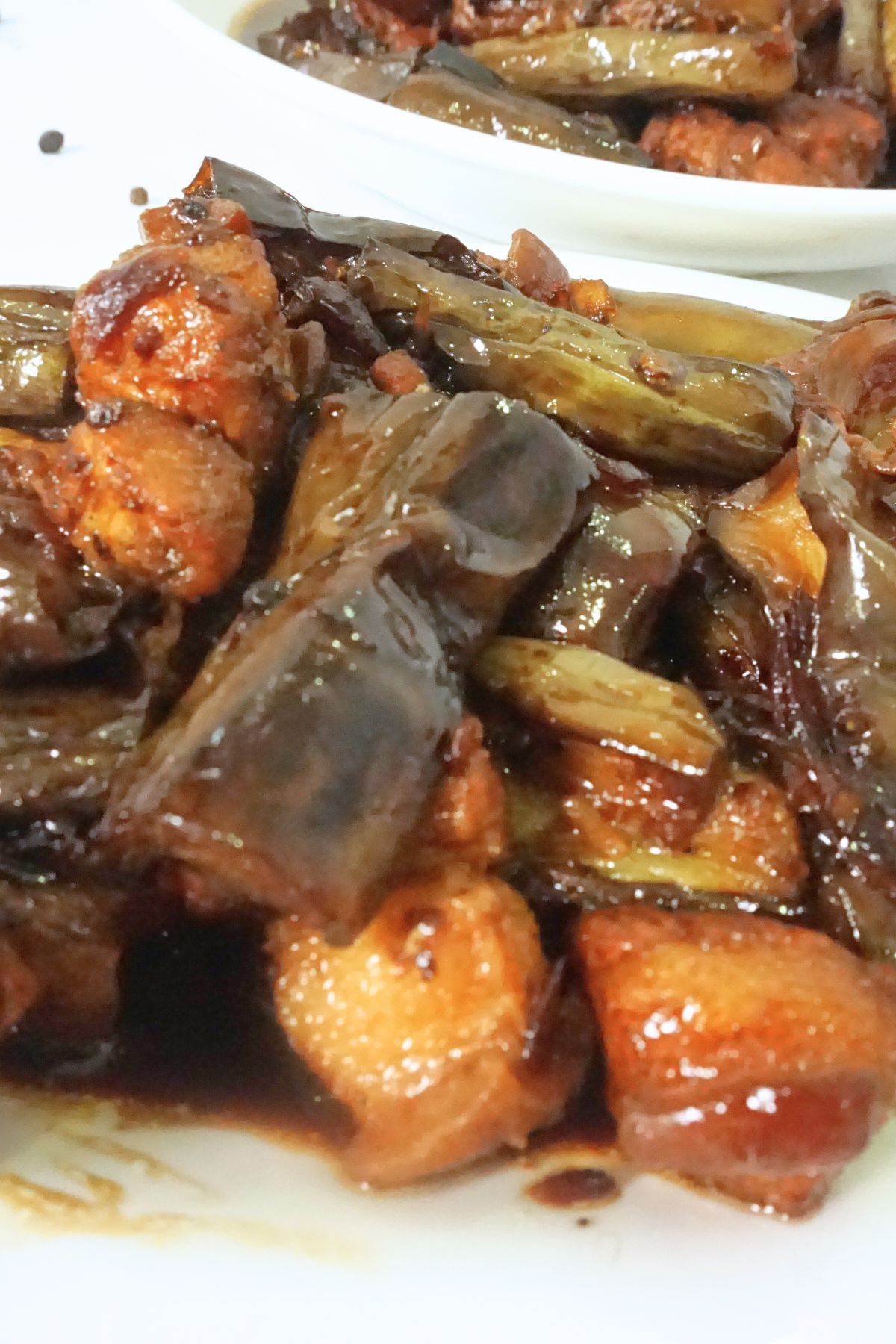
Eggplant Adobo Style (Adobong Talong)
Eggplant cooked adobo style brings eggplant into a tangy soy and vinegar bath with garlic. The eggplant becomes soft and succulent, absorbing the savory-sour flavors so every bite is full and familiar. Kids often like the creamy texture and mild tang rather than bitter notes. The smell of garlic and simmered soy makes it feel like a proper family dinner. Pair it with rice so each spoonful mixes silky eggplant with the slight zip of adobo.
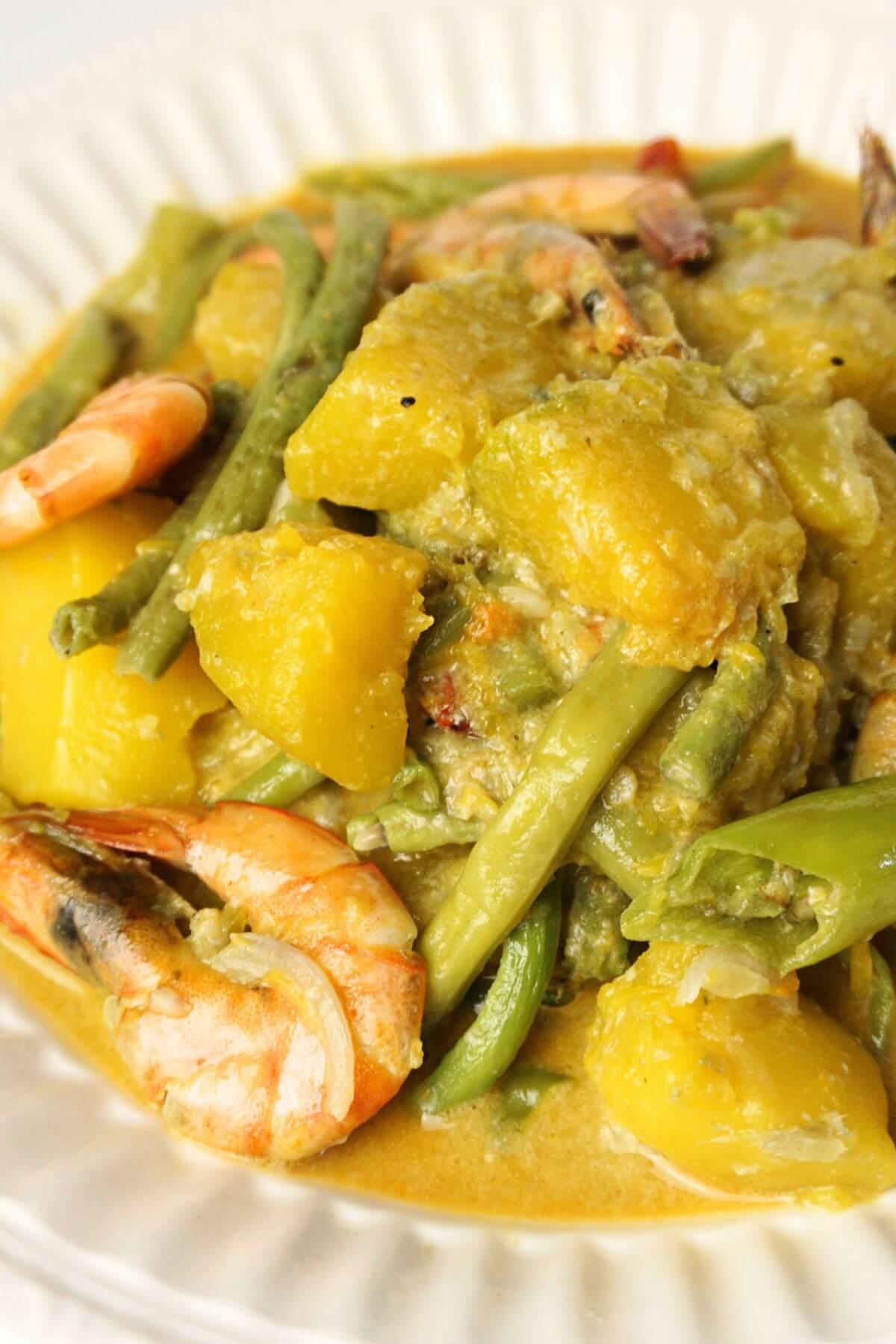
Ginataang Gulay with Shrimp
Ginataang gulay with shrimp simmers mixed vegetables and shrimp in creamy coconut milk. The coconut mellows and sweetens the vegetables while the shrimp adds a gentle sea flavor that most kids find mild and pleasant. Textures vary from tender squash to crisp greens so every forkful has a little surprise. The aroma is warm and slightly sweet from coconut which usually wins curious little eaters. It feels rich but not heavy, an easy way to introduce more vegetables with a familiar creamy sauce.

Ginisang Monggo with Pork
Ginisang monggo cooks mung beans until tender then blends them with pork for a hearty, nourishing meal. The beans become soft and almost creamy, making the dish easy for kids to chew. The pork adds savory depth and small chunks that make the soup more filling. Flavors are gentle and slightly nutty from the mung beans, with a homey aroma that settles the appetite. I like serving this with rice for a simple, warm dinner that feels like a hug.
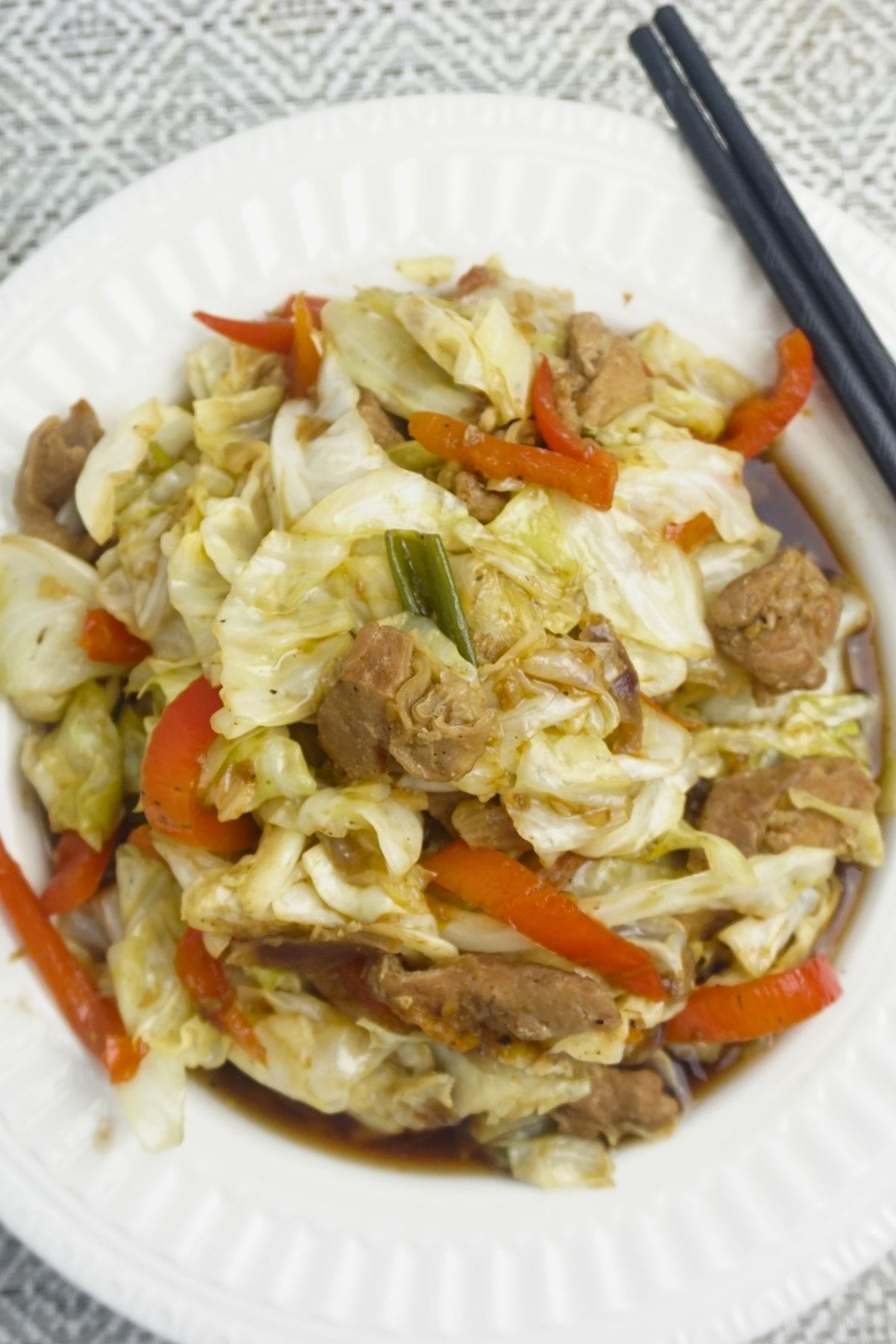
Ginisang Repolyo
Ginisang repolyo sautés cabbage with garlic, onions, and simple seasonings until tender and flavorful. The cabbage softens and becomes sweet, losing any stiffness that might turn kids away. The dish smells of toasted garlic and sweet onion which makes it instantly appealing. It cooks quickly so textures stay soft and light. I often add a little soy or fish sauce to bring out the sweetness. It is one of those quick sides that transforms plain rice into something kids eat happily.
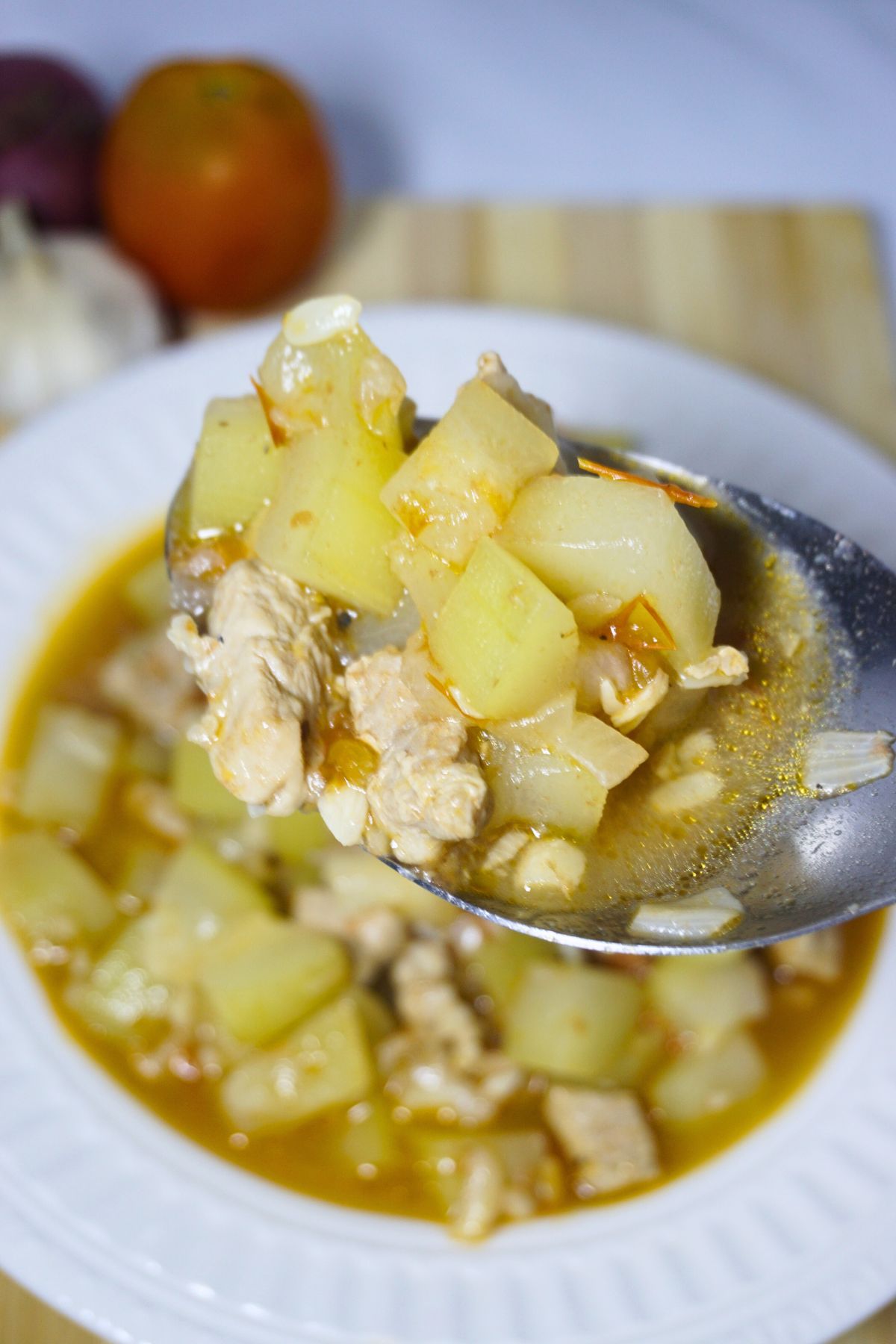
Ginisang Upo Recipe
Ginisang upo features bottle gourd cooked with aromatics and savory seasonings for a light and gentle dish. The upo becomes tender and almost melts in your mouth while retaining a subtle, fresh flavor. Kids like it because it is not strong tasting and the soft texture is easy to eat. Garlic and onion give it a home-cooked scent and a little soy adds comforting saltiness. It is simple to prepare and pairs nicely with rice for a mellow meal.
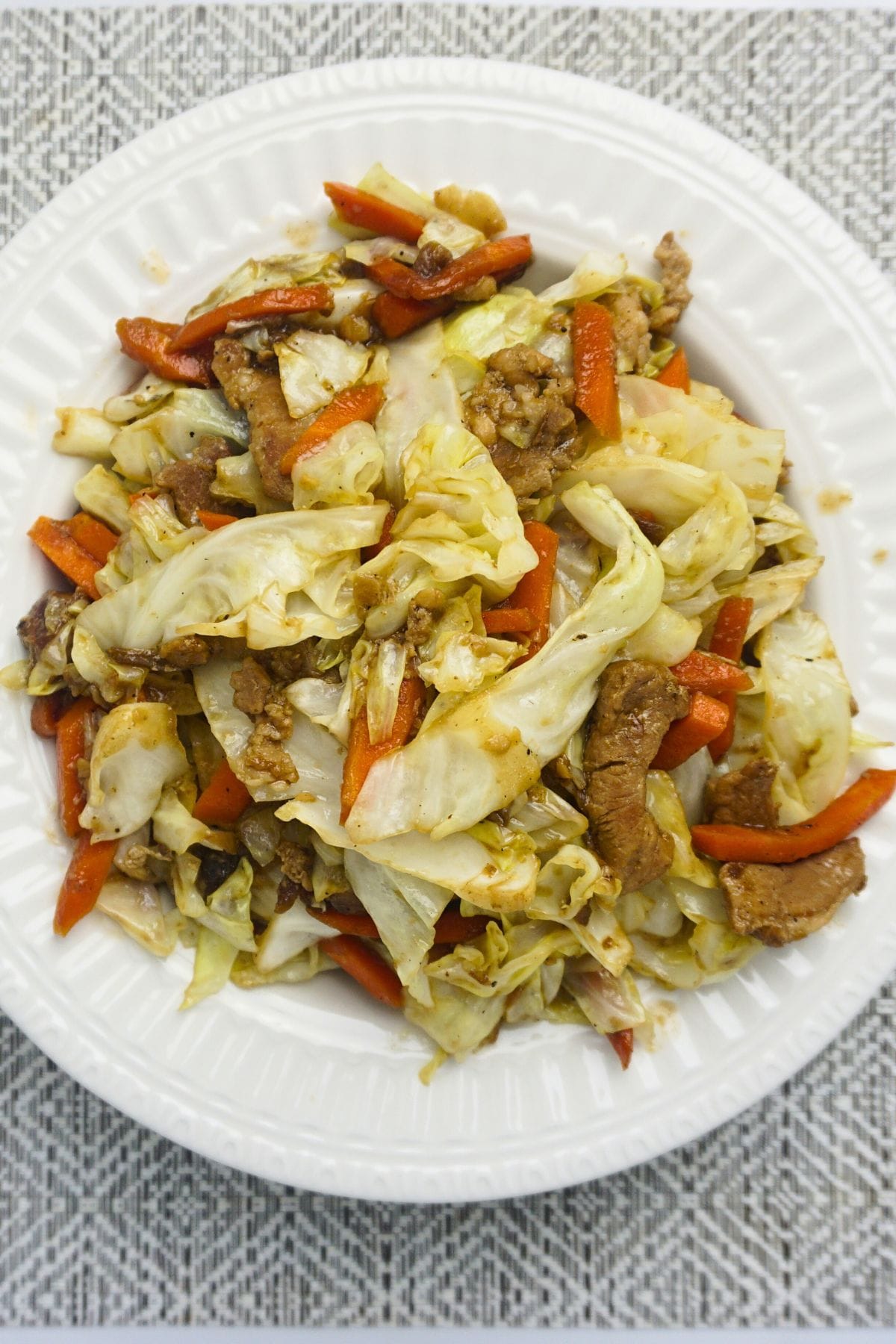
Sauteed Cabbage and Carrots Recipe
Sauteed cabbage and carrots is a straightforward side with tender cabbage and sweet, slightly crunchy carrots. The flavors are light and clean and the colors on the plate are cheerful. Kids often accept the sweetness of the carrots and the mildness of the cabbage, especially when the vegetables are cooked until soft. A quick sizzle of garlic makes the aroma irresistible. This recipe is fast, forgiving, and an easy way to add a healthy vegetable dish to any meal.
Helpful Cooking Tips
Keep vegetables kid friendly by focusing on texture and familiar flavors. Soften tougher veggies until they are easy to chew. Use eggs, coconut milk, or a bit of pork to add creaminess and savory notes that kids already like. Cut vegetables into fun shapes or small pieces so bites are manageable. Serve with rice or dipping sauces like ketchup or mild soy to encourage tasting. Taste and adjust seasoning during cooking and try mixing one new vegetable with a well liked one. Cooking smells matter. Start with aromatics like garlic and onion to make the kitchen irresistible.
Frequently Asked Questions
How do I make vegetables less bitter for kids?
Blanching, salting, or cooking longer can reduce bitterness. For leafy greens, briefly blanch in boiling water then shock in cold water to mellow flavor. For bitter vegetables like eggplant or certain varieties of squash, using a touch of sugar, coconut milk, or a little soy and vinegar can balance bitter notes. Combining bitter veggies with eggs or pork creates familiar textures and tastes that help kids accept the flavor more easily.
What are easy ways to sneak vegetables into meals without hiding them?
Blend veggies into sauces, add finely chopped pieces to omelettes, or mix vegetables into stir fries where their colors and textures complement meats kids already like. Use fun shapes or small cuts to make vegetables less intimidating. Pair veggies with dips or mild sauces so kids can choose how much they want. Introducing a new vegetable alongside a favorite side like rice or grilled chicken eases acceptance without pretending the veggies are something else.
How can I make these dishes less spicy for young children?
Many Filipino recipes include chilies or strong condiments but you can omit chilies and reduce fish sauce or bagoong. Use mild seasonings like light soy sauce and a little sugar to create balance. If a recipe calls for spicy elements, cook them separately and add only a small portion for adults. Always taste as you go and remember you can add bite sized heat later at the table for those who want it.
How do I store leftovers so vegetables stay tasty?
Cool cooked vegetables quickly and store in airtight containers in the refrigerator for two to three days. For saucy dishes like ginataang gulay or adobo, the sauce helps preserve texture and flavor. Reheat gently on the stove with a splash of water or a little oil to revive texture. Avoid microwaving too long which can make vegetables mushy. If you plan to freeze, slightly undercook vegetables first so they keep a better texture on reheating.
Are these vegetable recipes suitable for picky eaters with texture issues?
Yes. Many recipes here focus on soft, tender textures that work well for picky eaters. Tortang talong and ginisang upo become soft and almost creamy. Sauteed cabbage and carrots can be cooked until tender while chopsuey keeps vegetables slightly crunchy if preferred. Adjust cooking times to suit your child’s texture preferences and combine vegetables with eggs, coconut milk, or small pieces of meat to add familiar mouthfeel and make each bite more acceptable.
Final Thoughts
Getting kids to eat vegetables takes patience and tasty recipes. These ten Filipino dishes show how simple flavors and soft textures make vegetables easy to enjoy. Some recipes lean creamy, others are gently savory, and a few bring in meat for extra appeal. Try a couple in rotation and see what your kids reach for first. Keep small changes and positive mealtime vibes. Cooking these dishes at home fills the kitchen with smells that invite curiosity and often turns a vegetable into a favorite.
Related posts:
 Top 15 Classic Filipino Ulam Recipes You Need to Try
  10 Classic Pork Recipes That Never Fail
  Top Filipino Recipes to Impress Non-Filipinos
  Top 10 Filipino Dishes That Are Best Paired With Rice
  16 Rice Dishes That Prove Rice Goes with Everything
  10 Filipino Vegetable Dishes with Meat
  9 Must Try Filipino Bangus and Tilapia Recipes 10 Easy Filipino Pork Dishes You Can Cook Today